Rebuilding your health after a heart attack often starts in the kitchen. While medications and medical follow-up are essential, what you put on your plate plays a central role in recovery. One of the most immediate dietary shifts involves cutting back on sodium, which can raise blood pressure and force your heart to work harder.
Dietitians who specialize in cardiac care consistently point to a handful of low-sodium foods that deliver key nutrients without overloading the cardiovascular system. These six choices are nutrient-dense, widely available, and easy to incorporate into a post-heart-attack eating plan.
1. Oats and Whole Grains
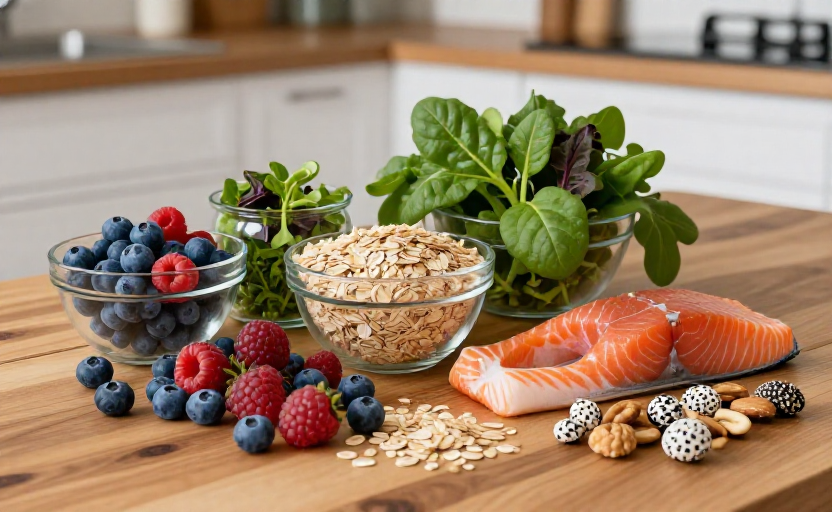
Unsweetened oats and intact whole grains such as quinoa, brown rice, and farro are naturally low in sodium — typically less than 5 milligrams per serving. They also provide soluble fiber, which can help lower LDL cholesterol, a long-term goal after a cardiac event.
Dietitians recommend starting with plain rolled oats or steel-cut oats, cooking them with water or unsweetened plant-based milk, and flavoring with cinnamon, fresh berries, or a small drizzle of honey. Pre-packaged instant oatmeal packets are often high in added salt and sugar, so they are best avoided unless labeled no-salt-added.
2. Leafy Greens and Cruciferous Vegetables
Vegetables like spinach, kale, Swiss chard, broccoli, and Brussels sprouts are naturally very low in sodium — around 20 to 30 milligrams per cup of raw leafy greens. They are packed with potassium, magnesium, and vitamin K, all of which support healthy blood pressure and vascular function.
Dietitians suggest steaming or sautéing these greens with garlic and a squeeze of lemon instead of adding salt. Canned vegetables, by contrast, can contain hundreds of milligrams of added sodium, so fresh or frozen options are the better choice for cardiac recovery.
3. Salmon and Other Fatty Fish
Fatty fish such as salmon, mackerel, sardines, and trout are naturally low in sodium — a 3-ounce serving of fresh salmon has roughly 50 milligrams of sodium. They are also among the richest dietary sources of omega-3 fatty acids (EPA and DHA), which have been shown to reduce inflammation, lower triglycerides, and stabilize heart rhythm after a heart attack.
Dietitians advise choosing fresh, frozen, or water-packed no-salt-added varieties. Canned or smoked fish can be extremely high in sodium — a single can of regular tuna can contain 300 milligrams or more. Grilling, baking, or poaching fish with herbs and citrus keeps the sodium low while preserving flavor.
4. Unsalted Nuts and Seeds
Almonds, walnuts, flaxseeds, chia seeds, and pumpkin seeds are naturally sodium-free and provide healthy unsaturated fats, fiber, and plant-based protein. Walnuts are especially well-studied for heart health, with research suggesting they can improve cholesterol profiles and reduce arterial inflammation.
Dietitians recommend a handful (about one ounce) of raw or dry-roasted unsalted nuts as a snack or a topping for oatmeal and salads. The key is to avoid the salted, honey-roasted, or heavily seasoned versions, which can pack 100 to 200 milligrams of sodium per serving.
5. Low-Fat Dairy or Unsweetened Plant-Based Milk
Plain low-fat yogurt, unsweetened almond milk, and low-fat cottage cheese can be excellent sources of calcium and vitamin D without excessive sodium — provided you choose the right products. A half-cup of plain low-fat yogurt typically contains around 60 milligrams of sodium, while some plant-based milks have as little as 30 to 40 milligrams per cup.
Dietitians caution that flavored yogurts and many cheese products are often high in added sodium and sugars. For recovery, plain Greek yogurt topped with fresh fruit is a solid, low-sodium breakfast or snack that also provides protein for tissue repair.
6. Berries and Citrus Fruits
Fresh or frozen berries (blueberries, strawberries, raspberries) and citrus fruits (oranges, grapefruits) are virtually sodium-free — less than 5 milligrams per serving. They are rich in antioxidants, vitamin C, and flavonoids that help reduce oxidative stress and improve blood vessel function.
Dietitians note that these fruits can satisfy a sweet craving without added sugar or salt. They work well in smoothies, on top of oatmeal, or simply eaten fresh. Dried fruits, however, can be concentrated sources of natural sugars and sometimes contain added sodium or sulfites, so fresh or frozen is generally preferred for cardiac recovery.
Quick tip: Most of the sodium in a typical diet comes from processed and packaged foods — not from the saltshaker. Reading nutrition labels and choosing foods labeled "no salt added" or "low sodium" (140 mg or less per serving) is a practical way to stay on track during recovery.