
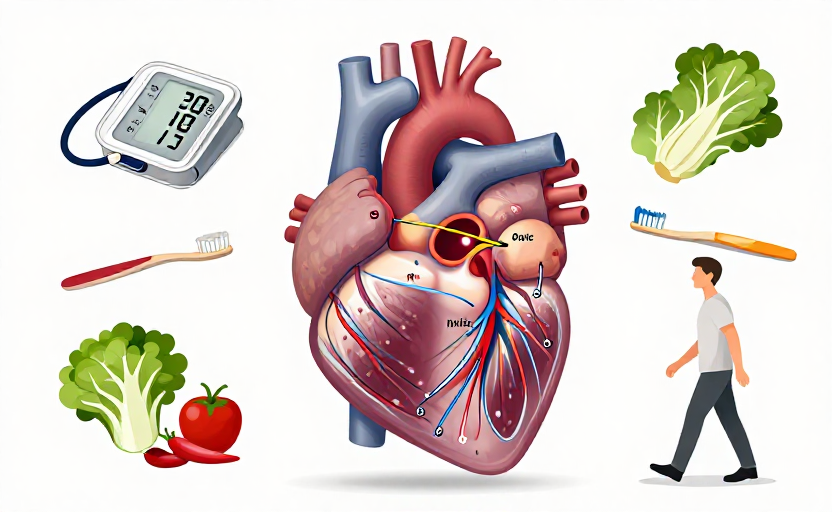
When we think about heart health, the focus often lands on arteries and cholesterol. But the heart’s four valves—tissue flaps that open and close with every beat—are just as vital. Over time, valves can thicken, leak, or stiffen, a process that often moves silently. The good news is that cardiology guidelines increasingly point to specific, everyday habits that can slow this wear and tear. Here are six evidence-based lifestyle changes to protect your heart valves, grounded in the latest clinical recommendations.
1. Keep blood pressure consistently in the healthy range
High blood pressure forces the heart to push harder against resistance. This extra workload strains the left ventricle and, over time, can distort the shape of the mitral and aortic valves enough to cause regurgitation—where blood leaks backward. The American College of Cardiology (ACC) and the American Heart Association (AHA) consider a reading below 120/80 mmHg as optimal. Protecting your valves means treating high blood pressure seriously, whether through diet, exercise, or medication as prescribed by your doctor.
2. Eat a diet that fights inflammation and calcification
One of the most common valve problems in older adults is aortic valve calcification—calcium deposits that stiffen the valve leaflets. A diet heavy in processed foods, refined sugar, and excess sodium fuels the low-grade inflammation that accelerates this process. Conversely, a Mediterranean-style eating pattern is associated with lower aortic valve calcium scores. Focus on leafy greens, colorful vegetables, fatty fish, nuts, and extra-virgin olive oil. Reducing phosphorus additives (found in dark sodas, processed meats, and some packaged snacks) may also help because high phosphorus levels promote vascular calcification.
3. Control blood sugar to prevent valve stiffening
Type 2 diabetes is a powerful risk factor for valvular heart disease. High blood glucose triggers something called advanced glycation end-products (AGEs), which cross-link collagen fibers in valve tissue, making them rigid. The ACC/AHA guidelines list diabetes as a major contributor to aortic stenosis progression. Keeping hemoglobin A1c below 7% (or a target your provider sets) through balanced meals, regular activity, and weight management is one of the most direct ways to preserve valve flexibility.
4. Exercise with a mix of cardio and light resistance
Regular aerobic exercise reduces systemic inflammation, lowers resting blood pressure, and helps maintain a healthy body weight—all of which take pressure off the valves. Surprisingly, heavy resistance training (think max-effort squats or bench presses) can momentarily spike blood pressure to very high levels, which may place abrupt stress on valve leaflets. The European Society of Cardiology recommends moderate aerobic activity (brisk walking, cycling, swimming) for at least 150 minutes weekly, with light resistance training two days per week. Avoid sustained heavy lifting and the Valsalva maneuver (holding your breath while straining).
Think of your heart valves like delicate door hinges. They work beautifully for decades if the structure around them stays stable and the pressure against them stays low.
5. Address gum health—it matters more than you think
Periodontal disease is not just a dental issue. The same bacteria that cause chronic gum inflammation can enter the bloodstream and colonize the endothelium of heart valves, especially in people with pre-existing valve damage or artificial valves. This increases the risk of infective endocarditis, a serious infection that can destroy valve tissue. The American Heart Association recommends excellent oral hygiene: brush twice daily, floss, and get regular dental check-ups. If you have known valve disease, your cardiologist may also advise antibiotics before certain dental procedures—always follow their specific plan.
6. Do not smoke—and avoid vaping
Smoking damages every part of the cardiovascular system, and the valves are no exception. Chemicals in tobacco smoke trigger oxidative stress and endothelial dysfunction, accelerating the calcification of the aortic valve. Even secondhand smoke increases the risk. Vaping is not a safe alternative; early research suggests e-cigarette vapor also promotes inflammation and may impair valve cell function. The evidence is strong enough that major cardiology societies include smoking cessation as a cornerstone of valvular disease prevention.
These six changes are not a checklist for perfection—they are cumulative. Small, consistent adjustments lower the cumulative burden on your heart valves over decades. Talk with your healthcare provider about which steps make sense for your current health status, especially if you have known valve disease or symptoms like shortness of breath, fatigue, or palpitations.