Back pain during pregnancy is remarkably common, but it is not something you simply have to endure. While your body is adapting to significant physical changes—shifting posture, loosening ligaments, and carrying extra weight—there are targeted lifestyle adjustments that can offer real relief. These six strategies come directly from physical therapists who specialize in prenatal care. They focus on what you can control: your daily movement, your sleep setup, and the small habits that protect your spine.
1. Optimize Your Sleep Setup
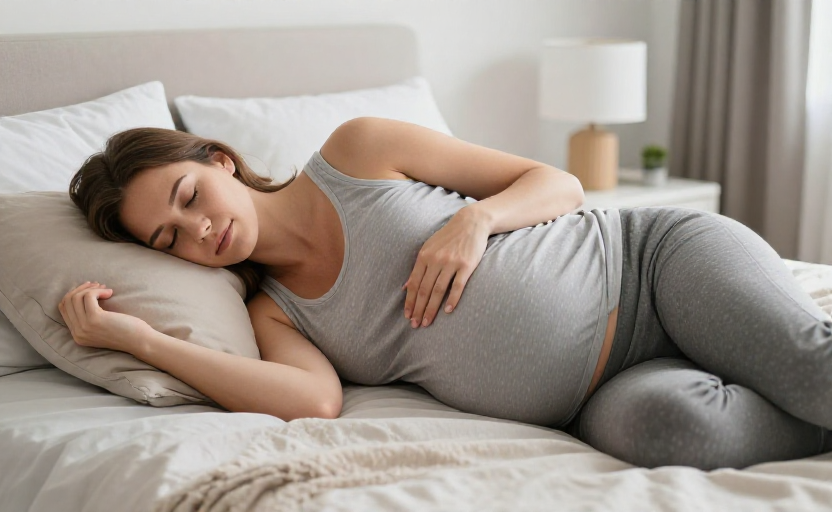
Pregnancy sleep is notoriously difficult, and back pain only makes it worse. The goal is to maintain neutral spinal alignment while accommodating your growing belly. Physical therapists consistently recommend sleeping on your side, ideally the left side to promote optimal blood flow. But the real game-changer is strategic support.
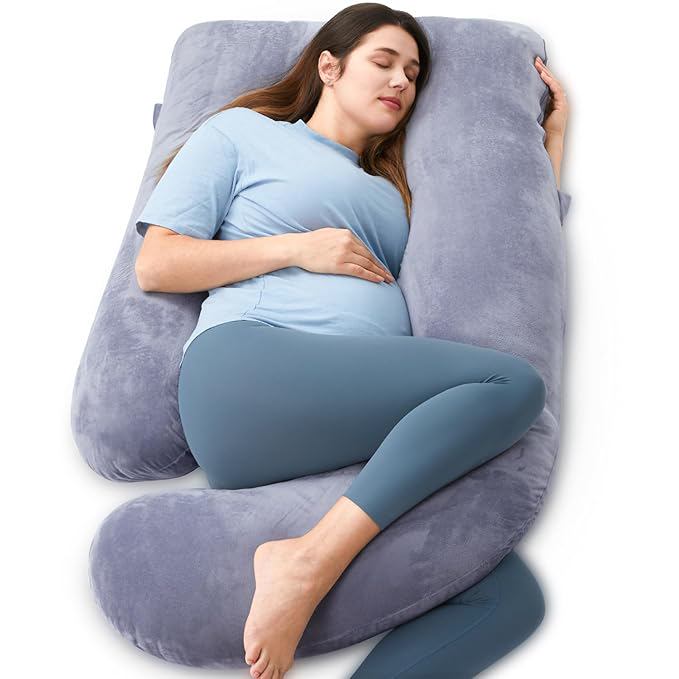
The pillow strategy matters. Place a firm pillow between your bent knees. This prevents your top leg from pulling your pelvis forward, which twists the lower back. Tuck a second, smaller pillow under your belly for lift, or use a full-length pregnancy pillow that supports both the belly and the back simultaneously. If you wake up sore, you may also need a thin pillow under your head rather than a thick one, as excessive neck elevation can pull on the upper back and shoulders.
Many physical therapists suggest a "side-lying with bent knees" position as the gold standard. If you naturally roll onto your back at night, place a pillow behind you to make it uncomfortable—this trains you to stay on your side without waking fully.
2. Rethink How You Stand and Sit
Your center of gravity shifts forward during pregnancy, which often leads to a deeper curve in the lower back. Over time, this puts strain on the facet joints and surrounding muscles. You can counteract this by making small, conscious adjustments to your posture throughout the day.
When standing, try a pelvic tilt ever so slightly: tuck your tailbone under, engage your lower abdominals, and imagine a string pulling you up from the crown of your head. This takes pressure off the lower back. When sitting, avoid chairs that are too soft or too deep. Place a small lumbar roll or rolled towel at the curve of your low back. Your knees should be at or slightly below hip level, with feet flat on the floor. Avoid crossing your legs, as it tilts the pelvis unevenly.
Set a timer for every 30 minutes to stand and walk for a minute or two. Prolonged sitting in any position—even a good one—will flare up back pain.
3. Change How You Lift and Bend
Lifting becomes a serious issue in the second and third trimesters. Your ligaments are more lax due to relaxin, making you more vulnerable to strains. Physical therapists emphasize one rule above all: never bend at the waist.
Instead, squat with your feet hip-width apart, keep the object close to your body, and use your leg muscles to stand. This applies to everything: picking up a toddler, lifting groceries, or even pulling laundry out of a front-loading washer. When picking something up from the floor, consider placing one hand on a sturdy surface for support. The same principle applies when getting out of bed: roll onto your side, drop your feet off the edge, and push up with your arms. Avoid the straight-leg sit-up motion, which torques the spine.
4. Wear Supportive Footwear
Your feet take on enormous pressure during pregnancy. Flatter shoes or unsupportive sandals can throw off your gait, causing your pelvis to tilt and your lower back to overcompensate. Physical therapists often recommend a shoe with a stable sole, a slight heel-to-toe drop, and good arch support—not necessarily a running shoe, but something that keeps your foot in a neutral position.
A good rule: if you can fold the shoe in half easily, it lacks sufficient support. Look for shoes that bend only at the toe but are stiff through the midfoot. Slip-on flats and flip-flops are often the worst offenders.
5. Use Heat and Gentle Movement Strategically
There is a common misconception that heat is unsafe during pregnancy. In reality, localized heat applied to the lower back or hips is considered safe by most obstetric guidelines. A heating pad, hot water bottle, or warm bath (not scalding) can relax tight muscles and improve blood flow. The key is to keep the heat on the lower back only, avoid the abdomen, and limit exposure to 15–20 minutes at a time.
Cold therapy also has a role. If you have acute muscle spasms or inflammation, a wrapped ice pack applied for 10–15 minutes can reduce swelling. Alternating heat and cold may offer the best outcome for some women.
Gentle movement such as walking, swimming, or prenatal yoga keeps the joints mobile and muscles warm. Avoid complete bed rest unless prescribed by a doctor. Movement lubricates the joints and prevents stiffness.
6. Adjust Your Daily Activities to Minimize Strain
Small chores and habits can become triggers if you are not mindful. Physical therapists suggest breaking down tasks into smaller segments. Instead of standing to fold an entire basket of laundry, sit on a chair or stool. When washing dishes, open the cabinet beneath the sink and place one foot on a small step stool or stack of books; this subtle hip flexion reduces the arch in your lower back.
Carrying a purse or diaper bag on one shoulder can create muscle imbalance. Switch sides regularly or use a backpack with two straps. When pushing a shopping cart or stroller, stand upright and pull your shoulders back—do not lean into the cart. When driving, slide your seat close enough that your knees are bent and you can easily reach the pedals without stretching your leg.
Pregnancy back pain is often manageable without medication. These six lifestyle changes—sleep support, posture awareness, safe lifting mechanics, proper footwear, targeted temperature therapy, and adjusted daily habits—form the foundation of a physical therapist's approach. If your pain persists, is sharp, or radiates down your leg, consult your healthcare provider or a pelvic floor physical therapist who can offer personalized guidance tailored to your pregnancy.