Managing high cholesterol often feels like a list of restrictions—cut this, avoid that. But what if the most powerful approach wasn't just about subtraction, but about addition? Nutritionists emphasize that strategically including certain foods can be a delicious and effective way to support healthier cholesterol levels. It’s about building a plate that works for you.
This isn't about miracle cures or drastic overhauls. It's about understanding how specific, everyday foods contain compounds that can gently nudge your lipid profile in a positive direction. Think of it as giving your body the right tools for the job.
How can food actually influence cholesterol?
To appreciate why these foods matter, it helps to know a bit about the cholesterol journey in your body. Dietary cholesterol from food is only part of the story. Your liver produces most of the cholesterol circulating in your bloodstream. The goal of a cholesterol-friendly diet is twofold: to reduce the amount of low-density lipoprotein (LDL, often called 'bad' cholesterol) and to support or increase high-density lipoprotein (HDL, the 'good' cholesterol that helps remove LDL).
Certain foods achieve this through different mechanisms. Some are rich in soluble fiber, which binds to cholesterol in the digestive system and ushers it out of the body before it can be absorbed. Others provide healthy fats that can directly improve your cholesterol ratio. Then there are foods packed with plant sterols and stanols, compounds that structurally resemble cholesterol and block its absorption.
The most sustainable approach is to weave these foods into your regular eating patterns, not just treat them as occasional supplements.
Foods nutritionists suggest including
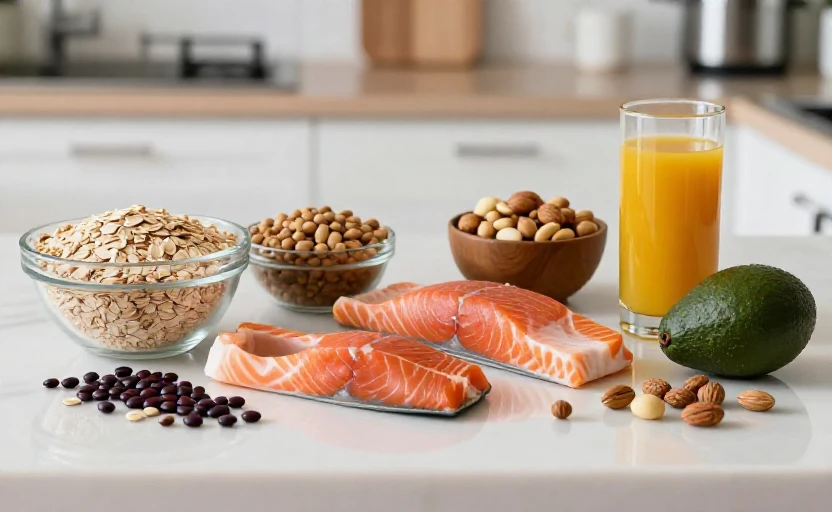
With that foundation, let's explore some of the top foods nutritionists consistently highlight for their cholesterol-supporting properties. The key is consistency and variety.
Oats and barley
This classic recommendation stands for good reason. Oats and barley are excellent sources of a type of soluble fiber called beta-glucan. This fiber forms a gel-like substance in your gut that interacts with bile acids, which are rich in cholesterol. The fiber helps carry these acids out of the body, prompting your liver to pull more cholesterol from the bloodstream to make new bile acids. Starting your day with a bowl of oatmeal is a simple, powerful habit.
Fatty fish
Salmon, mackerel, sardines, and albacore tuna are rich in omega-3 fatty acids. While omega-3s are famous for supporting heart health through reducing inflammation and triglycerides, they also play a role in raising HDL cholesterol. Aiming for two servings of fatty fish per week is a common guideline. For those who don't eat fish, other sources of omega-3s like walnuts and flaxseeds are beneficial, though their form is slightly different.
Legumes: Beans, lentils, and peas
An incredibly versatile and affordable group, legumes are packed with soluble fiber. A daily serving of beans, lentils, or chickpeas can make a measurable difference. They’re also a great source of plant-based protein, helping you feel full and satisfied, which can support overall healthy eating patterns. Try adding them to soups, salads, and grain bowls.
Nuts, especially almonds and walnuts
A small handful of nuts each day is linked to improved cholesterol levels. They contain monounsaturated and polyunsaturated fats, fiber, and plant sterols. Almonds and walnuts are particularly noted in research. The important caveat is portion size—a small handful (about 1 ounce) is sufficient, as nuts are calorie-dense. Think of them as a garnish or a snack, not a full bowl.
Foods fortified with plant sterols and stanols
These compounds, found naturally in small amounts in vegetables, fruits, nuts, and grains, are now added to certain foods like some margarine spreads, orange juices, and yogurts. They work by blocking the absorption of dietary cholesterol in the intestine. For them to be effective, you typically need to consume them with meals twice a day, as directed on the product label.
Avocados
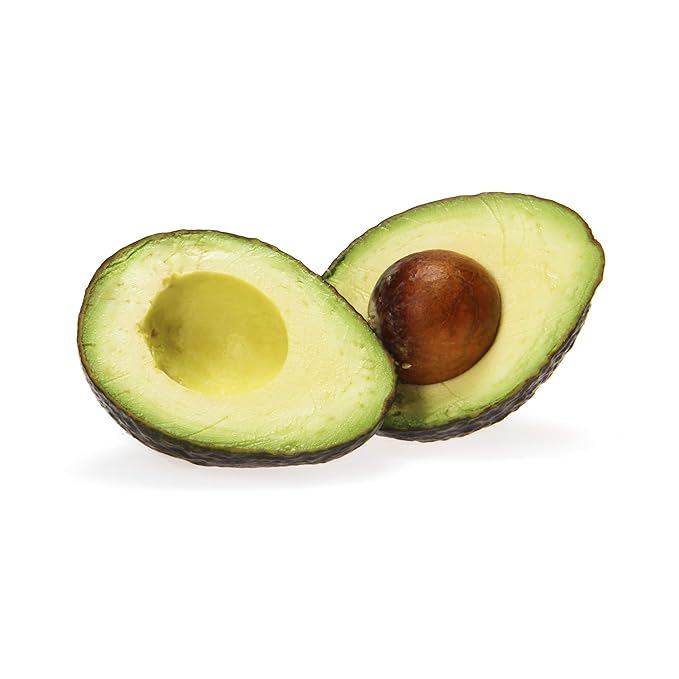
Avocados are a premier source of heart-healthy monounsaturated fats. Research suggests that eating one avocado daily as part of a moderate-fat diet can help lower LDL cholesterol, particularly the small, dense LDL particles considered most harmful. Their creamy texture also makes them a perfect substitute for less healthy fats like mayonnaise or butter on sandwiches and toast.
Putting it all together on your plate
Knowing which foods help is one thing; incorporating them seamlessly is another. The goal is to create meals that combine several of these elements. Instead of a plain chicken breast and rice, imagine a bowl with a base of barley, topped with salmon, a hearty scoop of lentil salad, and a side of steamed vegetables drizzled with olive oil. You’ve just integrated multiple cholesterol-supportive foods in one satisfying meal.
Small, consistent swaps add up. Use avocado instead of cheese on your sandwich. Sprinkle a handful of walnuts on your oatmeal. Choose a bean-based soup for lunch. These shifts, sustained over time, are what create meaningful change.
A note on the bigger picture
While these foods are powerful tools, they work best within an overall heart-healthy lifestyle. This includes regular physical activity, managing stress, avoiding trans fats and limiting saturated fats found in red meat and full-fat dairy, and not smoking. Always discuss significant dietary changes, especially if you have been diagnosed with high cholesterol, with your doctor or a registered dietitian. They can help you create a plan tailored to your individual health profile and needs.
Food is more than just fuel; it's information for your body. By choosing foods that send the right signals, you’re taking a proactive, positive step toward supporting your long-term heart health.