Hormonal contraception — whether it's the pill, patch, ring, or an IUD — is a reliable tool for millions of women. But one common side effect that often flies under the radar is fatigue. If you've been feeling unusually drained since starting a hormonal method, you're not imagining it. The synthetic hormones can affect nutrient levels, blood sugar regulation, and even your thyroid function, all of which play a role in how energetic you feel.
The good news is that what you eat can make a real difference. By choosing foods that support your body's altered needs, you can help counteract that sluggish feeling. Here are six specific foods to add to your plate when you want to keep your energy steady and your body well-nourished while on hormonal birth control.
Why hormonal birth control can drain your energy
Before we get to the foods, it helps to understand the 'why.' Estrogen and progestin in contraceptives can deplete key nutrients like magnesium, zinc, and B vitamins. They can also affect how your body handles blood sugar, leading to energy crashes. In some people, hormonal contraception lowers thyroid hormone availability, which can slow metabolism and cause fatigue. Eating with these known effects in mind allows you to proactively support your body.
1. Leafy greens for magnesium and folate
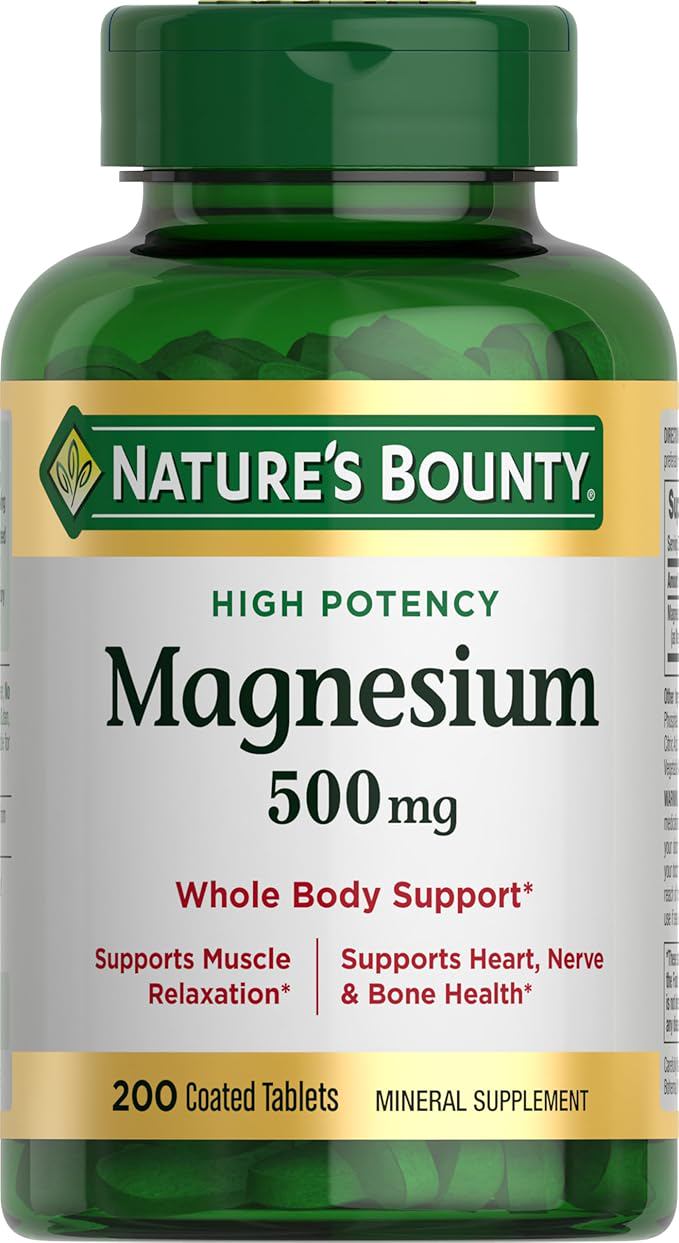
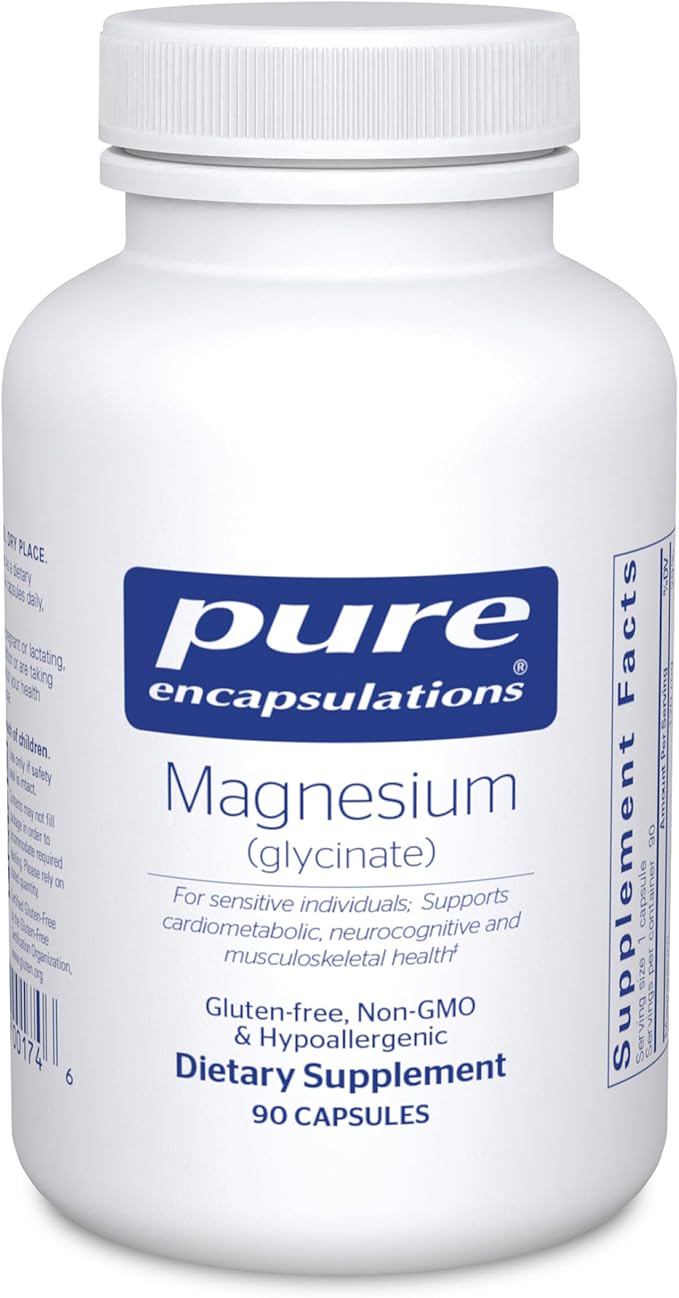
Magnesium is a powerhouse mineral that supports over 300 enzymatic reactions in the body, including those that help you make energy. Estrogen-containing birth control can lower your magnesium levels, making you feel more tired and achy. Spinach, Swiss chard, kale, and collard greens are excellent sources. They also provide folate — a B vitamin important for red blood cell production and nerve function, which can drop on hormonal contraceptives. Try adding a handful of spinach to your morning smoothie or using kale as a base for your lunch salad.
2. Salmon for omega-3s and vitamin D
Salmon is a fantastic ally for energy because it addresses two common shortfalls: omega-3 fatty acids and vitamin D. Omega-3s help reduce the inflammation that can be triggered by synthetic hormones, supporting overall well-being and cognitive function. Vitamin D is essential for energy metabolism and immune health, and studies show that hormonal contraceptive users often have lower levels. Fatty fish like salmon, mackerel, and sardines offer both. Pair a grilled salmon filet with roasted vegetables for a dinner that fuels your recovery and your energy for the next day.
3. Sweet potatoes for complex carbs and vitamin B6
Your body needs steady blood sugar to avoid energy crashes. Hormonal birth control can make you more sensitive to blood sugar swings. Sweet potatoes provide complex carbohydrates that break down slowly, delivering a steady stream of energy rather than a spike-and-crash cycle. They also pack a significant amount of vitamin B6, a nutrient that important for mood regulation and energy production. B6 levels can drop with oral contraceptive use, and low levels are linked to fatigue and irritability. Roasted sweet potato wedges make a great side dish or base for a grain bowl.
4. Pumpkin seeds for zinc and iron
Zinc is a mineral you need for cellular energy production, but it's one of the most commonly depleted nutrients among hormonal contraceptive users. A zinc deficiency can show up as fatigue, brain fog, and a lowered immune response. Pumpkin seeds are a concentrated source of zinc. They also contain iron, which is important if you have heavy bleeding during your withdrawal bleed or if your contraception affects your cycle. Snack on a handful of raw pumpkin seeds, or sprinkle them over oatmeal and salads for a subtle crunch and a nutrient boost.
5. Eggs for B12 and choline
Vitamin B12 is essential for forming red blood cells and keeping your nervous system working properly. Low B12 is a well-documented side effect of some hormonal contraceptives, and it can cause significant tiredness. Eggs, especially the yolks, are a top source of B12 as well as choline, a nutrient that supports brain function and energy at the cellular level. A couple of eggs at breakfast can help you feel more alert and focused throughout the morning. If you don't eat eggs, look for B12-fortified plant milks and nutritional yeast.
6. Berries for antioxidants and steady energy
Oxidative stress can increase when you are on hormonal contraception, leading to cellular wear and tear that drains your vitality. Berries — blueberries, strawberries, raspberries, and blackberries — are packed with antioxidants like vitamin C and anthocyanins that fight this stress. They also have a low glycemic impact, which means they won't cause the blood sugar spikes that lead to mid-afternoon crashes. Frozen berries are just as nutritious as fresh. Toss them into yogurt, oats, or a post-workout smoothie for a quick energy lift without overloading your system with sugar.
Quick tip: Pair these foods with consistent meals. Eating at regular intervals helps keep your blood sugar stable, which is especially important when you're on hormonal birth control.
What about caffeine?
You might be tempted to reach for more coffee or energy drinks when fatigue hits. However, estrogen from contraceptives can slow down how quickly your body breaks down caffeine, meaning one cup can linger in your system longer and disrupt your sleep. If you drink caffeine, try to stick to one serving before noon, and see how your sleep quality improves over time. Your energy depends just as much on restful sleep as it does on the food you eat.
Putting it all together
You can absolutely feel more energetic while using hormonal contraception. It's about matching your nutrition to your body's changed needs. Focus on foods that replenish the nutrients hormonal contraceptives tend to lower: magnesium, B vitamins (especially B6, B12, and folate), zinc, vitamin D, and omega-3s. Build your meals around these targeted ingredients, and you'll likely notice a real difference in your steady, daily energy levels.