Living with hypothyroidism often means navigating a tricky relationship with food. Your thyroid medication works best when taken on an empty stomach, and many common nutrient-rich foods—like kale, broccoli, or high-fiber grains—can interfere with absorption if eaten too soon. Meanwhile, the condition itself can leave you feeling sluggish, flat, or low. The goal is not to add another list of restrictions but to find foods that actively support both your thyroid function and your mood, while respecting the timing of your medication.
Below are six foods that research and clinical experience suggest can help steady your energy and emotional balance when you have hypothyroidism. They are chosen because they offer key nutrients for thyroid health, support neurotransmitter production, and are usually gentle on the digestive system. As always, check with your healthcare provider before making significant dietary changes, especially if you take levothyroxine or another thyroid medication.
1. Brazil Nuts: Selenium for Thyroid Conversion
Your thyroid gland contains the highest concentration of selenium of any organ in your body. This mineral is crucial for converting the less active thyroid hormone (T4) into the active form (T3) that your cells actually use. Low selenium has been linked to fatigue, brain fog, and a higher risk of autoimmune thyroid conditions.
Brazil nuts are the richest natural source: just one or two nuts a day provides the recommended amount. Keep a small jar in your pantry and eat them as a mid-morning snack, at least two to three hours after your thyroid medication. Eating more than four or five a day regularly can lead to selenium toxicity, so stick to a modest handful.
2. Fatty Fish: Omega-3s for Brain and Mood
Salmon, sardines, mackerel, and trout deliver eicosapentaenoic acid (EPA) and docosahexaenoic acid (DHA), two omega-3 fats that lower inflammation and support the structure of brain cell membranes. In hypothyroidism, inflammation can worsen fatigue, depression, and joint discomfort. Omega-3s also help the brain produce serotonin and dopamine, the neurotransmitters that regulate mood.
Try to include fatty fish twice a week. If you are vegetarian or dislike fish, consider an algae-based DHA supplement (again, talk to your doctor first). Pair your fish with a side of roasted sweet potatoes or steamed green beans for a balanced plate that does not interfere with medication timing.
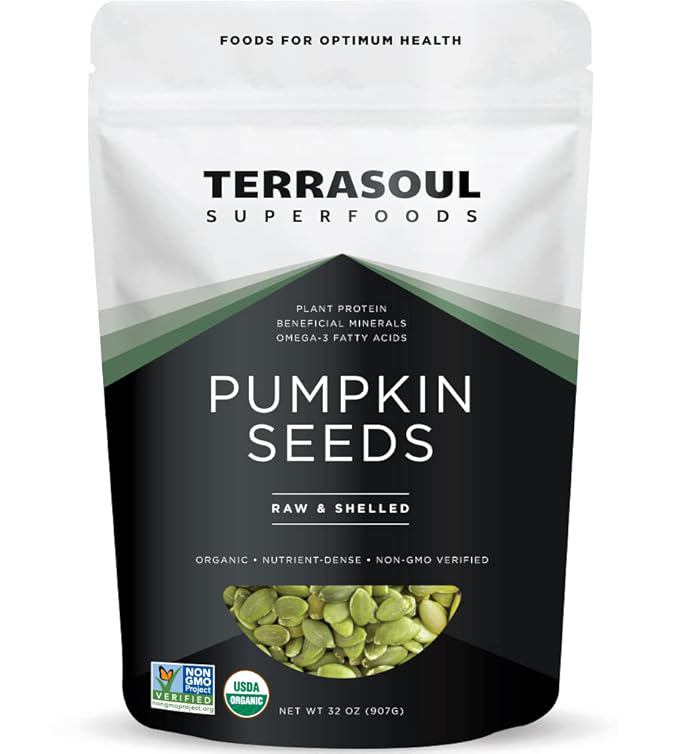
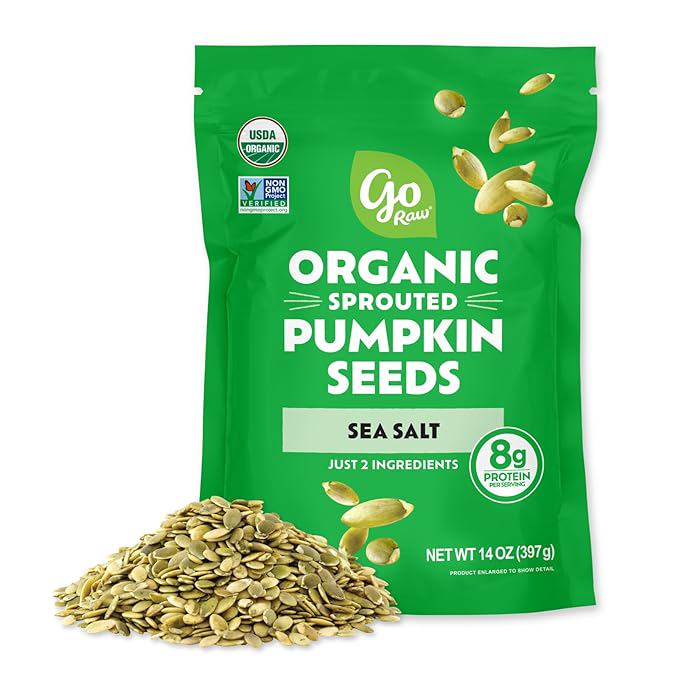
3. Pumpkin Seeds: Zinc and Magnesium
Zinc is essential for thyroid hormone synthesis, and magnesium helps calm the nervous system and improve sleep—both often disrupted in hypothyroidism. Pumpkin seeds are a convenient source of both minerals. A quarter-cup serving provides nearly 30% of your daily magnesium needs and a meaningful amount of zinc.
Add them to a salad, oatmeal, or eat them plain as a snack. Because they are relatively low in fiber compared to beans and whole grains, they are less likely to affect medication absorption if you have them near your dosing window. Still, keep a one-hour window before and after your medication for best results.
4. Lentils: Steady Blood Sugar and Iron
Hypothyroidism can slow down your metabolism and make blood sugar regulation less efficient. Dips and spikes in blood sugar can trigger irritability, anxiety, and fatigue. Lentils provide slowly digested carbohydrates and protein, which help keep your energy level stable throughout the day. They are also an excellent plant-based source of iron, and iron deficiency is common in hypothyroidism—especially in women with heavy menstrual cycles. Low iron worsens fatigue and brain fog.
Cook up a batch of red or brown lentils and add them to soups, stews, or grain bowls. Because they are high in fiber, consume them at least three to four hours apart from your thyroid medication. Their gentle fiber content is usually well-tolerated and may actually help with the constipation that sometimes accompanies hypothyroidism.
Tip: Combining lentils with a splash of lemon juice or a food rich in vitamin C—like bell peppers or tomatoes—helps your body absorb the iron more effectively.
5. Yogurt (or Dairy-Free Alternatives): Tyrosine and Gut Support
Tyrosine is an amino acid that your thyroid gland uses to produce T4 and T3 hormones. It is also a precursor for dopamine and norepinephrine, two neurotransmitters that influence motivation and positive mood. Yogurt is a natural source of tyrosine, and the probiotics in fermented dairy can support a healthy gut microbiome. Gut health is increasingly recognized as a player in both thyroid autoimmunity and mental well-being.
If you are dairy-sensitive or follow a vegan diet, look for unsweetened coconut or almond-based yogurt fortified with live cultures. Avoid large amounts of dairy immediately around your medication—calcium can bind with levothyroxine and reduce absorption. Enjoy your yogurt as a snack several hours before or after your dose.
6. Blueberries: Antioxidants for Thyroid Protection
Oxidative stress is a known factor in the development and progression of Hashimoto's thyroiditis, the most common cause of hypothyroidism in areas with adequate iodine. Blueberries are packed with anthocyanins—antioxidants that help neutralize free radicals and may reduce thyroid antibodies. Lower antibody levels are associated with improved energy and mood.
Frozen blueberries are just as nutritious as fresh and can be added to smoothies, oatmeal, or plain yogurt. They are low in goitrogens (compounds that can interfere with thyroid function in very large amounts), so you do not need to worry about cooking them. A half-cup a day is a simple, delicious way to support your thyroid and your mood.
Putting it together: The key is not to overhaul your entire diet overnight. Start by adding one or two of these foods into your routine each week, paying attention to how you feel and keeping a consistent gap between food and medication. A steady intake of selenium, zinc, omega-3s, magnesium, and antioxidants can help your thyroid medication work more efficiently and give your brain the raw materials it needs for stable mood and energy.
Remember: Everyone's thyroid function and medication needs are different. Work with your endocrinologist or a registered dietitian who understands thyroid health to tailor these suggestions to your specific lab results and symptoms.