
Scrolling through social media can be a rollercoaster. One moment you’re laughing at a meme, the next you’re comparing your life to a highlight reel, feeling a familiar knot of anxiety tighten in your stomach. While logging off is the ultimate advice, what you log into your body can also play a surprisingly direct role in how you weather those digital storms.
Nutrition isn’t a cure for anxiety, but it is a foundational tool. Certain foods can amplify feelings of jitteriness and dread, while others provide the steady, calming nutrients your brain needs to maintain equilibrium. We spoke with dietitians to cut through the noise and identify specific foods to embrace and others to approach with caution when social media starts to feel overwhelming.
How Food Influences Social Media Anxiety
Think of your brain as the most demanding organ in your body. It requires a constant, high-quality supply of nutrients to produce neurotransmitters—the chemical messengers that regulate mood, focus, and stress response. When you’re scrolling, your brain is processing a flood of social and emotional information. Fuel it with unstable energy sources, and you’re asking it to do that high-wire act on a shaky foundation.
“The connection between diet and anxiety is very real,” explains a registered dietitian. “Blood sugar spikes and crashes from sugary foods can mimic or exacerbate feelings of anxiety—heart palpitations, shakiness, irritability. Conversely, foods rich in magnesium, omega-3s, and certain B vitamins support the nervous system and can promote a more resilient calm.” Social media already puts your nervous system on alert; your diet can either turn up the volume or help dial it down.
Foods to Embrace for a Calmer Mind
These are the supportive players, the foods that build a nutritional buffer against stress.
Fatty Fish (like Salmon and Sardines)
These are powerhouses for omega-3 fatty acids, specifically EPA and DHA, which are crucial for brain health. Studies suggest omega-3s can help reduce inflammation in the brain and may lower symptoms of anxiety. They help build the structure of brain cells, facilitating better communication. Aiming for two servings a week can make a tangible difference in providing your brain with the building blocks for calm.
Leafy Greens (Spinach, Kale, Swiss Chard)
Packed with magnesium, a mineral that acts as a natural relaxant for the nervous system. Magnesium helps regulate the body’s stress-response system. When you’re deficient, you may feel more on edge. A simple side salad or a handful of greens blended into a smoothie is an easy way to boost your intake and support your body’s innate calming mechanisms.
Complex Carbohydrates (Oats, Quinoa, Sweet Potatoes)
Unlike their refined cousins, complex carbs are digested slowly, providing a steady stream of glucose to the brain. This helps maintain stable blood sugar levels, preventing the jittery crashes that can heighten anxiety. They also aid in the production of serotonin, a neurotransmitter that promotes feelings of well-being and calm. A bowl of oatmeal in the morning can set a steadier tone for the day ahead.
Think of food as foundational support for your nervous system, not a quick fix. Consistency matters more than any single meal.
Fermented Foods (Yogurt, Kefir, Kimchi)
The gut-brain axis is a well-established pathway of communication. The beneficial bacteria (probiotics) in fermented foods help maintain a healthy gut microbiome, which in turn can positively influence brain function and emotional regulation. Emerging research points to a link between gut health and anxiety levels. Including a daily serving supports this internal ecosystem.
Dark Chocolate (70% Cacao or Higher)
In moderation, dark chocolate can be a helpful ally. It contains flavonoids, which are antioxidants that may improve blood flow to the brain and have mild anti-anxiety effects. It also contains magnesium. The key is to choose a variety with high cacao content and low sugar to avoid the blood sugar rollercoaster. A square or two can be a mindful treat.
Herbal Teas (Chamomile, Lemon Balm, Peppermint)
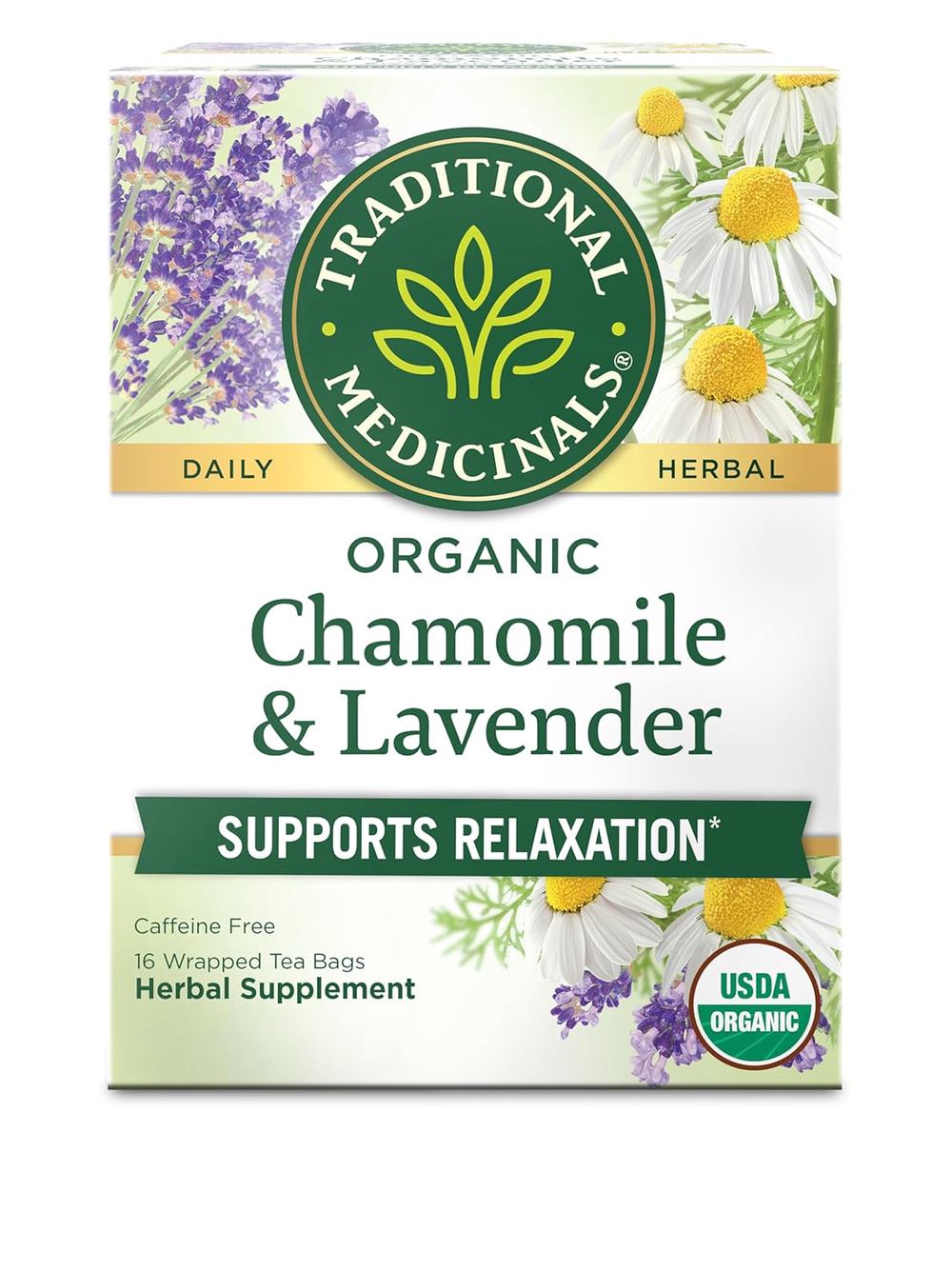
The ritual of making a warm cup of tea can itself be a calming pause in your scroll. Chamomile and lemon balm, in particular, have been studied for their gentle anxiety-reducing properties. They contain compounds that may promote relaxation without drowsiness. Swapping an afternoon coffee for a herbal tea can reduce caffeine intake while introducing a soothing habit.
Foods to Consume with Caution
These aren’t foods you must never eat, but being mindful of their impact can help you make choices that don’t inadvertently fuel anxiety.
High-Sugar Snacks and Drinks
Pastries, candy, soda, and even many flavored coffees cause a rapid spike in blood sugar, followed by a sharp crash. This crash can trigger the physical symptoms of anxiety—sweating, trembling, racing heart—making you feel worse. The temporary “high” is never worth the subsequent low, especially when you’re already feeling digitally frayed.
Refined Carbohydrates (White Bread, Pastries, Chips)
Like sugary foods, these are quickly broken down into sugar, leading to the same unstable blood sugar cycle. They offer little nutritional value to support brain health and can leave you feeling sluggish and irritable, compounding the negative feelings social media might stir up.
Excessive Caffeine
That third cup of coffee or large energy drink can be a direct anxiety trigger. Caffeine stimulates the release of adrenaline, the “fight-or-flight” hormone. This can magnify feelings of nervousness, restlessness, and even provoke panic attacks in sensitive individuals. If you’re feeling anxious, consider cutting back or switching to decaf after your first morning cup.
Alcohol
While it may seem to relax you initially, alcohol is a depressant that disrupts sleep architecture and depletes neurotransmitters like serotonin. Poor sleep and neurotransmitter imbalance are major contributors to anxiety. The rebound effect after drinking can significantly increase anxiety levels the next day, a phenomenon often called “hangxiety.”
Heavily Processed “Diet” or “Low-Fat” Foods
Many of these products replace fat with sugar, artificial sweeteners, or additives to improve taste. Some artificial sweeteners may disrupt gut bacteria, and the overall lack of wholesome nutrients means they do little to support your brain’s need for stable, high-quality fuel. They’re often a nutritional dead end.
High-Sodium Processed Foods
Frozen meals, canned soups, and salty snacks can cause dehydration and bloating, which can make you feel physically uncomfortable and agitated. This physical discomfort can easily be misinterpreted by an already anxious mind as a sign of emotional distress, creating a feedback loop.
Building an Anxiety-Supportive Eating Pattern
The goal isn’t perfection or restriction, but mindful balance. Start by focusing on what you can add in: a serving of vegetables, a handful of nuts, a switch to whole grains. Regular meals and snacks prevent blood sugar dips. Stay hydrated—even mild dehydration can affect mood.
Most importantly, view your food choices as one part of a broader strategy for digital well-being, which should also include setting time limits, curating your feed, and engaging in offline activities that bring you joy. Nourish your body with intention, and you give your mind a better foundation from which to navigate the digital world.