If you live with endometriosis, you know how much diet can influence how you feel day to day. While food isn't a cure, certain choices may help calm inflammation, ease bloating, and reduce pain. Others can trigger flares. Here is a practical guide to six foods that may support symptom relief and two that are worth limiting or avoiding.
Why diet matters for endometriosis
Endometriosis is an inflammatory condition where tissue similar to the uterine lining grows outside the uterus. This can cause chronic pelvic pain, heavy periods, fatigue, and digestive issues. What you eat can either fuel that inflammation or help counter it. Research suggests that a diet rich in anti-inflammatory foods, fiber, and certain micronutrients may help manage symptoms. Conversely, foods that promote inflammation or spike estrogen levels can worsen discomfort.
Six foods to eat for symptom relief
1. Leafy greens and cruciferous vegetables
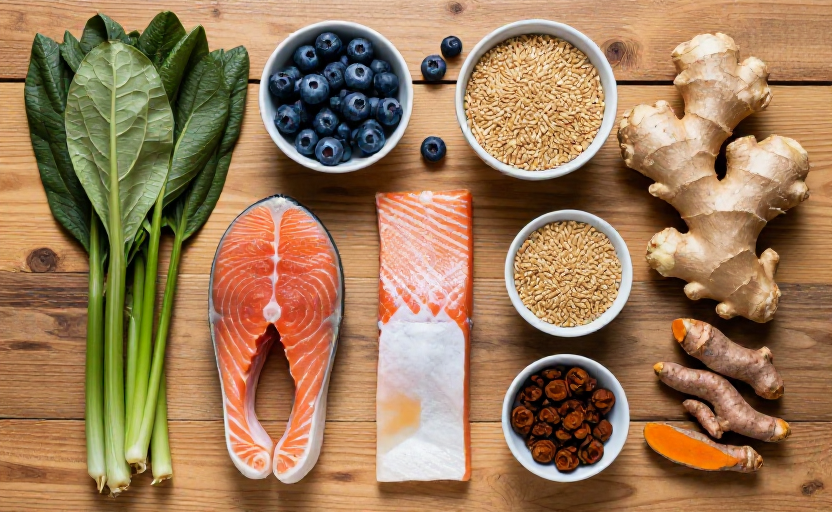
Spinach, kale, broccoli, cauliflower, and Brussels sprouts are packed with fiber, vitamins, and compounds that support liver detoxification. The liver helps process and eliminate excess estrogen, which is often elevated in endometriosis. Aim for at least two servings of these vegetables daily. A simple dinner side of steamed broccoli or a lunch salad with mixed greens can make a difference.
2. Fatty fish
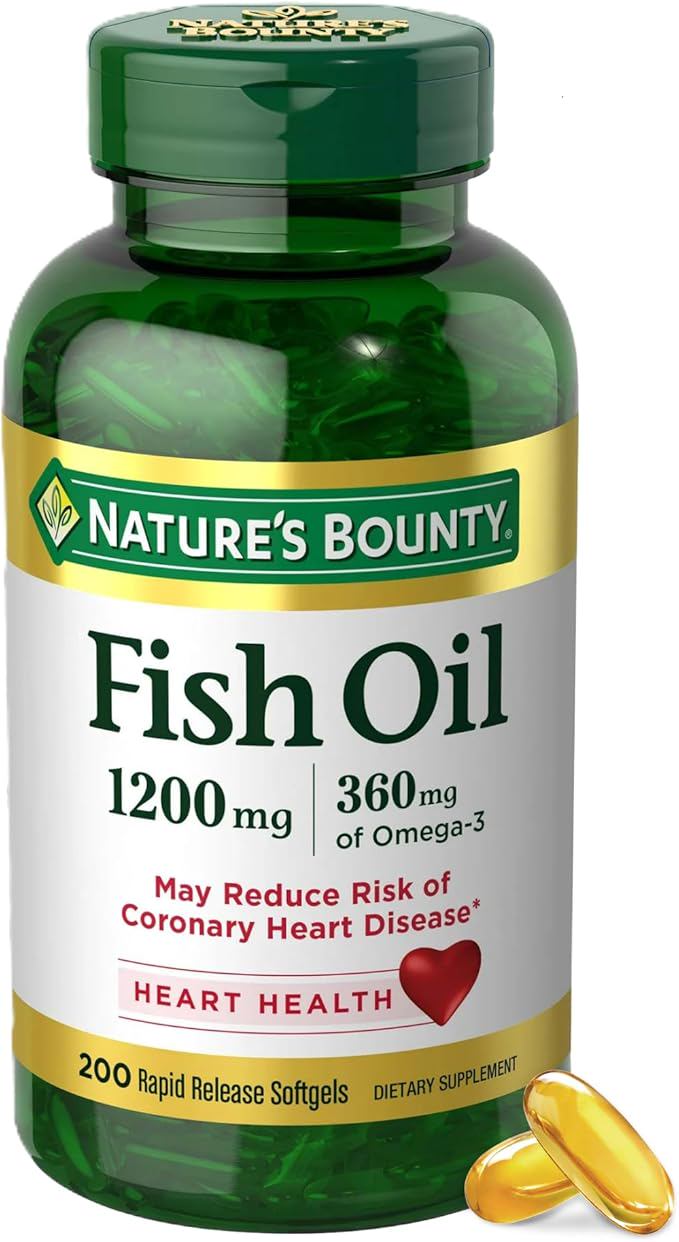
Salmon, mackerel, sardines, and trout are rich in omega-3 fatty acids, which have strong anti-inflammatory properties. Omega-3s may reduce the production of inflammatory molecules linked to endometriosis pain. The American Heart Association recommends two servings of fatty fish per week. If you don't eat fish, a high-quality algae-based omega-3 supplement is an alternative, but talk to your healthcare provider first.
3. Berries and citrus fruits
Blueberries, strawberries, raspberries, oranges, and grapefruits are loaded with antioxidants like vitamin C and flavonoids. These compounds fight oxidative stress, which is elevated in endometriosis. Eating a handful of berries with breakfast or adding citrus slices to water are easy ways to get more antioxidants into your day.
4. Whole grains
Oats, quinoa, brown rice, and barley provide soluble fiber that helps your body eliminate excess estrogen through bowel movements. Fiber also supports gut health, which is often compromised in endometriosis. Swap refined white bread and pasta for whole-grain versions to increase fiber intake without much effort.
5. Ginger and turmeric
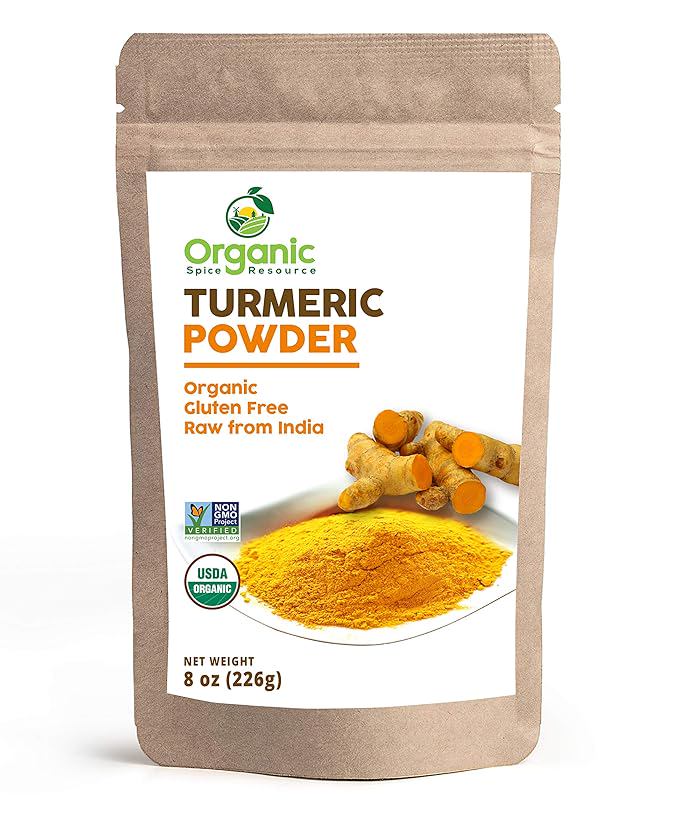
Both ginger and turmeric contain bioactive compounds (gingerol and curcumin, respectively) that reduce inflammation. Some studies suggest ginger may be as effective as ibuprofen for period pain. Turmeric's curcumin has been shown to inhibit inflammatory pathways. You can grate fresh ginger into tea, stir-fries, or soups, and add turmeric to curries, smoothies, or warm milk. A pinch of black pepper helps your body absorb turmeric better.
6. Legumes
Lentils, chickpeas, black beans, and kidney beans are excellent sources of plant-based protein and fiber. They help stabilize blood sugar and support hormone balance. High-fiber legume intake is associated with lower estrogen levels. Add them to salads, soups, or make a simple bean dip for a nourishing snack.
Quick tip: If legumes cause bloating for you, start with small portions (¼ cup cooked) and soak dried beans overnight before cooking to reduce gas-producing compounds.
Two foods to avoid or limit
1. Processed and red meats
Bacon, sausages, deli meats, and fatty cuts of beef and pork are high in pro-inflammatory saturated fats and advanced glycation end products (AGEs). Some research links high red meat intake with a greater risk of endometriosis. These foods can also increase estrogen activity in the body. Choose lean poultry, fish, or plant-based proteins instead.
2. Refined sugars and high-glycemic carbohydrates
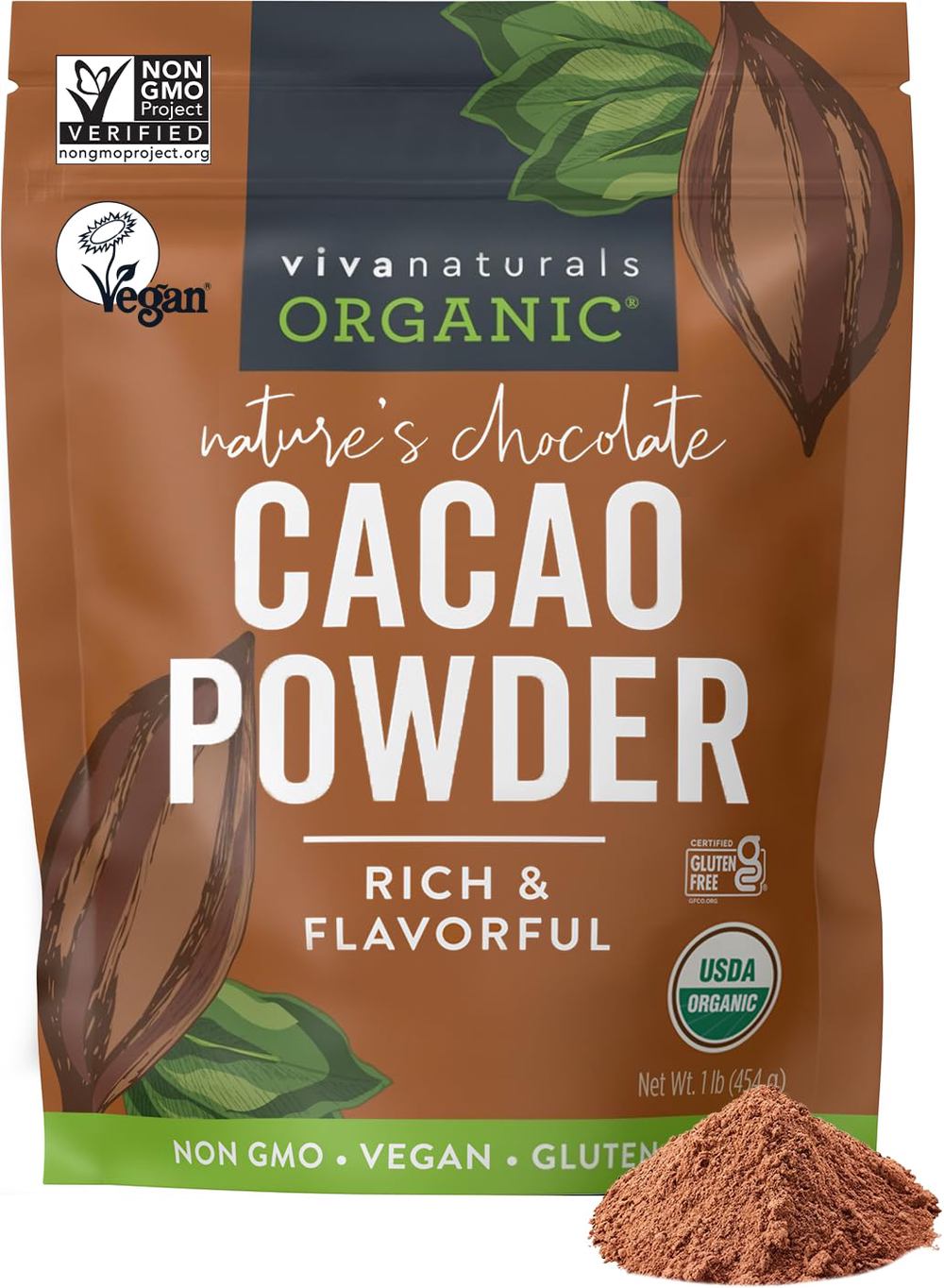
Sugary drinks, white bread, pastries, and candy cause rapid spikes in blood sugar and insulin. This promotes inflammation and can worsen pain and fatigue. A 2017 study found that a high-glycemic diet was associated with more severe endometriosis symptoms. If you have a sweet tooth, try fresh fruit, a small square of dark chocolate (70% cocoa or higher), or dates as alternatives.
Putting it all together
Diet is one tool in your endometriosis management toolkit. Start by adding a few of the anti-inflammatory foods above and swapping out the two you're most likely eating regularly. Small, consistent changes over time often yield the most noticeable relief. Keep a simple symptom diary to see how specific foods affect your pain, bloating, and energy levels. And always work with your doctor or a registered dietitian before making major dietary changes, especially if you have other health conditions or take medications.