If you take thyroid medication, timing and consistency are just as important as the dose itself. You might already know to take your pill on an empty stomach first thing in the morning. But what you eat — and when you eat it — can quietly undermine your treatment. Levothyroxine and other thyroid hormone replacements are sensitive to certain foods and nutrients that block absorption, reduce efficacy, or interfere with how your body uses the medication.
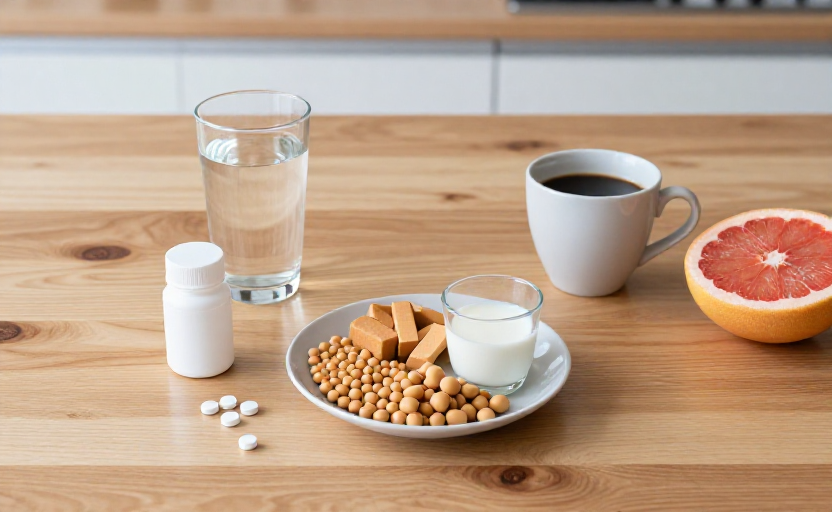
Endocrinologists point to six common dietary culprits that can interfere with thyroid medication. Avoiding them around your dose isn't about cutting them out forever — it's about timing and spacing. Here's what you need to know.
Why food matters with thyroid medication
Thyroid hormone replacement, especially levothyroxine, is absorbed primarily in the small intestine. Many foods and supplements bind to the medication in the digestive tract, making it unavailable for absorption. If you eat these foods too close to your dose, you may effectively take a fraction of what you need — leading to persistent symptoms like fatigue, weight gain, brain fog, and elevated TSH levels on lab work.
The general rule from most endocrinologists: take your medication on an empty stomach with plain water, and wait at least 30 to 60 minutes before eating. But some foods require a longer buffer, typically three to four hours.
High-fiber foods and whole grains
Fiber is excellent for overall health, but large amounts of dietary fiber — especially from bran, whole-wheat bread, oats, and high-fiber cereals — can bind to levothyroxine and reduce absorption. This doesn't mean you need to give up fiber. It means you should avoid high-fiber meals for at least three to four hours after your dose.
A 2016 study published in the journal Thyroid found that a high-fiber breakfast significantly reduced levothyroxine absorption in some patients. The effect can be inconsistent, which is part of the risk. If you eat a high-fiber breakfast one day and skip it the next, your absorption varies, and your TSH can swing unpredictably.
Practical tip: If you take thyroid medication in the morning and eat oatmeal or bran cereal for breakfast, shift your meal to at least three hours after your pill. Alternatively, some people find it easier to take their medication at bedtime — but only if they've fasted for two to three hours beforehand.
Iron and calcium supplements
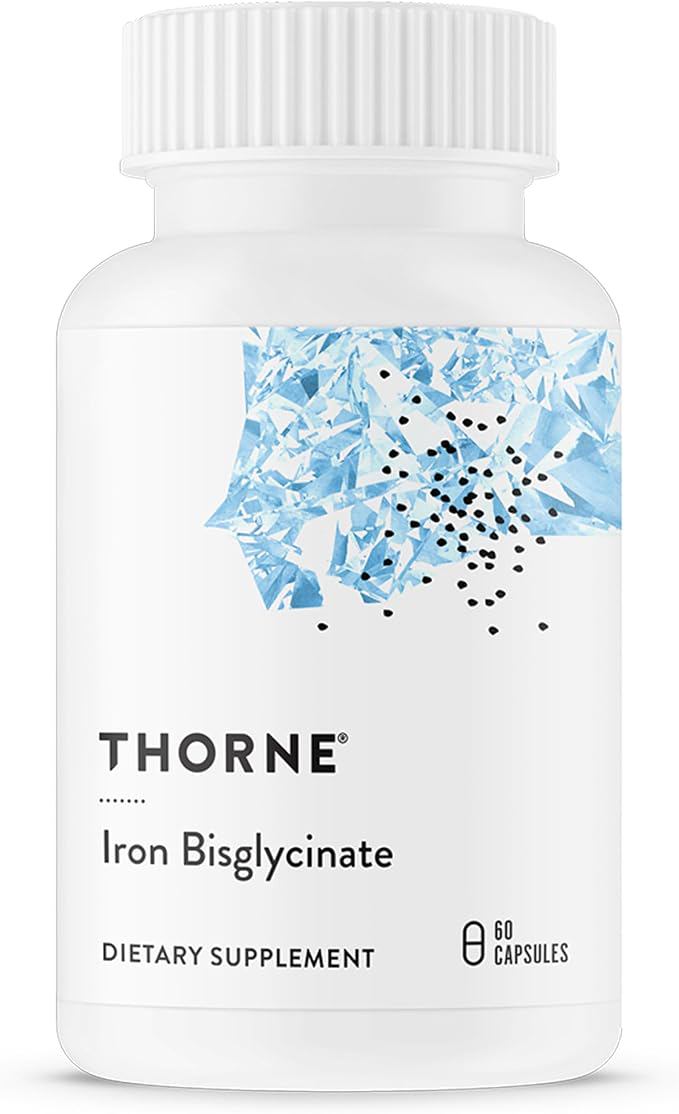
This is one of the most common interactions. Iron supplements (ferrous sulfate, ferrous gluconate) and calcium supplements (calcium carbonate, calcium citrate) can both significantly reduce levothyroxine absorption. Many people take these for anemia, bone health, or pregnancy, often without realizing the conflict.
Endocrinologists recommend separating thyroid medication from iron or calcium supplements by at least four hours. This isn't just about pills — calcium-fortified foods like orange juice, certain plant milks, and cereals can also have an effect. A single glass of calcium-fortified OJ taken with your dose can cut absorption by up to 35%.
Iron from natural food sources like spinach or red meat is less concentrated than supplements, but if you're eating a very iron-rich meal close to your dose, it may still cause a problem.
Coffee and espresso
That morning cup of coffee may be interfering more than you realize. Coffee — including caffeinated and decaf versions — has been shown to reduce levothyroxine absorption by as much as 50% in some individuals. The exact mechanism isn't fully understood, but it appears that compounds in coffee interfere with the medication's dissolution and uptake.
A 2008 study in Thyroid found that patients who took their levothyroxine with coffee had significantly higher TSH levels than those who took it with water. The effect can be inconsistent, which makes it even more frustrating — some days your absorption is fine, other days it's poor.
If you can't give up your morning coffee, wait at least 60 minutes after your medication. Some endocrinologists recommend going longer — up to 90 minutes — for stronger brews or espresso.
High-calcium foods (dairy and leafy greens)
Dairy products like milk, yogurt, and cheese are rich in calcium, which can bind to levothyroxine in the gut. Even moderate amounts can reduce absorption. A glass of milk consumed with your medication can lower bioavailability by roughly 20 to 30 percent.
Leafy greens like kale, collard greens, and spinach also contain calcium, though the effect is less pronounced than with dairy. This doesn't mean you need to avoid calcium-rich foods entirely — just don't consume them within three to four hours of your dose.
Practical tip: If you take your medication at 7 a.m., wait until at least 10 a.m. for your latte, yogurt, or green smoothie. This simple change can make a meaningful difference in your thyroid labs over time.
Soy and soy-based products
Soy is a complicated one. Isoflavones in soy can interfere with both the absorption and the metabolism of thyroid medication. This includes tofu, edamame, soy milk, tempeh, and texturized vegetable protein. Soy-based protein powders and meal replacements are also a concern.
The effect is not universal — some people tolerate soy without issues — but endocrinologists generally advise consistent caution. If you eat soy regularly, the key is to keep the timing consistent relative to your dose and to maintain a stable intake from day to day. Drastic swings (like a soy-heavy meal one day and none the next) can lead to unpredictable thyroid levels.
For people who eat a plant-based or vegetarian diet, this can feel restrictive. Work with your endocrinologist to find a rhythm that works. Some patients benefit from taking their medication at bedtime to avoid conflicts with meals, including dinner.
Grapefruit and grapefruit juice
Grapefruit is well known for interacting with many medications, and thyroid hormone is no exception. Compounds in grapefruit inhibit enzymes in the gut and liver that help metabolize levothyroxine, potentially altering how much of the hormone reaches your bloodstream. This can lead to either reduced effectiveness or, in some cases, elevated hormone levels, depending on your individual metabolism.
Grapefruit juice is the most common form of exposure, but whole grapefruit and even other citrus fruits like pomelo can have similar effects. It's best to avoid grapefruit entirely within four hours of your dose. Most endocrinologists advise simply not eating grapefruit or drinking grapefruit juice around the time you take your medication.
Managing these interactions isn't about fear — it's about timing and consistency. Many people successfully take thyroid medication for decades while still enjoying all of these foods. The difference is knowing when to eat them relative to your dose. If your thyroid levels have been fluctuating despite consistent medication use, review your food and supplement timing with your healthcare provider. Small adjustments can make a substantial difference in how you feel.