Recovering from a stroke is a marathon, not a sprint. While medical treatment and physical therapy are the cornerstones of rehabilitation, the food on your plate can play a powerful supporting role. The brain is an energy-hungry organ, and after a stroke, it needs specific nutrients to repair damaged cells, reduce inflammation, and protect healthy tissue from further harm.
We spoke with registered dietitians who specialize in neurological recovery to identify six evidence-backed foods that can help support the healing process. Think of these as powerful allies—not miracle cures—that work best as part of a balanced diet recommended by your healthcare team.
Why Nutrition Matters After a Stroke
Stroke recovery places a huge demand on the body. High blood pressure, inflammation, and oxidative stress are common hurdles. A targeted diet can help manage these underlying risk factors while providing the raw materials the brain needs to form new neural connections—a process called neuroplasticity.
Dietitians emphasize that food choices should always be discussed with your doctor, especially if you have difficulty swallowing (dysphagia) or are on blood-thinning medications like warfarin, which interact with vitamin K-rich foods.
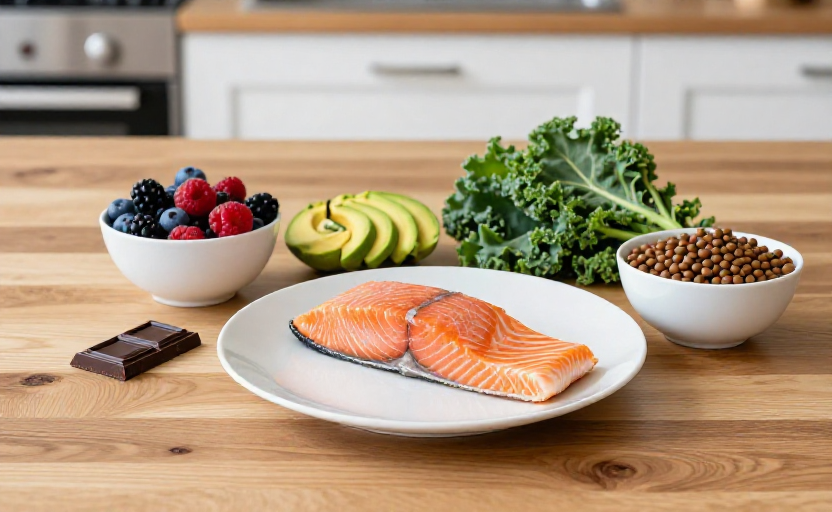
1. Fatty Fish: The Brain's Repair Kit
Fatty fish like salmon, mackerel, sardines, and trout are rich in omega-3 fatty acids (DHA and EPA). DHA is a structural component of brain cell membranes, while EPA helps quell systemic inflammation.
"Omega-3s are crucial for reducing post-stroke inflammation and supporting the repair of neuronal membranes," explains a registered dietitian specializing in neurology. A 2018 study in the journal Stroke found that higher blood levels of omega-3s were associated with better brain structure and cognitive function in older adults. For recovery, aim for two servings of fatty fish per week—about 6 ounces total.
Tip: If you don't eat fish, a high-quality algal oil supplement (which provides DHA) can be a good plant-based alternative, but always run it by your doctor first.
2. Leafy Greens: A Vitamin K Balancing Act
Spinach, kale, Swiss chard, and collard greens are packed with folate, vitamin E, and magnesium. Folate helps lower homocysteine, an amino acid linked to stroke risk. Magnesium supports healthy blood pressure regulation, a key factor in preventing secondary strokes.
However, these greens are also high in vitamin K, which helps blood clot. If you are on a blood thinner like warfarin (Coumadin), you need to keep your vitamin K intake consistent—not avoid it entirely. "The problem isn't eating greens, it's yo-yoing your intake," says another dietitian. "Eat a steady amount daily so your medication can be properly dosed." Work with your dietitian to find your target range.
3. Berries: Flavonoid Powerhouses
Blueberries, strawberries, blackberries, and raspberries are loaded with anthocyanins and flavonoids. These plant compounds are potent antioxidants that combat oxidative stress—the cellular damage that can accelerate brain aging after a stroke.
Research from the Nurses' Health Study II suggests women who ate the most blueberries and strawberries had a significantly lower risk of cognitive decline. For recovery, frozen berries are just as good as fresh. Toss a handful into oatmeal, yogurt, or a smoothie. "Berries are one of the easiest ways to get a concentrated dose of neuroprotective compounds without a lot of sugar," notes a dietitian.
4. Avocados: Healthy Fats for Blood Flow
Avocados are rich in monounsaturated fats, which help lower LDL ("bad") cholesterol when they replace less healthy fats in your diet. They also pack more potassium than a banana, which helps counteract sodium's blood-pressure-raising effects.
"Many stroke survivors have high blood pressure, and potassium is a natural vasodilator," explains a clinical dietitian. "Avocados are calorie-dense, so simply adding a quarter to a half of one to a meal gives you a big nutrient boost." Use it on whole-grain toast, blended into a chocolate pudding (using unsweetened cocoa powder and banana), or sliced onto salads.
5. Beans and Lentils: Steady Energy and Fiber
Beans, lentils, chickpeas, and split peas are low-glycemic sources of complex carbohydrates, protein, and soluble fiber. The fiber helps lower cholesterol and stabilize blood sugar, while the steady energy release supports physical therapy sessions without energy crashes.
"Post-stroke fatigue is real, and blood sugar swings can make it worse," says a dietitian. "Beans provide a slow, sustained release of glucose to the brain." They are also a great way to incorporate magnesium and folate. Try lentil soup, black bean tacos (using soft tortillas if chewing is tough), or hummus as a snack.
6. Dark Chocolate: A Delicious Flavonoid Source
Yes, chocolate made the list. Dark chocolate (at least 70% cocoa) is one of the richest sources of flavanols, compounds that improve blood vessel flexibility and blood flow to the brain. A 2017 study published in Frontiers in Nutrition found that cocoa flavanols can enhance cognitive function in older adults.
"The key is choosing dark chocolate low in added sugar and saturated fat," warns a dietitian. "A few squares—around 1 ounce—as an occasional treat is sufficient. It's not a mandate or a medicine, but a nutrient-dense indulgence that can fit into a heart-healthy recovery plan."
Putting It All Together: A Sample Day
You don't need to eat all six foods every day. Instead, focus on patterns. A sample day might look like this:
- Breakfast: Oatmeal topped with blueberries and a tablespoon of ground flaxseed (for more omega-3s).
- Lunch: Lentil soup with a side of steamed kale (keep the portion consistent with your warfarin plan) and a glass of water.
- Snack: A quarter of an avocado on a whole-grain cracker or a small handful of almonds.
- Dinner: Baked salmon with roasted asparagus and a small quinoa pilaf.
- Dessert: One square of 85% dark chocolate.
Remember: hydration is critical too. Even mild dehydration can worsen confusion and fatigue in stroke survivors. Water, herbal teas, and high-water-content fruits like watermelon all count.
FAQs About Food and Stroke Recovery
Can diet reverse brain damage from a stroke?
No single food can reverse brain damage. However, a healthy diet provides the nutrients needed to support neuroplasticity (the brain's ability to rewire itself), reduce inflammation, and manage risk factors like high blood pressure—all of which improve recovery outcomes.
Is a low-salt diet always necessary after a stroke?
For most survivors, yes. Reducing sodium helps lower blood pressure, which is the leading risk factor for both first and recurrent strokes. The American Heart Association recommends less than 1,500 mg of sodium per day. Always check labels—processed soups and breads are hidden sources.
Should I take a multivitamin after a stroke?
Only if your doctor or dietitian recommends it based on a blood test. For example, some stroke survivors become deficient in vitamin D (due to limited sun exposure during recovery) or B vitamins. Food sources are generally preferred over supplements unless a specific deficiency is diagnosed.
How can I get these foods if I have trouble chewing or swallowing (dysphagia)?
Many of these foods can be texturally modified. Berries can be pureed into smoothies or sauces. Cooked fish, avocado, and soft-cooked lentils can be mashed or pureed. Leafy greens can be blended into soups. Always work with a speech-language pathologist to ensure textures are safe.