Your pelvic floor does an extraordinary amount of work during pregnancy. As your baby grows, that hammock of muscles supports your uterus, bladder, and bowel, while also preparing for childbirth. Many expecting parents focus on Kegel exercises, and rightly so. But what you eat matters just as much as the exercises you do. The right nutrients can strengthen connective tissue, reduce inflammation, and help those muscles stay resilient under pressure.
Here are six foods—and the science-backed reasons they belong on your plate—to support pelvic floor health during pregnancy.
Why Nutrition Matters for Your Pelvic Floor
Your pelvic floor isn't just muscle; it's also fascia, ligaments, and connective tissue that rely on specific vitamins and minerals to stay strong and elastic. Collagen production, for instance, requires vitamin C and amino acids. Muscle repair depends on adequate protein and magnesium. Inflammation, which can weaken tissue over time, can be moderated by antioxidants. When you eat with your pelvic floor in mind, you're building a foundation that supports all the other work your body is doing.
1. Citrus Fruits for Collagen Strength
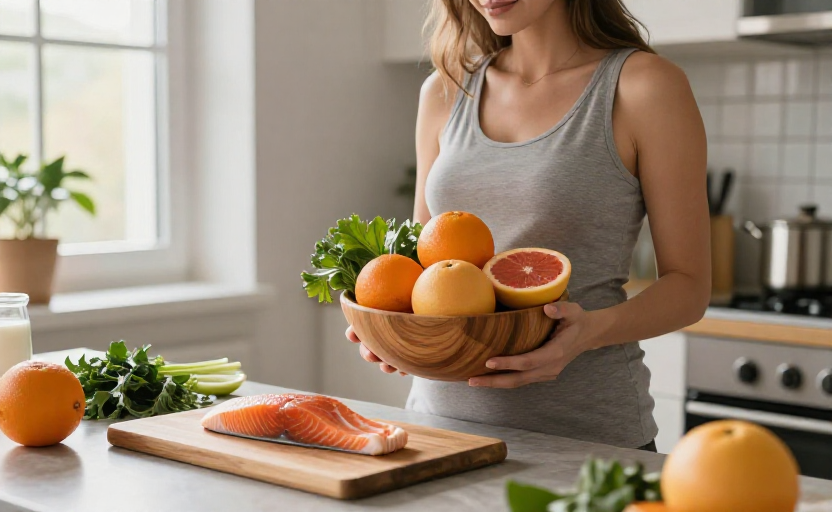
Oranges, grapefruits, kiwis, and strawberries are packed with vitamin C. This vitamin is essential for synthesizing collagen, a structural protein that gives your pelvic floor tissues their strength and flexibility. Without enough collagen, the fascia and ligaments that support your bladder and uterus can become less resilient, which may increase the risk of pelvic organ prolapse or urinary incontinence later on.
Try this: A small bowl of mixed berries or half a grapefruit with breakfast. Remember, heat can destroy vitamin C, so fresh or lightly steamed sources are best.
2. Leafy Greens for Magnesium and Fiber
Spinach, kale, Swiss chard, and collard greens deliver two pelvic-floor-friendly nutrients: magnesium and dietary fiber. Magnesium helps muscles relax properly—important when your pelvic floor is working overtime—and can reduce the likelihood of muscle spasms or tension. Fiber, meanwhile, prevents constipation. Straining on the toilet is one of the most direct ways to stress and weaken the pelvic floor, so staying regular is a low-key but powerful strategy.
Tip: Aim for at least one serving of cooked or raw greens per day. If you find raw greens hard to digest during pregnancy, lightly steaming them makes the nutrients easier to absorb.
3. Salmon for Omega-3s and Vitamin D
Fatty fish like wild salmon provides two nutrients that work together: omega-3 fatty acids and vitamin D. Omega-3s have anti-inflammatory properties, which can help reduce chronic low-grade inflammation in pelvic tissues. Vitamin D is important for muscle function—studies suggest that low vitamin D levels are linked to pelvic floor disorders. Salmon is also a lean source of high-quality protein, which your body needs to repair and maintain muscle tissue.
Aim for two servings of low-mercury fatty fish per week. If salmon isn't your preference, sardines or mackerel are good alternatives.
4. Bone Broth or Gelatin for Connective Tissue
Bone broth is rich in collagen, gelatin, glycine, and proline—amino acids that your body can use to repair its own connective tissues. While the research is still emerging, there's evidence that collagen supplementation may improve skin elasticity and joint health, which hints at benefits for the pelvic floor as well. A warm cup of bone broth is also soothing and hydrating, two more bonuses during pregnancy.
If you don't eat animal products, consider a high-quality marine collagen supplement or plant-based amino acid sources like beans and lentils combined with vitamin C-rich foods to boost collagen synthesis naturally.
5. Berries and Cherries for Antioxidant Protection
Blueberries, raspberries, blackberries, and tart cherries are loaded with antioxidants such as anthocyanins and flavonoids. These compounds help combat oxidative stress, which can damage cells and accelerate tissue weakening. By reducing inflammation at the cellular level, antioxidants may help keep pelvic floor tissues more elastic and less prone to strain. Berries also provide a good amount of vitamin C and fiber, giving you a triple benefit.
Easy addition: Throw a handful of frozen berries into oatmeal, yogurt, or a smoothie. No chopping required.
6. Lentils and Beans for Protein and Iron
Muscle recovery and strength depend on adequate protein, and during pregnancy your blood volume increases by nearly 50 percent. That means your iron needs are sky-high. Iron deficiency can lead to fatigue, which makes it harder to maintain good posture and engage your pelvic floor during daily movement. Lentils, chickpeas, black beans, and kidney beans provide both protein and non-heme iron.
Pair them with a vitamin C source—like squeezing lemon juice over lentil soup—to improve iron absorption. A half-cup serving of cooked lentils gives you about 9 grams of protein and 3.3 mg of iron.
Putting It Into Your Day
You don't need to eat all six foods every day. The goal is to rotate them across your week. Here's one way to do it:
- Monday: Oatmeal with blueberries and a side of scrambled eggs with spinach
- Tuesday: Salmon salad with mixed greens, cherry tomatoes, and a citrus vinaigrette
- Wednesday: Lentil soup with a squeeze of lemon, followed by an orange
- Thursday: Bone broth as a warm afternoon drink, plus a handful of almonds
- Friday: Grilled chicken with steamed kale and roasted sweet potatoes
- Weekend: Mix and match leftovers or try a berry smoothie with a handful of spinach
Hydration is also non-negotiable. Water keeps tissues pliable and prevents constipation. Aim for 8 to 10 cups per day, more if you're active.
What About Caffeine and Other Concerns?
Caffeine is a mild diuretic, which means it can increase urinary frequency and sometimes irritate the bladder. During pregnancy, many experts recommend keeping caffeine under 200 mg per day (about one 12-ounce coffee) anyway. If you notice that coffee or tea makes you feel like you're running to the bathroom more often, consider cutting back and see if your pelvic floor feels more settled.
The Bottom Line
A pelvic-floor-friendly pregnancy diet doesn't require extreme changes. By focusing on a few targeted foods—citrus for collagen, greens for magnesium, salmon for omega-3s, bone broth for connective-tissue repair, berries for antioxidants, and legumes for protein—you give your body the raw materials it needs to keep those muscles strong and resilient. Combine good nutrition with daily gentle movement, proper lifting mechanics, and consistent hydration, and you'll be supporting your pelvic floor from the inside out.