The thyroid is a small gland with a huge job. It influences metabolism, energy levels, body temperature, and even heart rate. When your thyroid function test results come back less than ideal, diet often becomes a topic of focus. While food alone cannot treat a diagnosed thyroid condition, research consistently shows that what you eat can support the gland's ability to produce and regulate hormones like T3 and T4.
The following six foods offer specific nutrients—selenium, iodine, zinc, and antioxidants—that are directly involved in thyroid health. Incorporate them as part of a balanced eating pattern, and always discuss your lab results with a doctor before making significant dietary changes.
1. Brazil Nuts
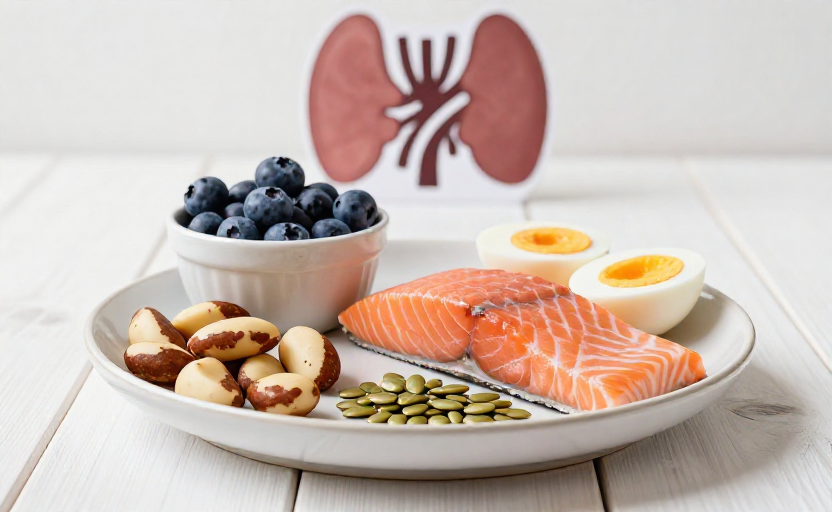
Brazil nuts are the single richest food source of selenium, a mineral that the thyroid needs more of per gram than any other organ. Selenium is a critical component of the enzymes that convert T4 (the inactive thyroid hormone) into T3 (the active form). A single Brazil nut can contain well over 50 mcg of selenium, which is close to the daily recommended intake for adults.
How to use them: Eat just one or two Brazil nuts per day. More is not better—excess selenium intake can lead to toxicity over time. Add them to oatmeal or snack on them whole. Because the selenium content varies by growing region, stick with a moderate daily habit and skip high-dose selenium supplements unless your doctor recommends them.
2. Seaweed (Especially Kelp and Wakame)
Iodine is the raw material the thyroid uses to build its hormones. Seaweed, particularly brown varieties like kelp and wakame, is a naturally concentrated source of iodine. For people whose thyroid issues stem from iodine deficiency—which is more common in areas with low soil iodine levels—incorporating seaweed can help normalize lab markers.
Important context: Iodine is a double-edged sword. If you already have Hashimoto's thyroiditis (the most common cause of hypothyroidism in iodine-sufficient regions), too much iodine can worsen inflammation and suppress thyroid function. If your test results suggest an autoimmune pattern, avoid iodine-rich foods in large amounts until you speak with your endocrinologist.
3. Wild-Caught Fatty Fish
Salmon, mackerel, and sardines deliver two nutrients that matter for thyroid function: selenium and vitamin D. Vitamin D deficiency is widespread among people with autoimmune thyroid conditions, and some research suggests that adequate vitamin D levels correlate with lower thyroid antibody titers. Fatty fish also provide omega-3 fatty acids, which help reduce systemic inflammation that can impair thyroid receptor sensitivity.
How to use them: Aim for two to three servings of fatty fish per week. If you don't eat fish, consider a high-quality fish oil or algal oil supplement after consulting your healthcare provider.
4. Eggs
Eggs, especially the yolks, contain both selenium and iodine—two minerals that work together for thyroid hormone synthesis. They are also a good source of tyrosine, an amino acid that forms the backbone of thyroid hormones. Unlike some iodine-rich foods, eggs provide a more moderate and balanced supply of these nutrients, making them a safe choice for most people regardless of their thyroid diagnosis.
How to use them: One large egg per day is generally considered beneficial. Cooking method matters less than consistency—scrambled, poached, or hard-boiled all work. If you have high cholesterol, talk to your doctor about whether whole eggs fit your individual lipid profile.
5. Pumpkin Seeds
Zinc deficiency has been linked to low T3 and T4 levels, and pumpkin seeds are one of the easiest plant-based sources of this trace mineral. Zinc supports the structure of the thyroid hormone receptor and helps regulate TSH (thyroid-stimulating hormone) release from the pituitary gland. For people with subclinical hypothyroidism, modest increases in zinc intake have been associated with improved T3 levels in some small clinical trials.
How to use them: A quarter-cup of raw pumpkin seeds provides roughly 2 mg of zinc (about 20% of the RDA for women). Sprinkle them on salads, yogurt, or oatmeal. Pairing them with a vitamin C source like bell peppers or citrus can improve absorption.
6. Berries (Blueberries, Strawberries, and Raspberries)
Thyroid function is highly sensitive to oxidative stress. The thyroid gland uses large amounts of hydrogen peroxide to produce hormones, and if not neutralized by antioxidants, this process can damage thyroid tissue. Berries are packed with anthocyanins and vitamin C, both of which help quench free radicals and protect the gland from oxidative damage. Lower oxidative burden may also support more stable TSH levels over time.
How to use them: One cup of fresh or frozen berries per day is a reasonable target. They are low in calories and high in fiber. If you are on anticoagulant medication, be consistent with high-vitamin-C foods rather than suddenly increasing intake dramatically, since vitamin C can increase iron absorption.
Putting It All Together
Eating for thyroid support does not require a restrictive diet. The foods above fit easily into common eating patterns like Mediterranean, gluten-free (if needed for concurrent celiac disease), or balanced omnivorous diets. The key is consistency over weeks and months—no single food will change your lab results overnight.
Quick caveat: Thyroid test results are influenced by timing, medications, supplements, and even the time of day you take your blood draw. If you are on levothyroxine or other thyroid medications, take them on an empty stomach with water, and wait at least 30–60 minutes before eating any of the foods above, especially those rich in calcium or fiber.
Before making any major changes based on your test results, consult an endocrinologist or a registered dietitian who specializes in thyroid health. Diet can be a powerful support, but it works best alongside medical guidance, not in place of it.