When it comes to keeping your heart in good shape, the conversation often turns to what you should avoid. But focusing on what to add to your plate can be just as powerful, especially for the health of your coronary arteries—the vessels that deliver oxygen-rich blood to your heart muscle. Dietitians emphasize that no single food is a magic bullet, but consistently including certain nutrient-dense options can support arterial flexibility, reduce inflammation, and help manage cholesterol.
Here are six foods that registered dietitians often recommend for supporting coronary artery health, along with simple ways to incorporate them into your everyday meals.
Fatty Fish for Omega-3s
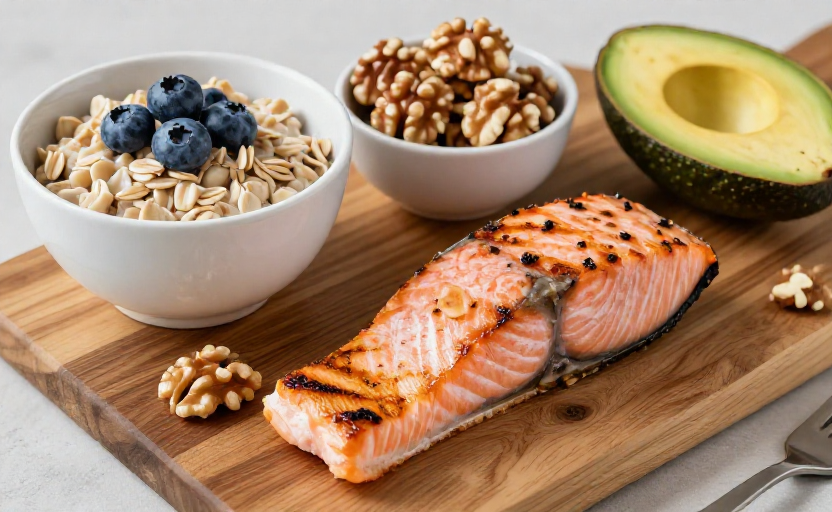
Fatty fish like salmon, mackerel, sardines, and trout are rich in omega-3 fatty acids, specifically EPA and DHA. These fats are known to help reduce inflammation in the blood vessels and can lower triglycerides. Some research also suggests they help keep the lining of the arteries, called the endothelium, functioning properly. Dietitians typically suggest a 3.5- to 4-ounce serving, baked or grilled, twice a week. For a quick meal, try canned salmon or sardines on a salad or whole-grain cracker.
Leafy Greens for Dietary Nitrates and Fiber
Spinach, kale, Swiss chard, and arugula are packed with dietary nitrates, which the body can convert into nitric oxide. Nitric oxide helps relax and widen blood vessels, which can lower blood pressure and improve blood flow. These greens are also a good source of fiber, which binds to cholesterol in the digestive tract and helps remove it from the body. A simple goal is to include a handful of greens in at least one meal per day—add them to smoothies, soups, or as a base for a grain bowl.
Berries for Antioxidant Protection
Blueberries, strawberries, raspberries, and blackberries are high in flavonoids, particularly anthocyanins. These antioxidants protect the artery walls from oxidative stress and damage caused by free radicals. Over time, oxidative stress can contribute to the formation of plaque in the coronary arteries. Eating a half-cup to one cup of berries several times a week is a practical target. Frozen berries work just as well as fresh and are often more affordable year-round.
Oats for Soluble Fiber
A bowl of oatmeal is a classic heart-healthy breakfast for good reason. Oats contain beta-glucan, a type of soluble fiber that forms a gel-like substance in the gut. This gel traps cholesterol-rich bile acids and carries them out of the body, which can lower LDL (the “bad” cholesterol) levels over time. To get the most benefit, dietitians recommend choosing steel-cut or rolled oats over instant varieties, which are often more processed. Aim for about three-quarters of a cup of cooked oats as a serving.
Walnuts for Plant-Based Omega-3s and Healthy Fats
Walnuts are one of the few plant sources of alpha-linolenic acid (ALA), a type of omega-3 that can support heart health. They also contain polyunsaturated and monounsaturated fats, which can help improve cholesterol profiles when they replace less healthy saturated fats. A handful (about 1 ounce or 14 walnut halves) makes a good snack, but be mindful of portion sizes since nuts are calorie-dense. Walnuts are also easy to sprinkle over oatmeal, yogurt, or salads for added crunch.
Avocados for Potassium and Monounsaturated Fat
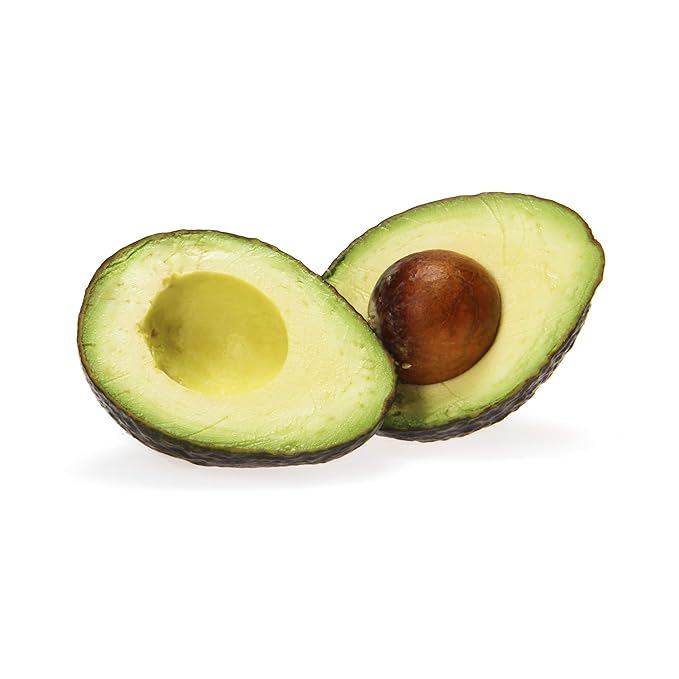
Avocados are rich in monounsaturated fat, particularly oleic acid, which is associated with lower levels of inflammation. They are also a good source of potassium—a mineral that helps counteract the effects of sodium and can help maintain healthy blood pressure. Unlike many fruits, avocados contain virtually no sugar, making them a versatile savory option. Adding a quarter to a half of an avocado to a salad, sandwich, or as a spread on toast can be a simple way to include it in a heart-supportive diet.
Keep in mind: these foods are most effective when they replace less healthy options in your diet—like swapping chips for walnuts or processed meats for a serving of fish—rather than just being added on top of an otherwise poor eating pattern.
Consistency matters more than perfection. Including these foods regularly, in combination with general healthy habits like staying active and not smoking, can go a long way toward keeping your coronary arteries in good working order.