Period cramps are a monthly ordeal for many. While some swear by ginger tea or a hot water bottle, others need more reliable, science-backed solutions. The severity of menstrual pain often comes down to inflammation. When the uterus contracts to shed its lining, it releases inflammatory compounds called prostaglandins. The more prostaglandins your body produces, the more intense the cramping can be. This is where diet enters the picture: certain foods can help lower those inflammatory signals and ease muscle tension.
Here are six foods and nutrients that research links to less severe cramps—no pills required.
Fatty fish and other omega-3 sources
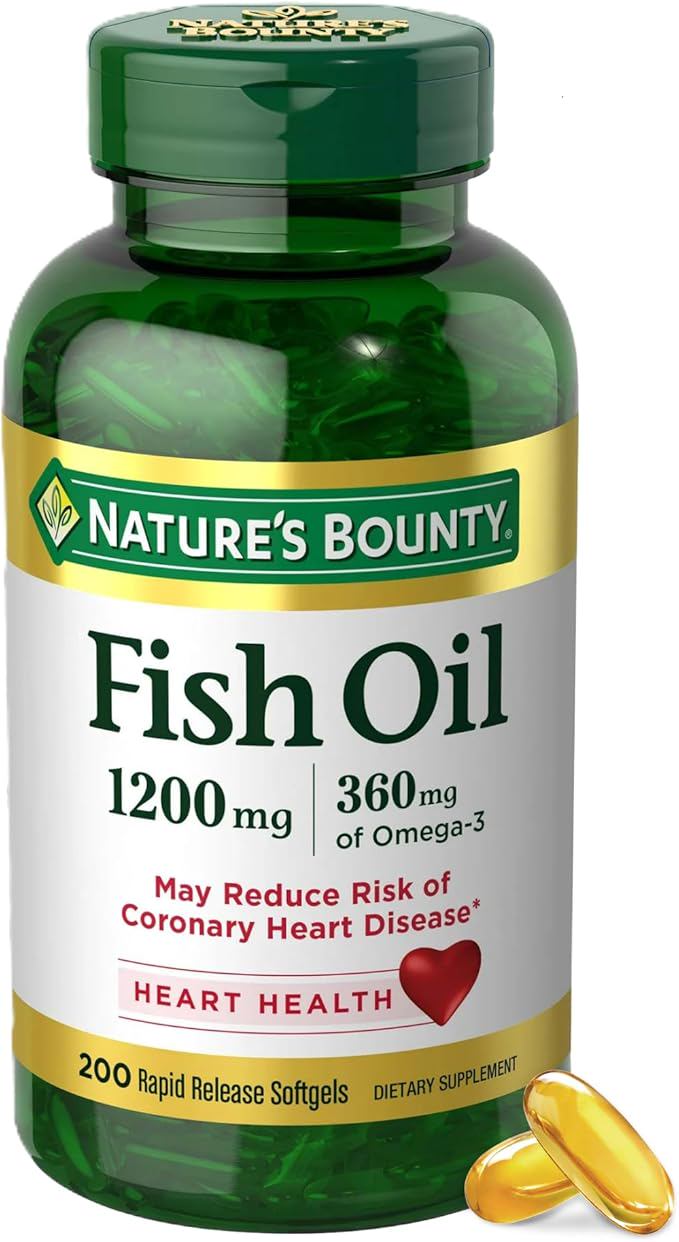
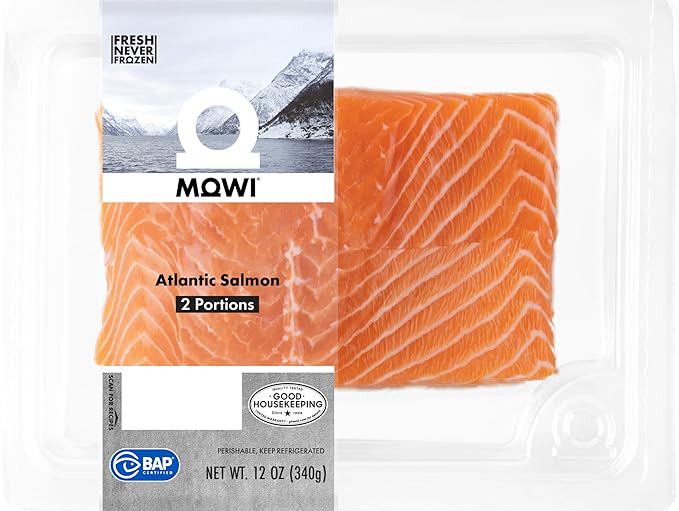
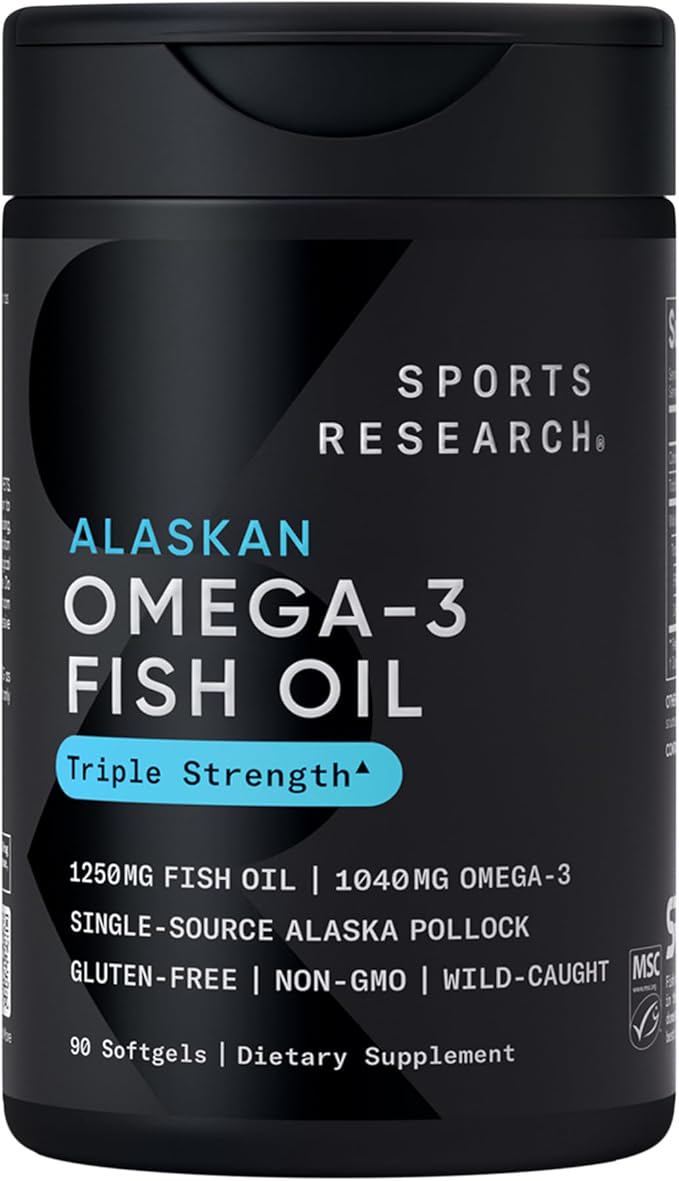
Omega-3 fatty acids are well known for their anti-inflammatory properties. During menstruation, they help keep pro-inflammatory proteins in check. A study in Complementary Therapies in Medicine found that women who consumed more omega-3s reported significantly less menstrual pain, along with reduced bloating and breast tenderness. Salmon, mackerel, sardines, flaxseeds, chia seeds, and walnuts are all solid sources. Aim to include one or two servings of fatty fish per week, or sprinkle ground flaxseed on oatmeal or yogurt.
Ginger
Ginger isn't just for nausea. Several clinical trials suggest that ginger powder can reduce the duration and intensity of period pain. A study in the Journal of Alternative and Complementary Medicine compared ginger to ibuprofen and found it equally effective for many women. It works by blocking prostaglandin synthesis, similar to how anti-inflammatory pain relievers function. Fresh ginger tea—just a few slices steeped in hot water—or a half-teaspoon of powdered ginger can be taken once or twice daily in the days leading up to and during your period.
Dark leafy greens
Spinach, kale, Swiss chard, and collard greens are rich in magnesium and calcium. Magnesium helps relax smooth muscle tissue, including the uterine muscle, which can reduce the severity of contractions. Calcium also plays a role in muscle function; low levels of calcium have been linked to more painful periods. A large study from the American Journal of Obstetrics and Gynecology found that women with higher dietary calcium intake had a lower risk of moderate-to-severe PMS symptoms, including cramps. Add a handful of spinach to a smoothie, or sauté kale with garlic as a side dish.
Turmeric
The active compound in turmeric, curcumin, is a potent anti-inflammatory and antioxidant. A 2015 study in the Journal of Clinical & Diagnostic Research showed that curcumin supplementation reduced the severity of PMS symptoms, including pain, by lowering inflammatory markers. While turmeric alone is not a cure-all, using it regularly in cooking—curries, soups, golden milk—may help modulate the body's inflammatory response around menstruation. Pair it with black pepper to enhance absorption.
Dark chocolate
Dark chocolate (at least 70% cocoa) contains magnesium, iron, and antioxidants. The magnesium content can help relax tense muscles, and the flavonols in cocoa may improve blood flow. A small piece can also boost serotonin levels, which may lift mood when PMS dips it. It is not a large-calorie treat; a single square or two can be enough to get the benefits without spiking blood sugar, which can worsen inflammation.
Fennel seeds
Fennel has a long history in traditional medicine for digestive and menstrual complaints. Modern research backs it up: a study published in the Iranian Journal of Nursing and Midwifery Research found that fennel extract reduced the severity of menstrual pain in college students. It is thought to work by relaxing smooth muscle and reducing prostaglandin levels. You can drink fennel tea (steep one teaspoon of crushed seeds in hot water) or chew a pinch of seeds directly during your period.
Important note: This article is for general health education. If you have severe or debilitating cramps that interfere with daily life, speak with a healthcare provider. Conditions like endometriosis or fibroids may require more than dietary changes.