Living with Polycystic Ovary Syndrome (PCOS) often means navigating a long list of frustrating symptoms, and irregular or absent periods is one of the most common. While medication and lifestyle changes play a role, what you put on your plate can be a powerful tool for supporting your cycle. Dietitians often point to the connection between blood sugar control, inflammation, and hormonal balance. The goal isn't a quick fix, but a pattern of eating that helps your body find its own rhythm. Here are six foods that experts recommend adding to your routine to help regulate your menstrual cycle.
1. Fatty Fish (Salmon, Sardines, Mackerel)
Fatty fish is a standout for PCOS management due to its high concentration of omega-3 fatty acids. Chronic low-grade inflammation is a hallmark of PCOS, and it can disrupt the delicate signaling between your brain and ovaries. Omega-3s help tamp down that inflammation, potentially improving insulin sensitivity and encouraging ovulation. A simple goal is to include a serving of fatty fish—think grilled salmon or sardines on a salad—a couple of times per week.
“Omega-3s from fish don't just fight inflammation; they also support the health of cell membranes, which is crucial for proper hormone receptor function.” — A common observation among registered dietitians specializing in PCOS.
2. Leafy Greens and Cruciferous Vegetables
Fiber-rich vegetables like spinach, kale, broccoli, and Brussels sprouts are workhorses for hormone health. Your liver is responsible for filtering out used hormones, and fiber helps sweep those metabolites out of your system so they don't get reabsorbed. Cruciferous veggies (broccoli, cauliflower, cabbage) are particularly valuable because they contain a compound called indole-3-carbinol, which supports a healthy estrogen balance—a key factor for those with PCOS who often experience estrogen dominance. Aim for at least two servings of these vegetables daily.
3. Beans and Lentils
Legumes are often overlooked, but they are a powerhouse for stabilizing blood sugar. They provide a slow-burning mix of protein and complex carbohydrates, which prevents the sharp insulin spikes that can worsen PCOS symptoms. Stable blood sugar encourages a regular menstrual cycle because high insulin levels directly tell the ovaries to produce excess testosterone. Swapping refined carbs (like white rice or pasta) for lentils or chickpeas in a meal can make a tangible difference.
4. Whole, Unsalted Nuts and Seeds (Especially Flaxseed and Pumpkin Seeds)
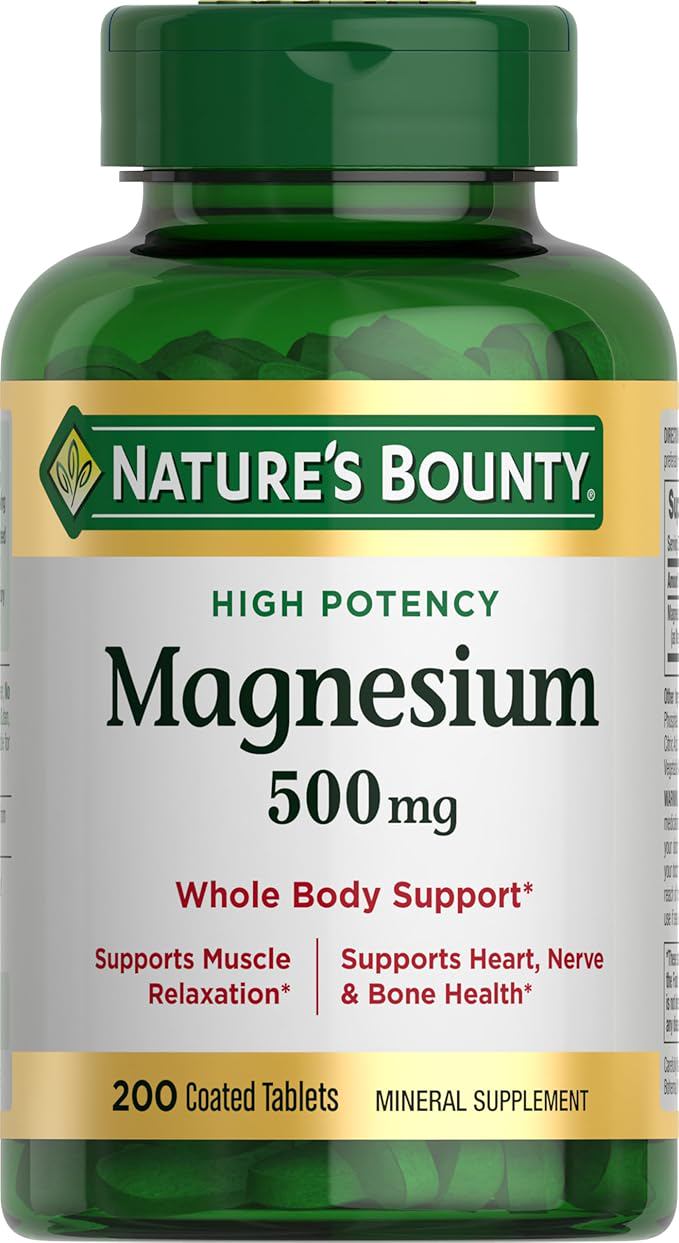
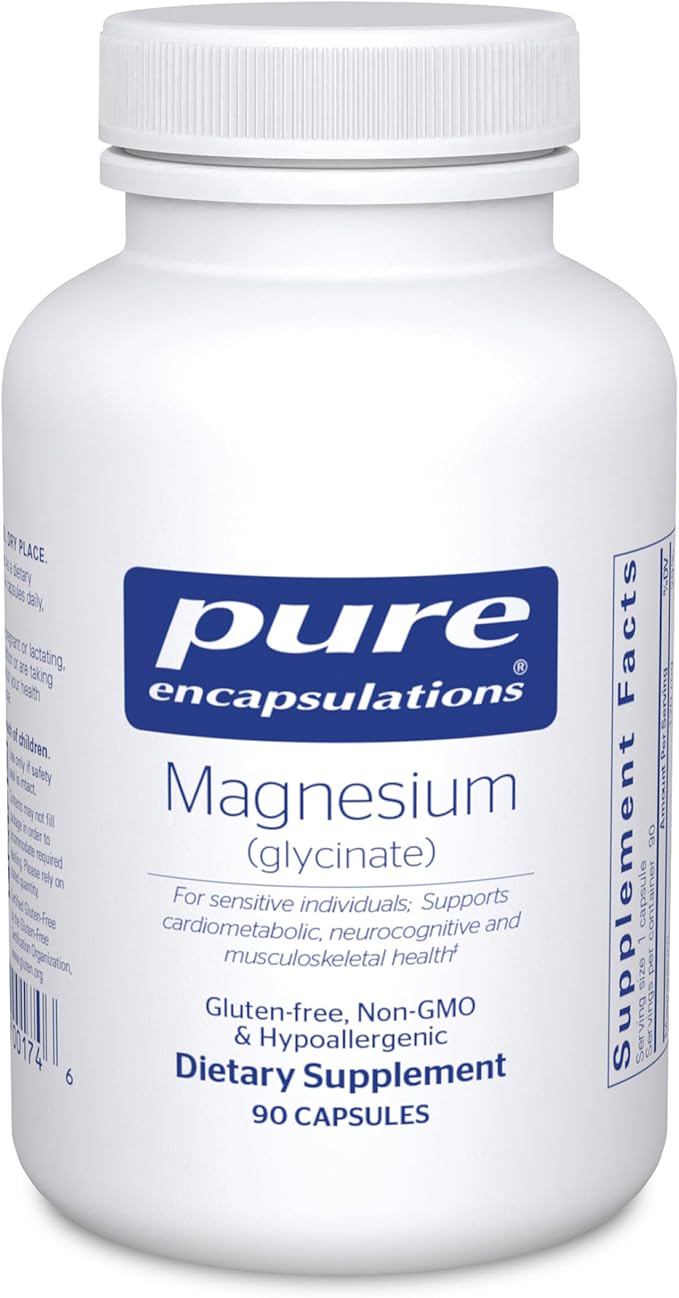
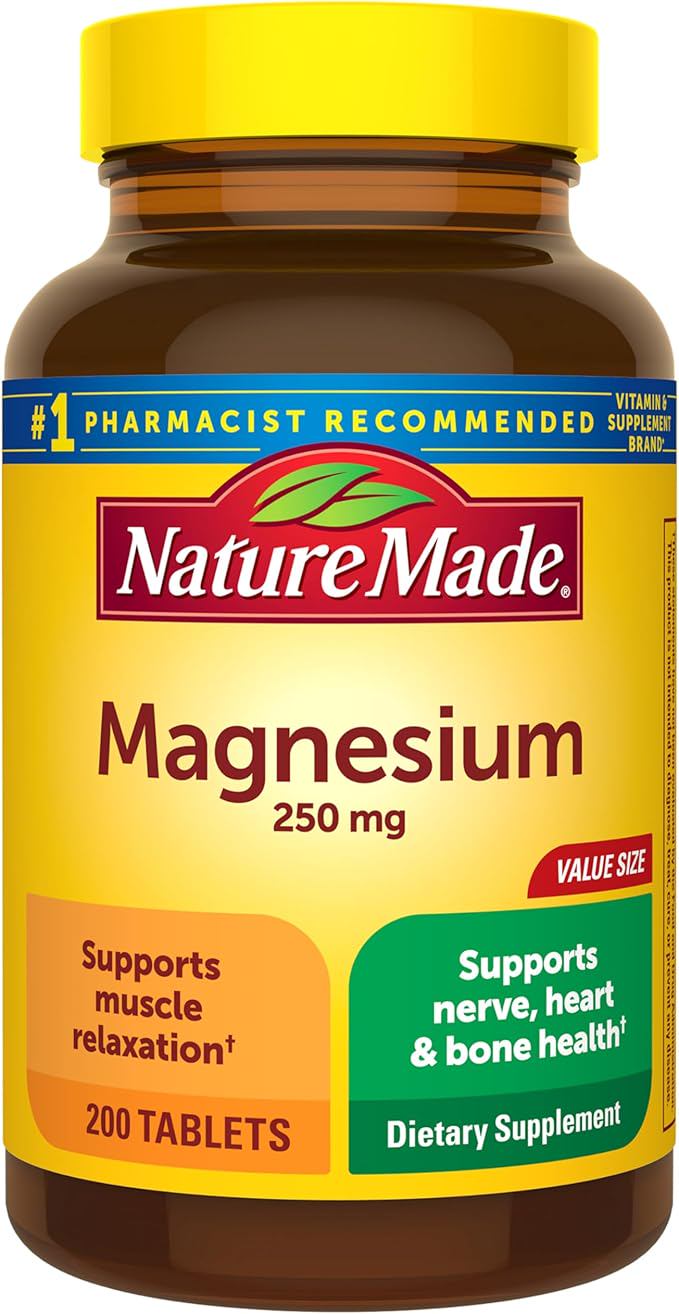
Nuts and seeds are compact sources of magnesium, zinc, and healthy fats. Magnesium is often deficient in women with PCOS and plays a role in reducing cortisol (the stress hormone), while zinc is important for ovulation. Flaxseeds deserve a special mention: they are rich in lignans, which help the body process estrogen more effectively. Ground flaxseed is easy to sprinkle over oatmeal or yogurt. Pumpkin seeds are also excellent for zinc content and can be a satisfying snack that supports hormone production.
5. Berries and Cherries
When you want something sweet, reaching for berries (blueberries, strawberries, raspberries) or tart cherries is a smart choice. They are lower in sugar than many fruits and packed with antioxidants like anthocyanins. These antioxidants help reduce oxidative stress, another underlying factor in PCOS that can impede regular ovulation. Their fiber content also helps with blood sugar management, making them a cycle-friendly dessert or breakfast topper.
6. Avocado
Avocados are rich in monounsaturated fats and a significant amount of fiber. This combination is excellent for improving insulin sensitivity and reducing inflammation. They also support the absorption of fat-soluble vitamins (A, D, E, K) from other foods, which is critical for overall hormone production. Adding half an avocado to a salad or using it as a spread can contribute to feeling fuller longer and can stabilize energy levels throughout the day.
It is important to remember that no single food is a miracle cure. Regular periods in PCOS often require a comprehensive approach that includes managing stress, getting adequate sleep, and consistent physical activity. These six foods are simply some of the most effective nutritional tools, backed by dietitian advice, to help your body move toward a more natural and predictable cycle. Start by adding one or two of them to your meals this week and see how your body responds.