If you're living with PCOS, you're probably familiar with the usual advice: eat well, move more, manage stress. But what if some of the foods you eat every day are quietly working against you—especially when it comes to metabolic syndrome? Metabolic syndrome isn't just a scary term doctors throw around. It's a cluster of conditions—high blood sugar, elevated cholesterol, excess belly fat, and high blood pressure—that tend to travel together, and women with PCOS are at higher risk.
Here's the thing: you might be eating foods that feel healthy. Or foods that are marketed as healthy. But certain ingredients and compounds can worsen insulin resistance, trigger inflammation, and disrupt hormone balance in ways that fuel metabolic syndrome. Below are six common foods that could be making PCOS metabolic syndrome risk worse—without you realizing it.
1. Low-fat or flavored yogurt
Yogurt itself can be a great source of protein and probiotics. But the low-fat or flavored varieties are often hiding a problem: added sugar. A single serving of fruit-on-the-bottom yogurt can contain 15–20 grams of sugar—sometimes more than a glazed donut. For women with PCOS, that quick sugar spike triggers a larger insulin release, which over time worsens insulin resistance, a core driver of metabolic syndrome.
Instead, go for plain Greek yogurt. It's higher in protein and typically lower in sugar. If you need sweetness, add a few berries or a sprinkle of cinnamon yourself.
Check labels. Look for yogurt with less than 5 grams of sugar per serving, or better yet, no added sugar at all.
2. Granola and granola bars
Granola carries a health halo. Oats, nuts, seeds—what could be bad? The problem is that most commercial granolas are held together with sugar, honey, or syrups. A single cup of some granola brands can pack 20 grams of sugar or more. The same goes for granola bars, which are often processed with refined grains and low-quality oils.
For women with PCOS, this combination of sugar and refined carbs hits the bloodstream fast, raising glucose and insulin. Over time, that accelerates the progression toward metabolic syndrome. If you love granola, look for versions that list nuts and seeds before any sweetener, and keep your portion size to a couple of tablespoons.
3. Plant-based milks (the sweetened kind)
Almond milk, oat milk, coconut milk—they sound wholesome, and for many women with PCOS, they're a dairy alternative. But most popular plant-based milks are sweetened. A glass of sweetened oat milk can contain 10–16 grams of sugar, almost as much as cow's milk that you may already be limiting. Unsweetened versions usually have 0 grams of sugar.
If you're drinking a latte or smoothie every morning with sweetened plant milk, you're starting your day with a sugar load that can destabilize blood sugar and promote inflammatory responses linked to metabolic syndrome. Switching to unsweetened is a small change with a big impact.
4. Whole-wheat bread and whole-grain wraps
This one surprises people. Whole-wheat bread is not the same as whole-grain bread. Even when the label says “100% whole wheat,” the processing can cause a rapid spike in blood sugar. Many wraps labeled “whole grain” are still made with refined white flour as the main ingredient. These carbs are absorbed quickly, which triggers insulin release. For insulin-resistant women, that effect is magnified.
Metabolic syndrome risk goes up when you eat foods that cause repeated glucose spikes. If bread is part of your diet, consider sprouted-grain bread varieties or sourdough—these have a slower effect on blood sugar for many people. Even better: replace bread at some meals with vegetables, which provide fiber that buffers glucose absorption.
5. Protein shakes and meal replacement bars
It seems counterintuitive: protein is supposed to be stabilizing. But many powder-based shakes and bars are highly processed. They often contain added sugars, sugar alcohols (which can cause bloating and blood sugar fluctuations in some women), and artificial sweeteners that may negatively affect the gut microbiome. Some studies suggest that certain artificial sweeteners can still trigger an insulin response, even if they don't raise blood sugar directly.
For managing PCOS metabolic syndrome, a whole-food protein source like eggs, tofu, fish, or plain chicken is almost always better than a processed shake. If you need convenience, look for a low-sugar protein powder with a short ingredient list, and check that the sugar content is less than 2 grams per serving.
6. Vegetable oils high in omega-6 fatty acids
This is the sneakiest one on the list. Vegetable oils like soybean, corn, sunflower, and grapeseed oil are everywhere—in salad dressings, chips, crackers, frozen meals, and restaurant food. They're high in omega-6 fatty acids, which are essential in small amounts but problematic when they dominate your dietary fat profile.
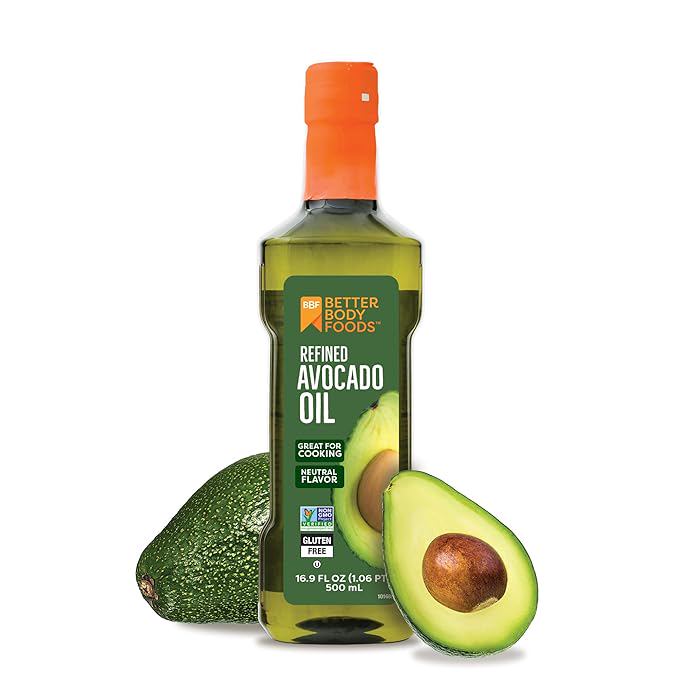
Too much omega-6 without enough omega-3 creates a pro-inflammatory state. For women with PCOS, chronic inflammation is a known driver of insulin resistance and metabolic syndrome. Check ingredient labels for these oils, and choose olive oil, avocado oil, or coconut oil when possible. Eating more fatty fish like salmon or mackerel can also help bring your omega-6 to omega-3 ratio into balance.
Small swaps matter. You don't have to overhaul everything overnight. Replacing one of these foods each week can meaningfully lower metabolic syndrome risk over time.