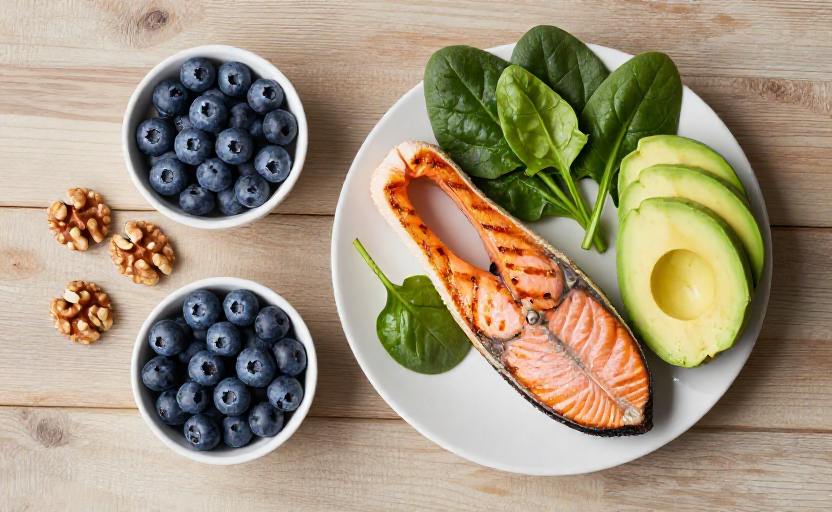
Weight gain is one of the most frustrating symptoms of polycystic ovary syndrome (PCOS). It's not just about calories or willpower—hormonal imbalances, insulin resistance, and chronic inflammation make it genuinely harder for many women to manage their weight. But the right foods can help calm those drivers. Here are six foods dietitians consistently recommend for managing PCOS-related weight gain, backed by both science and clinical experience.
Fatty fish: Why salmon and sardines top the list
Fatty fish like salmon, mackerel, and sardines are rich in long-chain omega-3 fatty acids, specifically EPA and DHA. These fats are potent anti-inflammatory agents. For women with PCOS, who often have elevated markers of inflammation, adding omega-3s can help lower triglycerides, improve insulin sensitivity, and support a healthier metabolic rate. A 2020 review in Nutrients found that omega-3 supplementation consistently reduced fasting insulin and waist circumference in women with PCOS. Three servings of fatty fish per week is a common dietary recommendation—but even one serving makes a difference.
Tip: Grilled salmon over a bed of leafy greens with a lemon-tahini dressing hits protein, healthy fats, and fiber in one meal.
Dark leafy greens: Magnesium and fiber powerhouses
Spinach, kale, Swiss chard, and arugula deliver a double benefit. First, they're packed with magnesium, a mineral that helps regulate blood sugar and improve insulin sensitivity. Many women with PCOS run low on magnesium. Second, they offer abundant fiber, which slows the absorption of sugar into your bloodstream. Pairing leafy greens with a source of protein and a smart carb can actually blunt the blood sugar spike you'd get from carb alone. Aim for at least one cup of cooked or two cups of raw leafy greens at main meals.
Berries: Low-glycemic sweetness without the crash
Blueberries, strawberries, raspberries, and blackberries are naturally low on the glycemic index and high in anthocyanins—compounds that reduce oxidative stress. Unlike a banana or mango, berries deliver sweetness without rapidly elevating blood glucose. For someone with PCOS trying to manage weight gain, minimizing large blood sugar swings is critical. One study found that women with PCOS who consumed a higher intake of low-glycemic fruits (like berries) had lower body mass index and better insulin markers over time. Toss them into plain Greek yogurt for a balanced breakfast or snack.
Avocado: Healthy monounsaturated fats for satiety
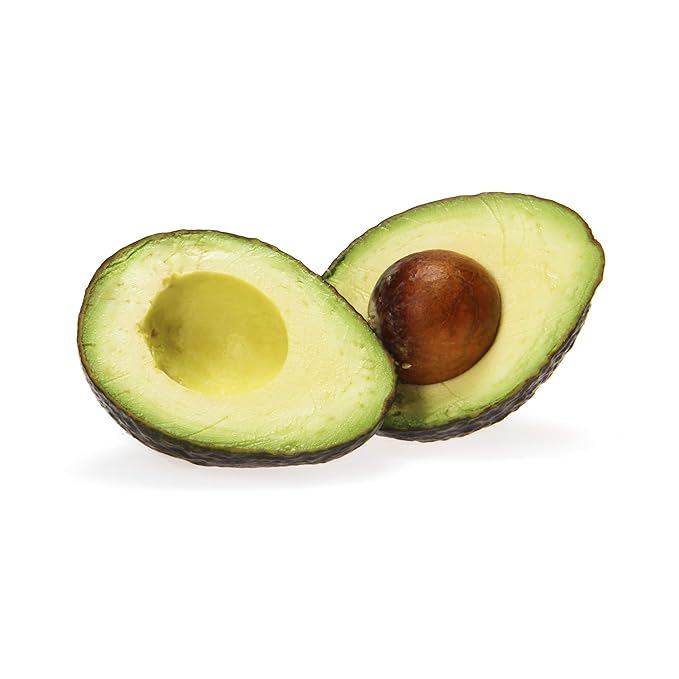
Half an avocado provides about seven grams of fiber and a generous dose of monounsaturated fat. These fats digest slowly, keeping you fuller for longer periods. For weight management, satiety is gold. When you feel full, you're less likely to reach for processed snacks that spike insulin. Avocados also boost absorption of fat-soluble vitamins (A, D, E, K) from other vegetables you eat alongside. Try a quarter to half an avocado with meals instead of less nutritious fats like processed dressings or butter.
Beans and lentils: Stable energy from resistant starch
Legumes—chickpeas, black beans, lentils—contain resistant starch and soluble fiber that ferment slowly in the gut. This process produces short-chain fatty acids that actually improve how your cells respond to insulin. Because they are carbohydrate-rich foods but have a low glycemic load, they're a smart swap for white rice or refined pasta. A 2019 clinical trial showed that women with PCOS who replaced refined grains with legumes experienced significant reductions in body weight and waist circumference after just eight weeks. Start with half a cup of cooked legumes daily.
Walnuts: The nut with special omega-3s
While all nuts offer benefits, walnuts stand out because they contain alpha-linolenic acid (ALA)—a plant-based omega-3 that supports brain health and helps modulate inflammation. Walnuts also have a favorable ratio of polyunsaturated to saturated fats and an impressive fiber profile. A 1-ounce serving (about 12-14 halves) makes an excellent portion-controlled snack. Research from 2021 connected regular walnut consumption with lower fasting insulin levels and reduced belly fat in women with PCOS. Store them in the fridge to prevent the natural oils from going rancid.
Putting it together: What dietitians want you to know
No single food is a magic bullet. The real benefit comes from consistent patterns: pairing protein and healthy fats with every carbohydrate source, prioritizing fiber at meals, and keeping processed sugars and refined grains low. These six foods—fatty fish, leafy greens, berries, avocado, legumes, and walnuts—are practical, evidence-based starting points. They don't demand an elaborate diet plan; they simply need to become regular players in your weekly eating rhythm.