
If you've been told your cholesterol numbers need attention, you're not alone—and what you eat can make a real difference. While medication has its place, a growing body of research shows that certain foods can actively help lower LDL (the “bad” cholesterol) when eaten consistently. We asked dietitians which foods they recommend most often, and these six came up again and again. They won't work miracles overnight, but added to a balanced diet, they can shift your numbers in the right direction.
1. Oats and Barley: The Soluble Fiber Powerhouses
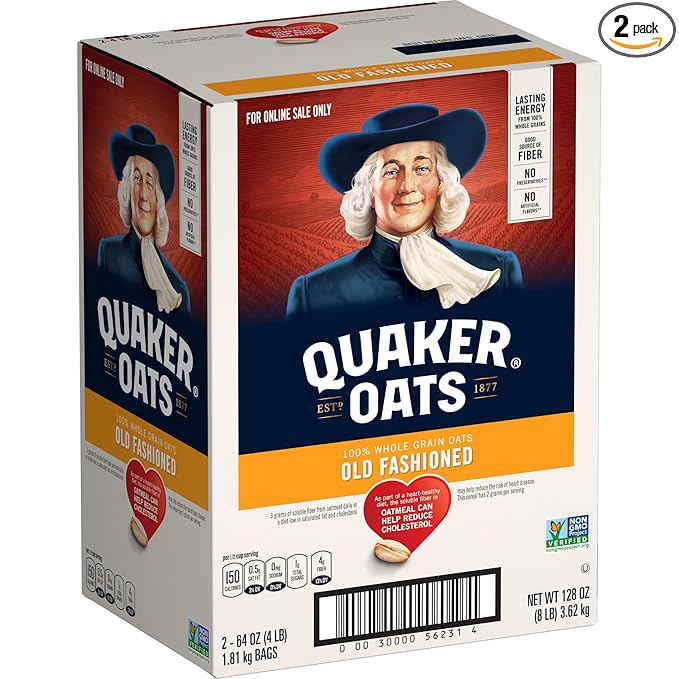
A bowl of oatmeal isn't just a comforting breakfast—it's one of the most effective cholesterol-lowering foods you can eat. Both oats and barley are rich in a type of soluble fiber called beta-glucan. This fiber binds to cholesterol-rich bile acids in your digestive tract and helps remove them from your body, so less cholesterol ends up in your bloodstream. Dietitians recommend aiming for at least 3 grams of beta-glucan per day—that's about one and a half cups of cooked oatmeal. Barley works the same way, so feel free to swap it into soups or stews.
2. Fatty Fish: Omega-3s That Support Heart Health
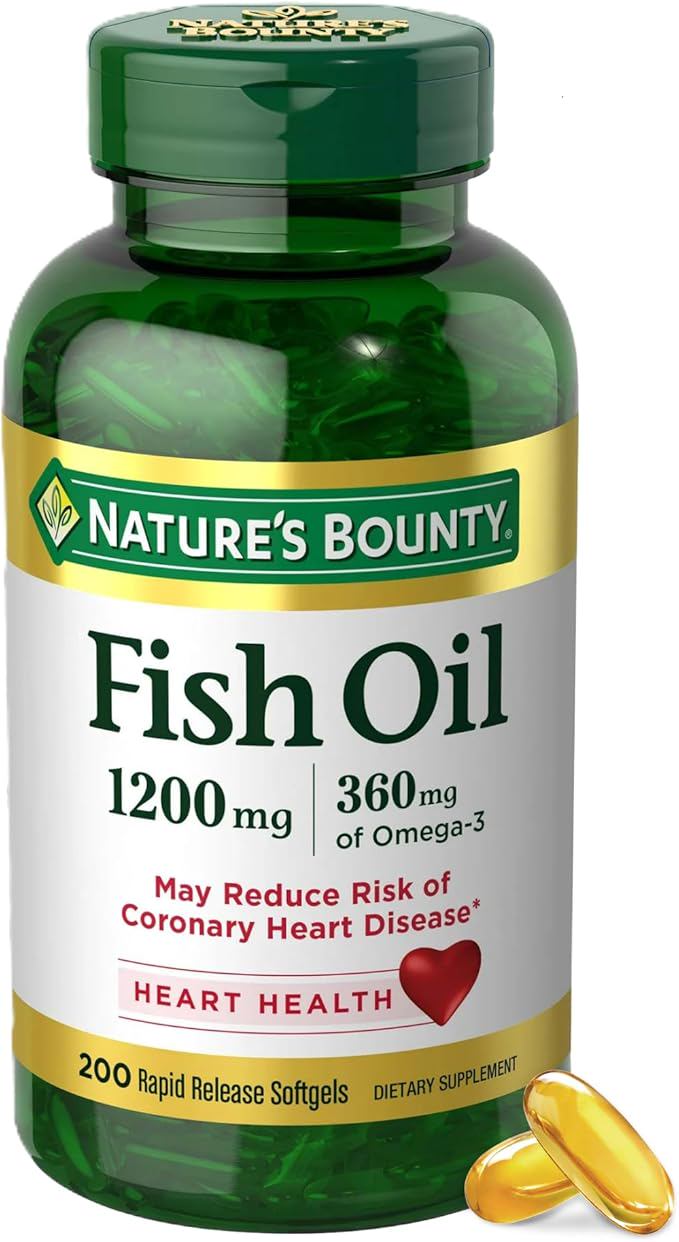
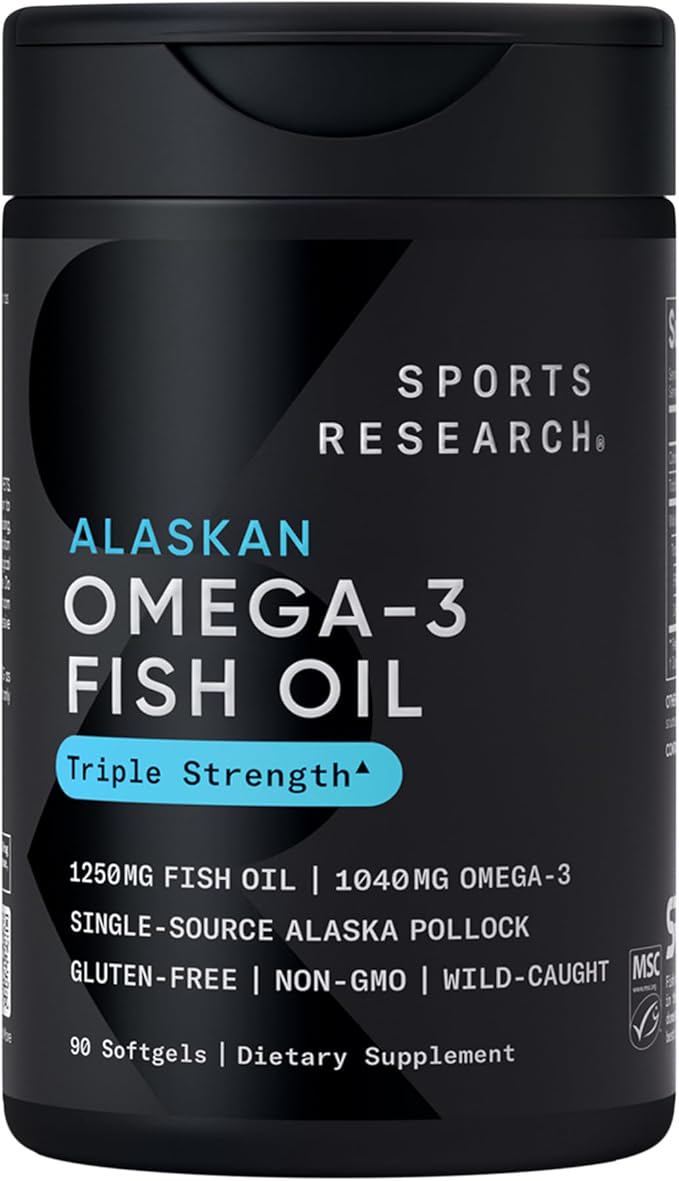
Salmon, mackerel, sardines, and albacore tuna are some of the best sources of omega-3 fatty acids. While omega-3s don't directly lower LDL cholesterol, they do help reduce triglycerides, lower blood pressure, and protect the heart from inflammation and arrhythmias. Dietitians suggest eating at least two servings of fatty fish per week. Don't like fish? A high-quality fish oil supplement can be a backup—but food sources are generally more effective because of the way your body absorbs the nutrients.
3. Nuts: A Handful a Day Keeps Cholesterol in Check
Almonds, walnuts, and pistachios are the stars here. Nuts are packed with unsaturated fats, fiber, and plant sterols—all of which work together to help lower LDL cholesterol. Plant sterols block cholesterol absorption in the small intestine. A standard recommendation from dietitians is about a quarter cup (roughly one small handful) of unsalted nuts daily. Walnuts are especially notable because they're also rich in alpha-linolenic acid, a plant-based omega-3. Just watch the portion size—nuts are calorie-dense.
4. Legumes: Beans, Lentils, and Chickpeas
Beans aren't just cheap and filling—they're also a fantastic source of soluble fiber. A cup of cooked black beans gives you around 5 grams of fiber. Lentils and chickpeas are equally effective. The fiber in legumes helps lower LDL cholesterol by limiting how much cholesterol your body reabsorbs during digestion. Dietitians suggest adding beans to salads, soups, or even veggie burgers. If you're not used to eating much fiber, introduce them gradually to avoid digestive discomfort.
5. Avocados: More Than Just Toast Topper
Avocados are rich in monounsaturated fats, which have been shown to lower LDL cholesterol while maintaining or even raising HDL (the “good” cholesterol). In one study, eating one avocado a day for five weeks helped participants lower their LDL cholesterol by about 13.5 mg/dL. You don't need to eat a whole avocado—add half to a salad, spread some on whole-grain toast, or blend it into a smoothie. Just be mindful of the calorie count; it's easy to overdo it.
6. Plant Sterol–Fortified Foods
Some orange juices, yogurt drinks, and margarine spreads have plant sterols or stanols added to them. These compounds are structurally similar to cholesterol and compete with it for absorption in your intestines. The result: less cholesterol enters your bloodstream. Dietitians say that consuming about 2 grams of plant sterols a day can lower LDL cholesterol by 5 to 10 percent. Check the label for “plant sterols” or “plant stanols.” This is one area where a fortified food really can outperform the whole-food version.
No single food will solve high cholesterol on its own. The real benefit comes from eating these foods regularly as part of a pattern that’s low in saturated and trans fats, high in fiber, and rich in whole foods. If you’re also cutting back on processed meats, fried foods, and sugary snacks, these six foods will work even harder for you. And as always, talk with your healthcare provider or a registered dietitian before making major dietary changes—especially if you're already on cholesterol medication.