
Your heart valves work tirelessly, opening and closing with every beat to keep blood flowing in the right direction. Over time, natural wear and tear, calcium buildup, and inflammation can stiffen or narrow these delicate structures—a process that often speeds up as we age. While no food can reverse advanced valve disease, emerging research suggests that certain nutrients may help maintain the flexibility and function of valve tissue.
The foods below are backed by studies on collagen structure, calcium metabolism, and anti-inflammatory pathways. They are not a substitute for medical care, but they can be a thoughtful part of a heart-supportive diet. As always, talk with your cardiologist before making significant dietary changes, especially if you have a known valve condition.
1. Dark, leafy greens for vitamin K and calcium regulation
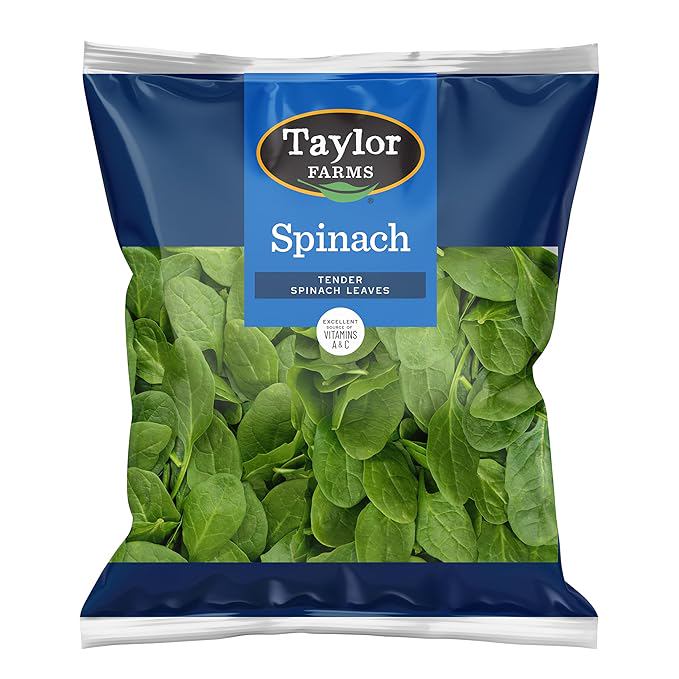
Spinach, kale, Swiss chard, and collard greens are rich in vitamin K1, a nutrient that helps activate proteins that keep calcium in your bones and out of your soft tissues—including your heart valves. When calcium deposits build up on valve leaflets (a process called calcification), the valves can become stiff and less able to open fully. This is especially common in aortic stenosis.
Vitamin K-dependent matrix Gla protein (MGP) is one of the body’s main inhibitors of vascular calcification. To make MGP work, your body needs adequate vitamin K. Pair your greens with a small amount of healthy fat—olive oil or avocado, for example—to help absorb fat-soluble K1. Aim for at least one generous serving of leafy greens per day.
2. Fatty fish for omega-3s and anti-inflammatory support
Salmon, mackerel, sardines, and herring deliver long-chain omega-3 fatty acids (EPA and DHA). These fats are known to reduce systemic inflammation, which may slow the degenerative changes that affect valve tissue. Chronic low-grade inflammation can damage the endothelium (the inner lining of blood vessels and, by extension, valves) and promote fibrosis—scar-like stiffening.
Observational studies have linked higher omega-3 intake with lower risk of aortic valve calcification. Eating two 3-ounce servings of fatty fish per week is a common recommendation from cardiology organizations. If you do not eat fish, algae-based DHA supplements are an alternative, but discuss dosing with your doctor.
3. Berries for antioxidant protection of connective tissue
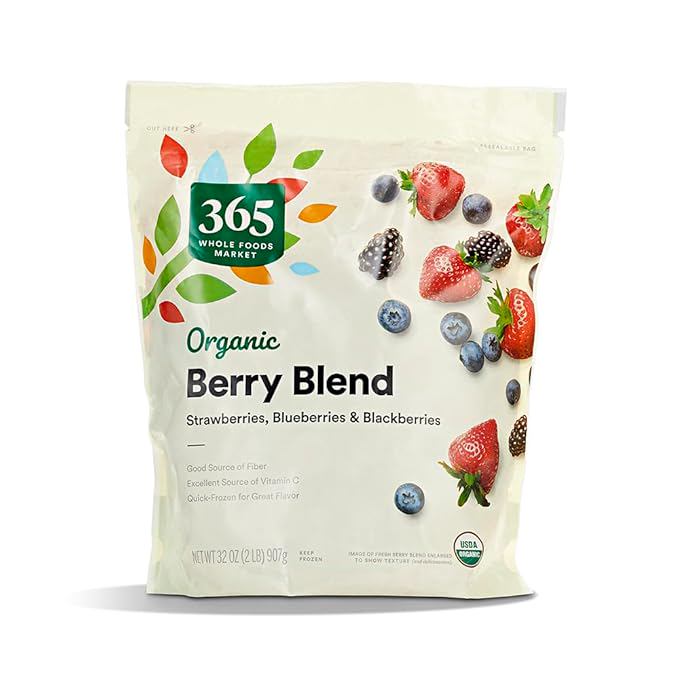
Blueberries, strawberries, raspberries, and blackberries are packed with flavonoids, particularly anthocyanins. These compounds neutralize oxidative stress—a process that damages collagen and elastin, the two proteins that give heart valves their strength and elasticity. Oxidative stress is thought to be a key driver of age-related valve degeneration.
The antioxidants in berries also help protect the endothelial cells that line the heart and valves. Eating a half-cup of fresh or frozen berries daily is a simple way to add protective polyphenols. Frozen berries retain most of their antioxidant activity, so they are a good year-round option.
4. Nuts and seeds for magnesium and healthy fats
Almonds, walnuts, flaxseeds, and chia seeds provide magnesium, a mineral that helps regulate calcium transport in cells. When magnesium levels are low, calcium can accumulate in heart tissue more readily. Magnesium also supports normal heart rhythm and blood pressure—both important for reducing mechanical stress on already vulnerable valves.
Walnuts and flaxseeds offer alpha-linolenic acid (ALA), a plant-based omega-3 that may complement the anti-inflammatory effects of fish-derived EPA/DHA. A small handful of nuts (about 1 ounce) or a tablespoon of ground flaxseed per day is a reasonable serving. Choose unsalted versions to keep sodium in check.
Remember: a heart-healthy diet works best when it’s part of an overall pattern—plenty of vegetables, whole grains, lean protein, and limited ultra-processed foods. These four food groups target specific pathways related to valve aging, but they are not a cure. Regular checkups, including echocardiograms if your doctor recommends them, remain the cornerstone of valve health monitoring.