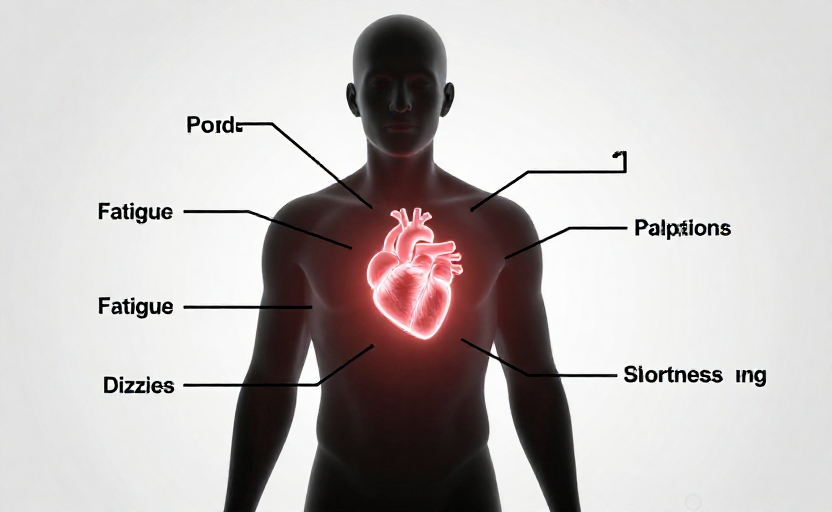
Atrial fibrillation, or AFib, is one of the most common heart rhythm disorders, affecting millions of people. However, one of the reasons it often goes undiagnosed until a serious event occurs is that its early warning signs can be subtle, fleeting, and easily confused with other, less serious conditions. You might dismiss a flutter in your chest as anxiety, blame fatigue on a poor night's sleep, or assume shortness of breath is simply from being out of shape.
Recognizing the distinct ways AFib can present itself—especially when it mimics other common ailments—is a critical step in getting an early diagnosis and reducing your risk of stroke and heart failure. Here are six early warning signs of AFib that often feel like something else entirely.
1. A fluttering or racing heart you attribute to anxiety or caffeine
One of the most classic AFib sensations is a rapid, irregular heartbeat—often described as a fluttering, quivering, or “fish flopping” in the chest. Because the onset can be sudden, many people instinctively chalk it up to a panic attack, stress, or having had one too many cups of coffee.
The key difference lies in the pattern. Anxiety-related palpitations often correlate with a specific stressful trigger and tend to fade once you calm down. With AFib, the heart rate can spike without any emotional trigger and may stay elevated or irregular for minutes or hours at a time. If your heart feels like it's skipping beats or racing for no apparent reason—especially if the sensation comes and goes unpredictably—it's worth discussing with your doctor.
2. Unexplained fatigue that feels like burnout or aging
Fatigue is the most common symptom people with AFib report, yet it’s also the easiest to write off. When your atria aren't pumping efficiently, your body receives less oxygen-rich blood, which can leave you feeling drained, foggy-brained, or unusually heavy in your limbs.
Many people assume they're just overworked, not sleeping well, or that it's a normal part of getting older. But if you find that everyday tasks—like walking up a flight of stairs or carrying groceries—leave you more exhausted than they used to, and the tiredness persists despite good rest, AFib could be a hidden factor. Pay attention if fatigue appears alongside other subtle signs like mild dizziness or a sense of unease.
3. Shortness of breath that you mistake for being out of shape
Feeling winded after climbing a hill or carrying a heavy box is normal. But when AFib is involved, you might feel short of breath during very light activity or even at rest. This happens because blood can back up in the lungs when the heart's upper chambers aren't contracting properly, making breathing feel labored.
It's easy to misinterpret this as deconditioning, asthma, or seasonal allergies. However, AFib-related shortness of breath often has a distinct onset. If you suddenly feel like you can't catch your breath while doing something you used to handle easily—or if you wake up gasping for air at night—it's a red flag that warrants a medical evaluation.
A quick clue: AFib breathlessness often improves when you lie down or sit still, whereas lung-based issues like asthma often worsen at night or with activity.
4. Dizziness or lightheadedness you blame on dehydration or low blood sugar
When your heart rhythm is irregular, it can intermittently fail to pump enough blood to your brain, leading to feelings of faintness, dizziness, or vertigo. These episodes are often brief—lasting just a few seconds or minutes—so it’s easy to assume you just didn’t drink enough water or that you need a snack.
Yet AFib-related dizziness doesn't always correlate with meals or hydration levels. It may come on when you stand up quickly or during moments of rest. If you experience sudden spells of lightheadedness—even when you're well-hydrated and have eaten recently—coupled with any other symptom on this list, consider documenting the timing and discussing it with a healthcare provider.
5. Chest pressure or discomfort that feels like indigestion or muscle strain
Not all AFib symptoms involve a racing heart. Some people experience a vague but persistent chest discomfort—pressure, tightness, or a dull ache—rather than sharp pain. This sensation frequently gets mistaken for heartburn, a pulled chest muscle, or even anxiety.
Heartburn typically occurs after eating and is often relieved by antacids, while AFib-related chest pressure tends to be independent of meals. If the sensation is accompanied by a sense of fullness in the neck or a feeling that your heart is “working too hard,” it’s wise to treat it as more than simple indigestion.
6. A mild sense of confusion or brain fog you attribute to stress or lack of sleep
When the brain receives an irregular blood supply due to AFib, cognitive symptoms like poor concentration, forgetfulness, or feeling “off” can occur. Men and women both experience this, but research suggests women with AFib are more likely to report subtle cognitive complaints early on.
This brain fog is often brushed aside as a bad night's sleep, too much screen time, or general mental overload. But when it persists or appears intermittently alongside other mild symptoms, it may signal that your heart isn't delivering a steady flow of oxygen to your brain. If your thinking feels fuzzy and you've also noticed heart flutters, fatigue, or shortness of breath, make sure to mention all the symptoms together to your doctor.
When to take action
The tricky thing about AFib is that many people have “silent” episodes—symptom-free periods where the heart is still in an irregular rhythm. For others, symptoms come and go over weeks or months. Because AFib significantly increases the risk of blood clots and stroke, it's vital not to wait until symptoms become severe.
Home monitoring devices, such as a smartwatch with ECG capability or a personal event monitor, can help detect irregular rhythms that you might not feel. If you suspect AFib, ask your primary care provider about a Holter monitor or an event recorder for a more complete picture. Early diagnosis can make a huge difference in managing the condition and protecting your long-term heart health.