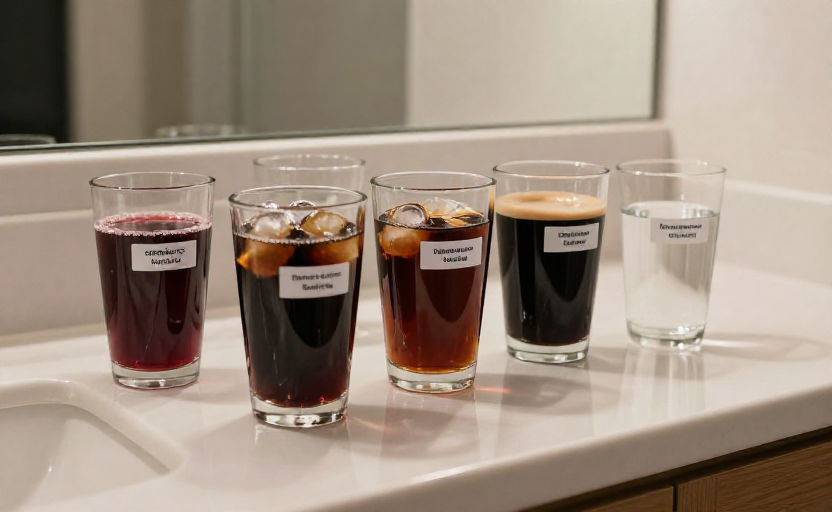
Preparing for a routine sexual health screening is straightforward for the most part, but what you drink in the hours beforehand can actually affect the accuracy of certain tests. While it is always wise to follow the specific instructions your clinic provides, there are a few common beverages that are generally best avoided before a urine-based or blood-based STI test. Below is a practical guide to six drinks you should skip before your appointment to help ensure clear, reliable results.
Why does what you drink matter?
Many routine sexual health screenings use a urine sample to test for infections such as chlamydia and gonorrhea. What you consume can dilute the sample, alter the pH, or introduce substances that may interfere with the lab analysis. Similarly, some blood tests can be affected by hydration levels or certain compounds in beverages. Steering clear of these six drinks helps the lab get an accurate read on your health.
1. Cranberry juice
Cranberry juice is often praised for urinary tract health, but it can be problematic before a screening. Its high acidity and natural compounds may temporarily change the composition of your urine, potentially interfering with the ability of certain tests to detect bacterial DNA or antigens. It is best to hydrate with plain water instead.
2. Energy drinks and highly caffeinated sodas
Beverages loaded with caffeine—think energy drinks, colas, and some teas—act as diuretics, meaning they can make you urinate more frequently. This can result in a very dilute urine sample, which might not have a high enough concentration of any bacteria present for the test to pick up. Stick to water to maintain a normal hydration level.
3. Grapefruit juice
Grapefruit juice is known for its ability to affect how the body processes certain medications, but it can also alter the pH and enzyme activity in the urinary tract. While research is still evolving, many clinics recommend avoiding it before a urine test to prevent any potential interference with the biochemical markers used in screening panels.
4. Alcohol
Alcohol is a strong diuretic and can dehydrate you, leading to concentrated urine that may complicate the testing process—not to mention its broader effects on the body. For the most accurate results, avoid any alcoholic beverages for at least 24 hours before your screening. This also ensures you are in a clear-headed state for discussing your history with the clinician.
5. Citrus juices (orange, lemon, and lime)
Fresh citrus juices are acidic and can temporarily alter the pH balance of your urine. Some rapid tests or culture-based methods are sensitive to pH changes, and a highly acidic sample might affect the growth of certain bacteria in the lab. If you want a flavorful beverage, choose a mild herbal tea or plain water.
6. Artificially sweetened drinks
Diet sodas, flavored sparkling waters, and other beverages sweetened with artificial sweeteners (like aspartame or sucralose) can introduce unusual metabolites into your urine. These metabolites may not interfere with every screening method, but they are unnecessary variables. To keep things simple, opt for water without any additives.
What you should drink instead
The safest choice before a routine sexual health screening is plain, clean water. Water keeps you hydrated without adding any substances that could affect the sample. If you are nervous and need to drink something, stick to water up until about an hour before your appointment. Avoid drinking excessive amounts, as an overly full bladder can be uncomfortable and might lead to a very dilute sample.
A quick tip: Ask your clinic for specific pre-test instructions when you book your appointment. Some tests have unique requirements, and the staff can tell you exactly what to avoid and for how long.
How long before the test should you avoid these drinks?
Most healthcare providers recommend avoiding the drinks listed above for at least 2 to 4 hours before a urine test. For blood tests, a longer window (overnight or 8–12 hours) may be advised, especially if the test includes a fasting component beyond just the STI panel. Always confirm the timing with your clinician.
Final thoughts
Preparing for a sexual health screening is simple once you know what to skip. By avoiding cranberry juice, energy drinks, grapefruit juice, alcohol, citrus juices, and artificially sweetened beverages, you help ensure that your urine or blood sample gives the laboratory a clean, accurate picture of your health. Hydrate with water, follow your clinic’s guidance, and you will be set for a smooth appointment.