Living with polycystic ovary syndrome (PCOS) often means dealing with a handful of frustrating symptoms at once, and for many women, persistent acne is one of the most visible and stubborn ones. The hormonal shifts that come with PCOS—particularly higher levels of androgens like testosterone—can send the skin's oil production into overdrive, setting the stage for inflamed breakouts along the jawline, chin, and neck.
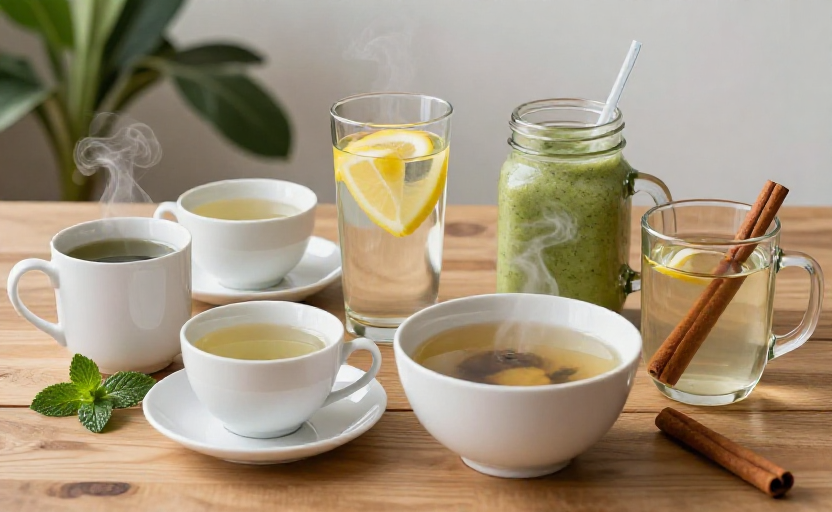
While no single drink or food is a cure for PCOS acne, the beverages you choose each day can either help balance the underlying factors (inflammation, insulin resistance, and hormone excess) or make them worse. Here are six drinks that, based on current research and nutritional science, may help calm PCOS-related acne flare-ups when included as part of a larger wellness routine.
1. Spearmint Tea
Spearmint tea has gained serious attention in the PCOS community for its potential to reduce free androgen levels. A small but influential 2010 study found that women who drank two cups of spearmint tea daily for five days experienced a significant drop in their free testosterone levels. Excess testosterone is a major driver of acne in PCOS because it stimulates the sebaceous glands to produce more sebum—the oily substance that can clog pores and feed acne-causing bacteria.
Try drinking two cups of organic spearmint tea throughout the day, giving it a solid 5–10 minute steep to extract the active compounds. While long-term data is still building, it's a gentle, caffeine-free option that supports hormone balance without side effects for most people.
Keep in mind: spearmint tea is not recommended during pregnancy or if you are trying to conceive, as its effect on hormones could theoretically interfere. Check with your healthcare provider if you're unsure.
2. Green Tea
Green tea is loaded with polyphenols called catechins, particularly epigallocatechin gallate (EGCG). These compounds have been shown to reduce inflammation and lower insulin resistance—two factors that are deeply connected to PCOS acne. When insulin levels spike, the ovaries are triggered to produce more androgens, which worsens breakouts.
EGCG also has anti-androgen effects on the skin itself, meaning it may directly reduce sebum production at the pore level. Aim for one to two cups of high-quality, unsweetened green tea per day. Matcha green tea is an especially concentrated source of catechins if you want to get more benefit from a smaller volume.
Make sure to skip added sugars, honey, or flavored syrups; sweeteners can spike insulin and counteract the benefits.
3. Cinnamon-Infused Water or Herbal Tea
Cinnamon is one of the most studied spices for blood sugar regulation, and stable blood sugar is critical for PCOS acne management. When blood sugar drops or spikes, insulin follows suit—and high insulin promotes androgen production and inflammation.
You can steep a cinnamon stick (or a half teaspoon of ground Ceylon cinnamon) in hot water for a warming, sweet-tasting drink. Let it sit for 10 minutes before drinking. Some people also add a splash of lemon or a few slices of fresh ginger for extra anti-inflammatory benefits. Just don't add sugar.
Ceylon cinnamon is preferred over Cassia cinnamon for daily use, as it contains far lower levels of coumarin, a compound that can stress the liver in large amounts.
4. A Simple Green Smoothie (with Low-Glycemic Ingredients)
A well-constructed green smoothie can deliver a concentrated dose of antioxidants, fiber, and anti-inflammatory nutrients without spiking blood sugar. For PCOS acne, the key is keeping the glycemic load low, which means skipping high-sugar fruits like bananas and mangoes in large quantities.
Build your smoothie around a base of leafy greens (spinach or kale), unsweetened almond milk or coconut water, a moderate handful of berries (low glycemic), and a tablespoon of ground flaxseed or chia seeds for extra fiber and omega-3s. Flaxseeds are especially helpful in PCOS because their lignans may help lower free testosterone levels and balance estrogen.
If you tolerate dairy, consider adding unsweetened Greek yogurt for protein and probiotics—there's some evidence that gut health influences skin inflammation. But skip commercial fruit juices, which are sugar bombs.
5. Bone Broth
Bone broth might seem like an odd choice for acne, but it shines in PCOS for its gut-soothing and anti-inflammatory properties. The collagen and gelatin in bone broth help heal the gut lining, which is important because leaky gut (increased intestinal permeability) is more common in PCOS and can trigger systemic inflammation—including skin inflammation.
Additionally, the glycine and proline in bone broth support the body's natural detoxification pathways, which may help reduce the inflammatory load that contributes to breakouts. Drink 6–8 ounces of warm bone broth in the afternoon as a snack or in the evening. Opt for homemade or store-bought versions with no added sugars or artificial flavors.
Bone broth is not typically made from the bones of animals. It is made by simmering animal bones and connective tissue. If you follow a plant-based diet, a good alternative is a miso-based broth, which also provides probiotics and gut support.
6. Water (Infused with Lemon or Cucumber)
Plain water might sound unexciting, but it remains one of the most underrated drinks for managing PCOS-related acne. Dehydration causes your skin to produce more concentrated sebum, which is thicker and more likely to clog pores. Proper hydration also helps insulin work more efficiently, which can reduce the hormonal cascade that leads to breakouts.
If plain water doesn't appeal to you, infuse it with fresh lemon slices, cucumber, or a few sprigs of mint. These add a subtle flavor with no sugar, and lemon provides a dose of vitamin C, which supports collagen production and skin repair. Aim for roughly 8–10 cups of total hydrating fluids per day, adjusting for your activity level and climate.
What to Keep in Mind
These drinks are meant to support an overall approach to managing PCOS acne—they're not standalone treatments. Pair them with a nutrient-dense diet low in ultra-processed foods and added sugars, a consistent sleep schedule, regular physical activity, and a solid skincare routine that respects your skin barrier.
Every woman's PCOS is a little different; note how your skin responds over a few weeks and find the beverages that work best for your body. If your acne is severe or not responding to lifestyle adjustments, it's wise to see a dermatologist or an endocrinologist who understands PCOS-specific skin concerns.