
Many people believe that meal planning requires a full Sunday afternoon spent chopping vegetables and labeling containers. In reality, the most sustainable systems are built on small, daily adjustments that reduce friction before you ever reach the kitchen counter. By shifting a few low-effort habits, you can transform meal planning from a chore into something that happens almost automatically.
Name Your Meals the Night Before
The single most effective adjustment is deciding what you will eat for dinner at least twelve hours in advance. This is not a full meal prep session—it is simply a choice and, if possible, a note. Before you go to bed, open the refrigerator, look at what is available, and mentally commit to one meal. If you have the energy, move proteins from the freezer to the fridge or rinse a grain. The next day, the decision is already made, and you skip the 5 p.m. paralysis that leads to takeout.
Build a Five-Minute Ingredient Audit Into Your Morning
While your coffee or tea brews, spend exactly five minutes looking at your pantry, fridge, and counter. Note what is about to go bad and what is missing. This is not a grocery list—it is a mental inventory. Over time, this habit trains you to buy only what you will actually use, which reduces food waste and lowers the mental load of planning because you always know what you have.
Shelf-awareness trick: Keep a small whiteboard on the refrigerator. Write down three ingredients that are closest to expiring. Those become the base of your next meal.
Store Ingredients by Intended Use, Not by Category
Most kitchens store onions with onions and cans with cans. That makes sense for grocery shopping, but it does nothing for meal planning. Try grouping ingredients by how you actually cook: place all stir-fry items together, all soup ingredients in one bin, and all breakfast components in one basket. When you open a container and see a full stir-fry kit, your brain immediately sees a meal instead of a list of random items.
Keep a Running List of Three Quick Meals
Every home cook has a handful of meals that can be made from pantry staples in under fifteen minutes. Write down exactly three of those and keep them visible. When the plan falls apart, you skip the search for inspiration and go straight to one of your three safeties. This is not a rigid prescription—it is a mental shortcut that prevents decision fatigue on low-energy days.
Batch Your Chopping by Habit, Not by Schedule
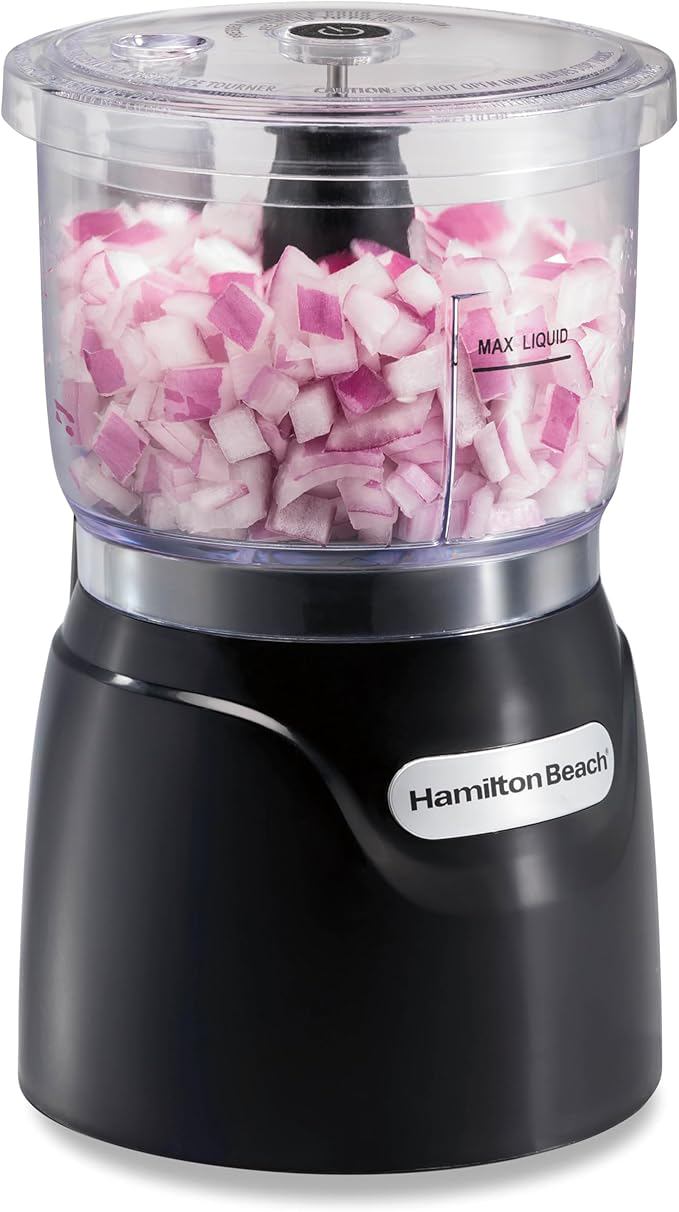
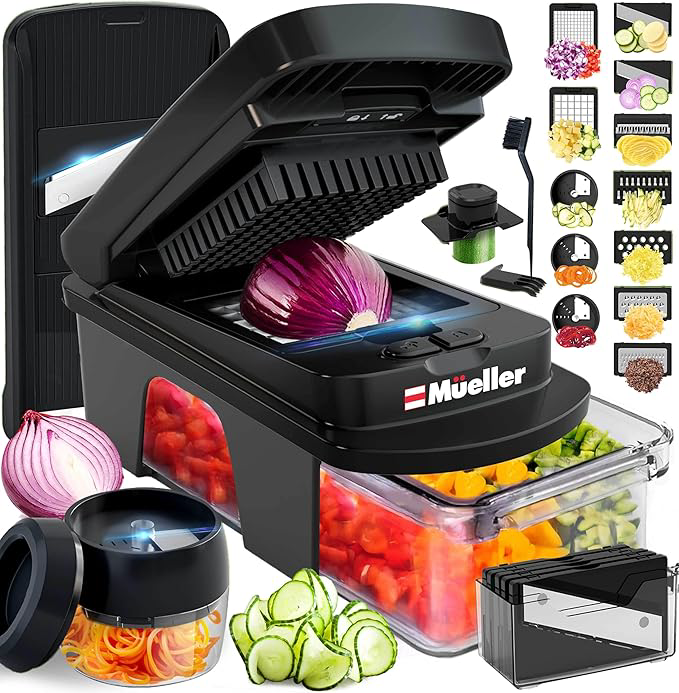
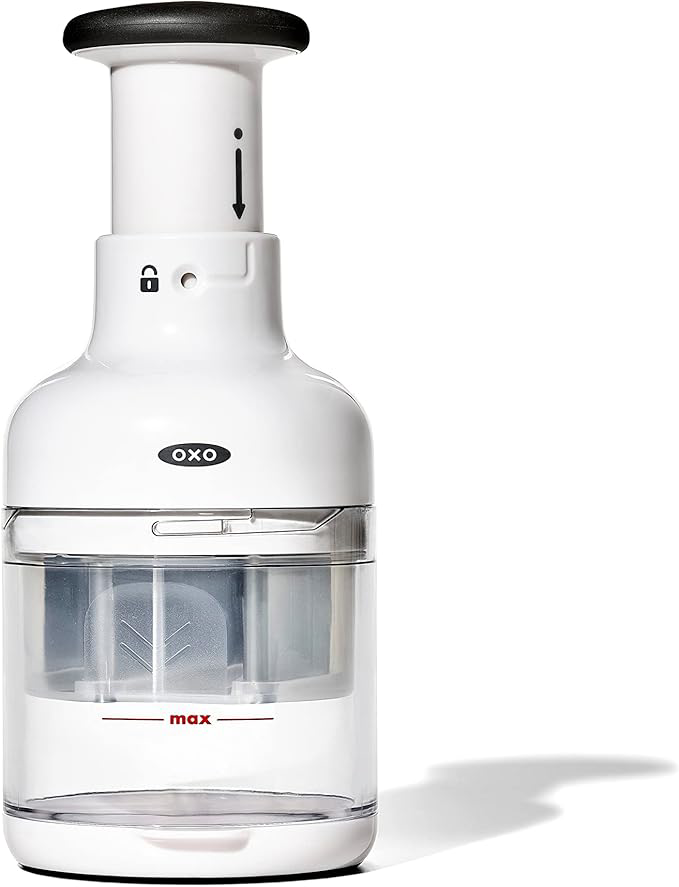
Most meal-prep advice tells you to set aside two hours on a weekend. That works for some, but for many people it feels like a burden. Instead, get into the habit of chopping one or two vegetables whenever you are already waiting for something to cook. While your pasta water boils, chop the bell pepper. While the oven preheats, slice the onion. Over a few days, you accumulate a fridge full of prepped produce without ever sitting down to a prep session.
Set One Daily Anchor Meal
Choose one meal per day that will be the same or very similar for most of the week. It does not have to be boring—just consistent. For example, oatmeal for breakfast or a grain bowl for lunch. When one meal is always handled, the remaining decisions become lighter. The anchor meal acts as a calorie and time stabilizer so you do not need to start from zero every morning.
These adjustments work because they do not ask you to adopt a completely new system. They simply modify behaviors you already have. Over the course of two weeks, the accumulated effect is that meal planning begins to feel like something you do effortlessly because the decisions and the preparation are distributed across your daily life rather than stacked into one overwhelming event.