If you have PCOS, you know the feeling: your cycle is unpredictable, your skin is breaking out, and your energy crashes after meals. Underneath those symptoms lies a core problem—hormonal imbalance. But what exactly is driving that imbalance in the first place?
Let's look at six of the most common causes, and what you can actually do about each one.
1. Insulin resistance is the driver for most people
Insulin resistance is the single most common root of hormonal trouble in PCOS. When your cells stop responding to insulin normally, your pancreas pumps out more and more insulin to compensate. That extra insulin tells your ovaries to produce more testosterone, while suppressing your liver's production of sex hormone-binding globulin (SHBG). Less SHBG means more free testosterone roaming around.
You'll often see high fasting insulin, normal or high glucose, acanthosis nigricans (dark velvety patches on the neck or knuckles), or stubborn weight around the middle. The fix isn't a magic pill—it's a consistent approach to lowering that insulin level.
The core strategy: Reduce the amount of sugar and starch entering your bloodstream at each meal. Protein, fiber, and fat slow down glucose absorption.
Try building each meal around a palm-sized protein source (chicken, fish, eggs, tofu), plenty of non-starchy vegetables, and a moderate serving of beans, lentils, or starchy veg if you tolerate them. Consider adding 10–15 minutes of walking after meals; even that small amount can lower the post-meal insulin spike.
2. Chronic inflammation keeps the cycle stuck
PCOS is now considered a low-grade inflammatory condition. Adipose tissue—especially belly fat—releases inflammatory markers like TNF-alpha and interleukin-6. These cytokines mess with insulin signaling and directly stimulate the ovaries to make more androgens (male hormones).
You might not feel "inflamed" in an obvious way, but you might have joint aches, brain fog, fatigue, or stubborn skin irritation. The goal is to dampen that systemic fire without resorting to harsh anti-inflammatories.
Focus on long-chain omega-3s from fatty fish (salmon, sardines, mackerel) or a quality fish oil; magnesium-rich foods like spinach, pumpkin seeds, and dark chocolate; and spices like turmeric paired with black pepper. Cut back on industrial seed oils (soybean, corn, sunflower) and ultra-processed snacks—these are pro-inflammatory for many people with PCOS.
3. The gut microbiome is spilling trouble into your bloodstream
Emerging research shows that the gut microbiome in PCOS is different from the microbiome of an ovulating person. You tend to have lower microbial diversity and more bacteria that produce something called LPS (lipopolysaccharide)—a toxin that can "leak" through a compromised gut lining and trigger inflammation. That inflammation then stokes insulin resistance and raises androgen levels.
To support a healthier gut:
Eat a wide variety of plant fibers (30+ different plant foods per week is an ambitious but worthwhile target), include fermented foods like sauerkraut, kimchi, or yogurt, and consider a spore-based probiotic or Saccharomyces boulardii if you have a history of antibiotic use or digestive symptoms. Cutting back on artificial sweeteners and emulsifiers (often in protein bars, low-cal dressings, and “diet” foods) can also help restore barrier function.
4. The liver's hormone filtration system is overloaded
Your liver is responsible for clearing excess hormones (including testosterone) from your blood. If your liver is sluggish—overtaxed by high sugar intake, alcohol, environmental toxins, or extra fat—it won't recycle SHBG efficiently, and it won't break down used estrogen into safe metabolites.
People with PCOS who have fatty liver (very common) often have higher testosterone and lower SHBG, even after adjusting for body weight. Support liver detoxification by eating plenty of cruciferous vegetables (broccoli, cauliflower, Brussels sprouts, kale)—they contain sulforaphane, which helps the liver's phase II detox pathways. Stay hydrated, limit alcohol to absolute minimal or none, and get 7+ hours of sleep so the liver can do its nighttime cleanup work.
5. Sleep disruption turns your stress hormones against you
Poor sleep and PCOS feed each other. High androgens can cause sleep apnea (even in thin women), and fragmented sleep raises cortisol. Cortisol directly opposes progesterone and amplifies insulin resistance. You can end up in a spiral: can't sleep → high cortisol → high insulin → more androgens → worse sleep.
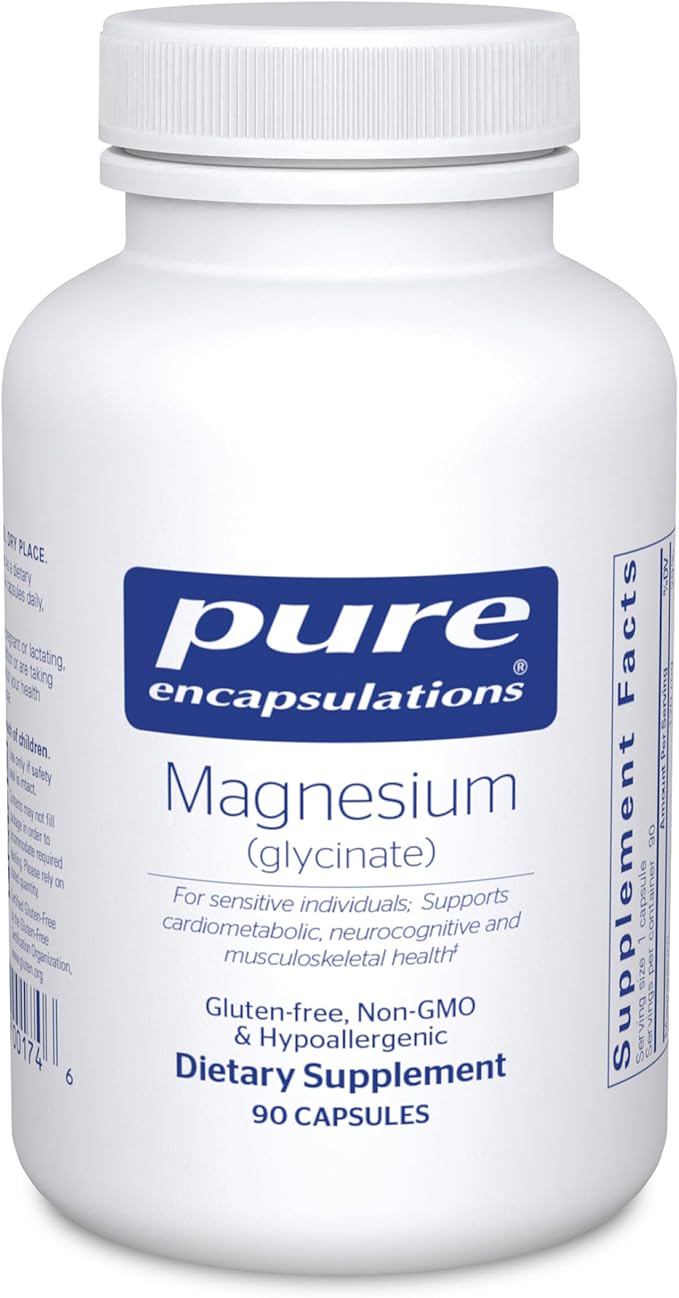
It is not about “trying harder” to sleep. If you snore, wake up gasping, or feel exhausted even after eight hours in bed, ask your doctor about a sleep study. For general sleep support: keep your bedroom cool (65–68°F), completely dark, and quiet; avoid blue-light screens for 60 minutes before bed; and consider 200–400 mg of magnesium glycinate or a cup of chamomile tea before bed. If racing thoughts are the issue, try writing down everything on a notepad to clear your head.
6. Environmental hormone disruptors are everywhere
This one doesn't get enough airtime. Endocrine-disrupting chemicals (EDCs) like BPA, phthalates, and PFAS (forever chemicals) mimic or interfere with your body's natural hormones. In PCOS, these chemicals can bind to the same receptors as your sex hormones, amplifying the effect of your already-messy hormonal signals.
You can't avoid them entirely, but you can cut the biggest sources:
Switch to glass or stainless steel water bottles (not plastic). Avoid microwaving food in plastic containers—heat leaches EDCs into food. Choose fragrance-free or "phthalate-free" cosmetics and cleaning products. Use a HEPA filter on your vacuum and consider a reverse-osmosis or activated-carbon water filter if you live in an area with known PFAS contamination. And for food storage: never reheat anything in the takeout container.
Putting it together: your daily lever system
You don't have to fix all six causes at once. Pick one—whichever feels most relevant to your body today—and commit to a single small change for two weeks. Perhaps you start with post-meal walks to address insulin resistance. Or you replace your plastic water bottle with a metal one. The key is consistency, not perfection.
Track one data point (your fasting glucose, a menstrual cycle symptom, or simply how you feel one hour after eating) so you can see whether the change is working. Adjust slowly. And always loop in a healthcare provider before making major dietary or supplement changes—especially if you are on medications like metformin, spironolactone, or birth control.
Your PCOS didn't show up overnight, and these underlying causes didn't either. Treat them with patience, respect, and a willingness to experiment.