
You’ve tried the sleep teas, the blackout curtains, and the strict 10 p.m. phone ban. Yet you still wake up groggy, irritable, or wide awake at 3 a.m. staring at the ceiling. Before you blame your stress levels or your late-night snacking habit, take a hard look at the room you’re sleeping in. The truth is, your sleep environment might be silently working against you—and you may not even realize it.
Sleep hygiene isn’t just about what you do; it’s about where you do it. Small, overlooked details in your bedroom can disrupt your circadian rhythm, fragment your deep sleep, and leave you running on empty. Here are five warning signs that your sleep environment needs a reset, and what you can do about them.
1. Your room temperature feels “fine” but not cool
Most people keep their thermostat set to what feels comfortable during the day—usually between 68°F and 72°F (20°C to 22°C). But your body needs a slightly cooler environment to initiate and maintain sleep. Your core temperature naturally drops as you drift off, and if your room is too warm, that process gets interrupted. The result? More nighttime awakenings and less restorative slow-wave sleep.
The fix: Aim for a bedroom temperature between 60°F and 67°F (15°C to 19°C). If that feels too cold for your partner or your preference, try using a cooling mattress pad or a breathable, natural-fiber sheet set. A small fan can also help circulate air without dropping the thermostat too low.
A cool room signals to your brain that it’s time to rest. A warm room signals the opposite, even if you don’t consciously feel overheated.
2. Light leaks are more common than you think
You might have blackout curtains, but what about the tiny LED on your smoke detector, the blue glow from your cable box, or the streetlight sneaking through a crack in the blinds? Even dim light—especially blue light—can suppress melatonin production and shift your sleep-wake cycle. Studies show that exposure to just 5 to 10 lux of light during the night can reduce sleep quality.
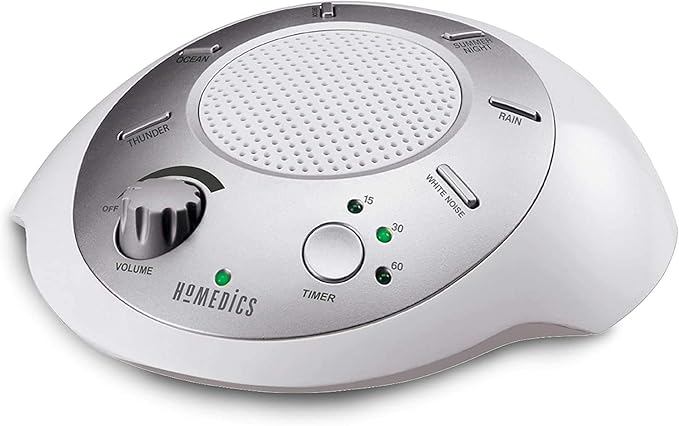
The fix: Do a “light audit” one hour before bed. Turn off unnecessary electronics, cover small indicator lights with electrical tape, and invest in a white-noise machine that doubles as a dim nightlight if you need one. If blackout curtains aren’t possible, a simple eye mask can work wonders.
3. Your mattress has become a silent troublemaker
Mattresses don’t last forever. After 7 to 10 years, the support structure degrades, creating subtle sags or uneven pressure points that you might not notice consciously—but your body does. These micro-discomforts cause you to shift positions more frequently during the night, pulling you out of deep sleep cycles without fully waking you. The result is a morning that feels like you never rested.
The fix: If your mattress is older than eight years and you wake up with stiffness or a vague sense of unrefreshment, it’s probably time for a replacement. Look for a model that suits your sleep position (side sleepers often need a softer comfort layer; back sleepers need medium-firm support). In the meantime, a quality mattress topper can extend its life by a year or two.
4. Noise is inconsistent (and you’ve learned to ignore it)
Our brains are wired to stay alert to novel or irregular sounds, even during sleep. A consistent, gentle hum from a fan or air purifier is actually sleep-friendly—it’s called white noise, and it masks more disruptive sounds. The problem is when noise is variable: a neighbor’s dog barking, a sudden car horn, or the creak of a settling house. These jolts can trigger micro-arousals that fragment your sleep architecture.
The fix: Introduce a consistent sound source. A white noise machine, a fan, or even a dedicated smartphone app with pink noise (which is a bit softer than white noise) can smooth out the sound environment. If you live in a noisy area, consider earplugs—but ensure you can still hear important sounds like a smoke alarm.
5. Your bedroom doubles as a digital command center
If you work, watch TV, scroll through social media, or eat dinner in your bed, your brain loses the connection between “bedroom” and “sleep.” This phenomenon is called stimulus control—or the lack of it. When your sleep environment is associated with alertness, anxiety (from work emails), or entertainment, your brain doesn’t get the clear signal that it’s time to wind down.
The fix: Reserve your bed strictly for sleep and intimacy. Move the work laptop to a desk in another room, charge your phone outside the bedroom, and remove the TV if possible. If you can’t relocate the TV, at least cover it at night. Your goal is to starve the room of anything that triggers wakefulness.
Fixing your sleep environment doesn’t require a full renovation. Often, one or two small changes—cooler temperature, softer light, a new pillow—can produce noticeable improvements within a few nights. But if you’ve been blaming your habits or your stress level for poor sleep, take a moment to examine the room. Sometimes the loudest signal is the one you’ve been ignoring.