
You already know that a short nap can do wonders for your alertness, mood, and memory. But have you ever woken up from a nap feeling groggy, unsatisfied, or just as tired as before? The quality of your post-nap recovery may depend on more than just the length of your sleep. What you eat before you rest—and when you eat it—can make a real difference in how refreshed you feel when you open your eyes.
Many people reach for quick energy sources like candy or coffee right before a nap, hoping to combine a brief rest with a boost. But that strategy often backfires, leading to a sugar crash or disrupted sleep. Dietitians who specialize in sleep and recovery nutrition recommend two specific foods that work gently with your body's natural rhythms to support a deeper, more restorative rest and a cleaner wake-up.
These choices are not about heavy meals or obscure superfoods. They are approachable, whole foods that provide the right kind of fuel for your downtime.
Why nap recovery is different from nighttime sleep recovery
When you nap during the day, you are not aiming for a full sleep cycle—you want a quick reset. The goal of a power nap is usually to reach light sleep stages without slipping into deep sleep, which can cause sleep inertia (that heavy, disoriented feeling upon waking). The foods you eat can influence how easily you transition through those stages and how stable your blood sugar remains during and after your rest.
Blood sugar dips during a nap can trigger a release of stress hormones like cortisol and adrenaline, pulling you out of sleep abruptly and leaving you feeling jittery or exhausted. Conversely, a steady supply of energy from the right nutrients helps your body stay in a calm, restorative state until you are ready to wake.
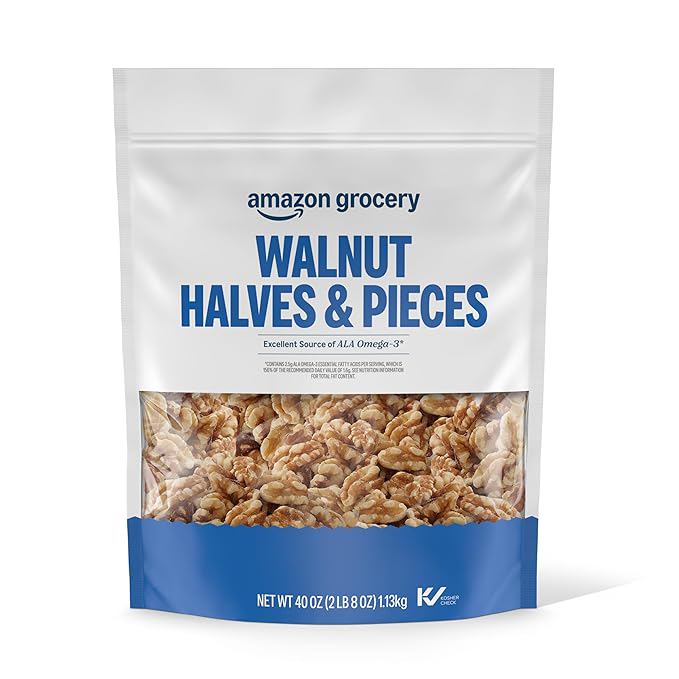
The first food: a handful of walnuts
Walnuts are one of the few plant sources rich in melatonin, the hormone that helps regulate your sleep-wake cycle. Unlike a melatonin supplement, whole walnuts provide that melatonin alongside healthy fats, fiber, and protein. This combination helps slow digestion and keeps your blood sugar stable during your nap.
The omega-3 fatty acids in walnuts—specifically alpha-linolenic acid (ALA)—are also known to support brain health and reduce inflammation. While the research on acute nap recovery is still emerging, dietitians point to the consistent finding that walnuts improve overall sleep quality and ease the transition into sleep, which can make your nap more efficient.
How to eat them: A small handful (about 1 ounce or a quarter cup) about 30 to 60 minutes before your nap works well. Pairing them with a piece of fruit or a small portion of plain yogurt can round out the snack without overloading your stomach.
The second food: a small portion of tart cherries
Tart cherries, particularly Montmorency cherries, are one of the few natural food sources that contain notable amounts of both melatonin and tryptophan. Tryptophan is an amino acid your body uses to make serotonin and melatonin, both of which are involved in sleep regulation. The combination of these compounds in tart cherries has been studied for its ability to increase sleep time and efficiency.
For nap purposes, the benefit lies in the gentle, non-sedating effect. Tart cherries do not knock you out like a sleep aid—they simply support your body's ability to fall asleep faster and stay in a lighter, more restorative stage. The natural sugars in the fruit provide a small energy lift that is released slowly, helping you avoid the blood sugar rollercoaster that often follows processed sweets.
How to eat them: About a half cup of tart cherry juice (unsweetened) or a small bowl of fresh or frozen tart cherries about 30 minutes before your nap. Be mindful of the sugar content in juice—diluting it with water or seltzer is fine. If you are watching your carbohydrate intake, stick with the whole fruit rather than juice.
Putting it together: a pre-nap snack strategy
You do not need to eat both foods before every nap. You can alternate based on what you have on hand or what sounds good. The key is to keep the snack light and eat it with enough time for your body to begin digestion before you lie down.
Think of it as a pre-nap ritual: a small, nutrient-dense snack that signals to your body that it is safe to rest, without overwhelming your digestive system.
If you tend to nap in the afternoon, avoid heavy meals or high-sugar foods within two hours of your rest. A large meal diverts blood flow to your stomach for digestion, which can interfere with the onset of sleep and make you feel heavy and sluggish upon waking.
What not to eat before a nap
Knowing which foods to choose is only half the picture. To maximize nap recovery, dietitians recommend steering clear of these before your rest:
- Caffeine – Even a small amount close to naptime can prevent you from falling asleep or disrupt the quality of your sleep. If you do have coffee or tea, finish it at least four hours before your nap.
- High-sugar snacks – Candy, pastries, and sweetened beverages cause a rapid spike in blood sugar followed by a crash, which can wake you up prematurely or leave you feeling drained.
- Spicy or heavy, fatty foods – These can cause indigestion or heartburn, making it difficult to relax and stay asleep for the duration of your nap.
- Large servings of protein – While protein is important for overall health, a high-protein meal right before a nap can be hard to digest and may interfere with the calming neurotransmitters you need to drift off.
Building a better nap habit
The foods you choose are part of a larger picture. For optimal nap recovery, keep these habits in mind:
- Keep naps short (10 to 20 minutes for a power nap, up to 90 minutes if you are catching up on sleep debt).
- Nap in a cool, dark, quiet environment.
- Aim to nap earlier in the day, before 3 p.m., to avoid interfering with your nighttime sleep.
- Hydrate before and after—water, not sugary drinks.
- Give yourself a few minutes to wake up fully before jumping back into activity.
Good nap recovery is about working with your body's biology, not against it. By choosing foods like walnuts and tart cherries, you are supporting the natural mechanisms that help you rest deeply and wake up refreshed—without the mid-afternoon slump.