
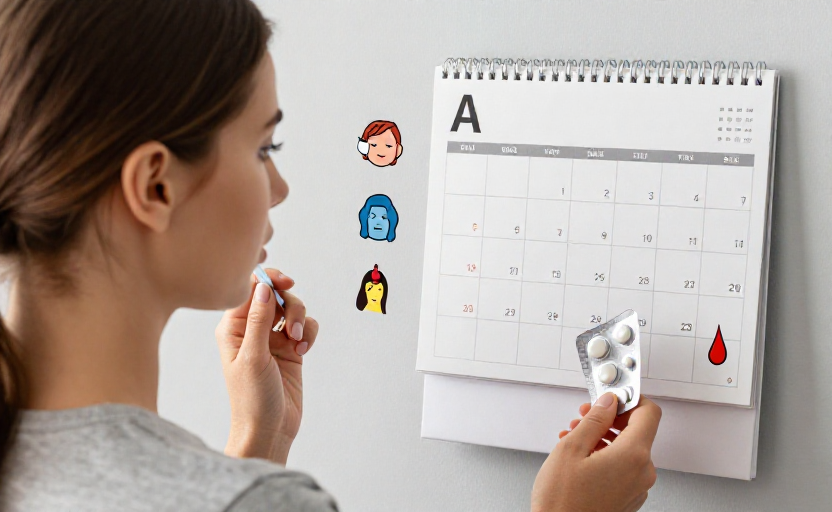
Hormonal birth control is a trusted and widely used method for preventing pregnancy, but it isn't a one-size-fits-all solution. Your body’s response to synthetic hormones can change over time, and what worked for you five years ago might be causing issues today. Many people dismiss subtle symptoms as normal side effects, but some warning signs suggest your method may not be a good match for your health.
Here are five signs that your hormonal contraceptive could be doing more harm than good.
1. Persistent mood changes or depression
Hormones have a powerful influence on brain chemistry. If you’ve noticed a steady decline in your mood, increased irritability, or symptoms of depression that started after you began a new contraceptive, pay attention. Some progestin-only methods, such as the implant or hormonal IUD, have been linked with mood disturbances in susceptible individuals. While some emotional fluctuation is common in the first few months, persistent sadness, loss of interest in activities, or thoughts of self-harm warrant a conversation with a healthcare provider. This is not something you should just push through.
2. Frequent or severe migraines (especially with aura)
Headaches can be a normal side effect when starting hormonal birth control, but if you are experiencing new-onset migraines or worsening patterns—particularly migraines with aura (visual disturbances like flashing lights or blind spots)—this is a red flag. Combination pills containing estrogen can increase the risk of stroke in people who get migraines with aura. If your headaches have intensified in frequency or severity, or if you notice visual symptoms, stop using estrogen-containing methods and speak with your doctor about progestin-only or non-hormonal alternatives.
3. Unusual bleeding patterns that don't stabilize
Irregular spotting or breakthrough bleeding is common during the first three to six months on a new method. However, if you are still experiencing prolonged, heavy, or unpredictable bleeding beyond that window, your current contraceptive may not be providing the right hormone balance for your body. This could mean the dose is too low, the progestin type isn't ideal for you, or there is an underlying issue such as a fibroid or infection. Consistently heavy bleeding can also lead to anemia, which brings its own set of health problems.
4. A significant drop in libido or vaginal dryness
Sexual desire is complex, but hormonal contraceptives can dampen it by lowering free testosterone in the bloodstream. If your interest in sex has noticeably declined since starting the pill, patch, or ring, or if you are experiencing persistent vaginal dryness that makes intercourse uncomfortable, the method may be suppressing your natural hormone levels more than is healthy for you. Lower libido is often dismissed, but it can strain relationships and diminish quality of life. Adjusting the type or dose of hormone can help restore balance.
5. Physical side effects that interfere with daily life
Some physical changes are expected, but when they become disruptive, they deserve attention. Warning signs include: persistent nausea that affects your appetite or ability to eat; breast tenderness that makes exercise or sleep difficult; significant weight gain (not just water retention) that occurs over several months; or skin changes such as severe acne when you had clear skin before. Also, if you are taking a progestin-only pill and experiencing symptoms like dizziness, fatigue, or ovarian cysts that cause pain, these could signal that the method isn’t right for you.
When to talk to your doctor
If any of these symptoms sound familiar, do not stop your birth control abruptly without having a backup plan. Make an appointment to discuss your experience. Your healthcare provider can help you explore other options—whether that means switching to a different hormone dose, trying a non-hormonal method like the copper IUD, or considering a permanent solution like tubal ligation (tubectomy). Keep a symptom diary for a few weeks before your visit; it gives your doctor clear, specific information to work with. You deserve a contraceptive that fits your life, not one that makes you feel unwell.