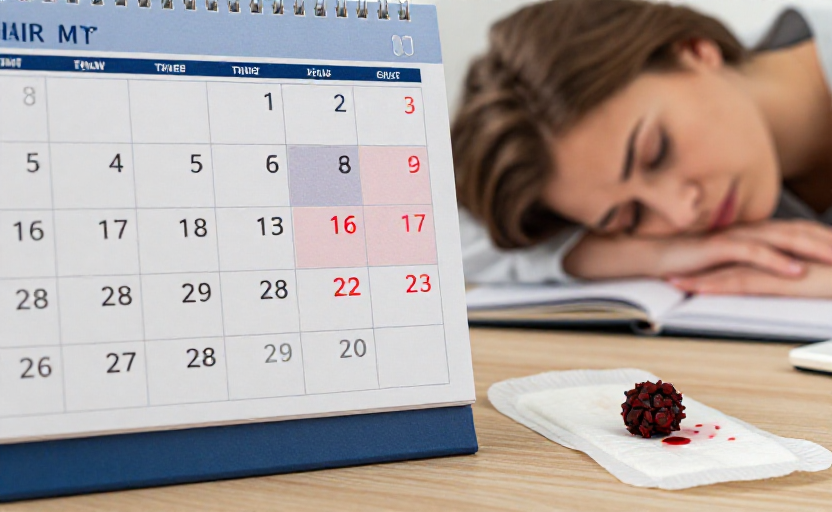
Many women experience heavy periods from time to time, but how do you know when the flow has crossed the line from normal to concerning? Heavy menstrual bleeding, also called menorrhagia, affects about one in five women. While occasional heavy flow can happen, certain warning signs suggest it’s time to check in with a healthcare provider. Recognizing these flags early can help you manage your health and, in some cases, prevent complications like iron deficiency or anemia.
What counts as heavy bleeding?
Before we get into the warning signs, it helps to understand what heavy bleeding actually means. Medically, heavy menstrual bleeding is defined as soaking through one or more pads or tampons every hour for several consecutive hours, or needing to change protection during the night. You might also pass large clots — bigger than the size of a quarter — or your period lasts longer than seven days. If you find that your flow interferes with your daily activities, that is another clue that something may be off.
Sign 1: You soak through pads or tampons every hour
If you are changing your pad or super-plus tampon every hour, or sooner, that is not normal. Particularly if this pattern continues for more than a few hours, it is a clear signal to seek medical advice. This degree of blood loss can quickly lead to significant fatigue, shortness of breath, and eventually anemia if left unchecked. Do not brush this off as “just a heavy period.”
Sign 2: You pass large blood clots
Passing a few small clots is fairly common during a period, but clots the size of a grape or larger — especially if they appear frequently — are a sign that bleeding is heavier than it should be. Large clots can indicate that your uterus is not contracting properly to stop the bleeding. This can sometimes be linked to conditions like fibroids, endometriosis, or a hormone imbalance. If you are passing clots regularly, mention the size and frequency to your doctor.
Sign 3: Your period lasts longer than a week
Most periods last between four and seven days. If your bleeding stretches beyond seven days — or you have spotting that goes on and on — it is worth a conversation with your provider. Prolonged bleeding can be a sign of a structural issue in the uterus, such as polyps or fibroids, or anovulation (when you don’t release an egg regularly). It is also a common reason for iron levels to drop.
Sign 4: You feel extremely tired, dizzy, or short of breath
Heavy blood loss every month can drain your body’s iron stores, leading to iron-deficiency anemia. If you constantly feel wiped out, dizzy, or lightheaded, or if you find yourself short of breath during normal activities, it may be because your red blood cell count is low. These symptoms should never be ignored, because anemia can affect your heart, energy, and overall well-being.
Sign 5: Heavy bleeding interferes with your daily life
Maybe you avoid going out during your period, call in sick, or skip exercise because you worry about leaking. You might need to set an alarm to change protection at night. If clots or heavy flow make you feel like you can’t live normally for several days each month, that is a valid reason to seek help. Menstruation should be manageable — it should not take over your schedule or cause you to constantly plan around it.
When in doubt, speak up. Heavy bleeding is not something you just have to put up with. Effective treatments exist, from hormonal options and medication to minor procedures, depending on the cause.
What could be causing the heavy bleeding?
A number of conditions can lead to menorrhagia. Uterine fibroids — noncancerous growths in the uterus — are a common culprit, especially in women in their 30s and 40s. Hormonal imbalances, particularly involving estrogen and progesterone, can thicken the uterine lining and cause heavier shedding. Polycystic ovary syndrome (PCOS), thyroid disease, and bleeding disorders can also play a role. Sometimes the cause is not immediately obvious, which is another reason to get checked out.
What to expect at a doctor’s visit
If you recognize one or more of these warning signs, make an appointment with your gynecologist or primary care provider. They will likely start by asking about your cycle history and may recommend a blood test to check for anemia or thyroid issues. A pelvic exam, ultrasound, or endometrial biopsy could follow, depending on your symptoms and age. Your provider can then discuss treatment options that fit your lifestyle and family-planning goals.
Bottom line: You don't need to suffer in silence
Heavy bleeding is one of the most common reasons women see a gynecologist, yet many wait longer than they should before seeking help. If any of the five signs above sound like your experience, do not ignore them. Early evaluation can pinpoint the root cause, help you feel better, and protect your long-term health.