Choosing a contraceptive is a personal decision, and finding the right one often involves a bit of trial and error. While many people use birth control without any major issues, your body's reaction to the hormones or device can change over time. It is important to know what's normal and what signals it might be time to check in with your healthcare provider.
If you have recently started a new method or have been on the same one for years, here are five warning signs that your contraceptive might be causing side effects that deserve attention.
1. Persistent changes in your mood or mental health
Hormonal contraceptives can influence the brain's chemistry and mood-regulating systems. While some people experience mild emotional shifts, significant and persistent changes are not something you should ignore. This includes new or worsening symptoms of depression, anxiety, or unexplained irritability that last for more than a few weeks. If you notice a distinct change in your mental health that correlates with starting or switching a contraceptive method, it is worth discussing with your doctor. Your well-being is the priority, and there are many options available that may have a gentler effect on your mood.
2. Heavy, prolonged, or irregular bleeding
Spotting or lighter periods can be a normal side effect of many contraceptives, particularly in the first few months. However, heavy bleeding—soaking through a pad or tampon every hour for several hours—or bleeding that lasts much longer than your typical period is a red flag. Similarly, if you experience severe cramping that interferes with daily activities, or if you have bleeding between periods that feels unusual for you, these are signs that your method might not be the right fit. This is especially important to monitor with intrauterine devices (IUDs) or implants.
3. Frequent or severe headaches and migraines
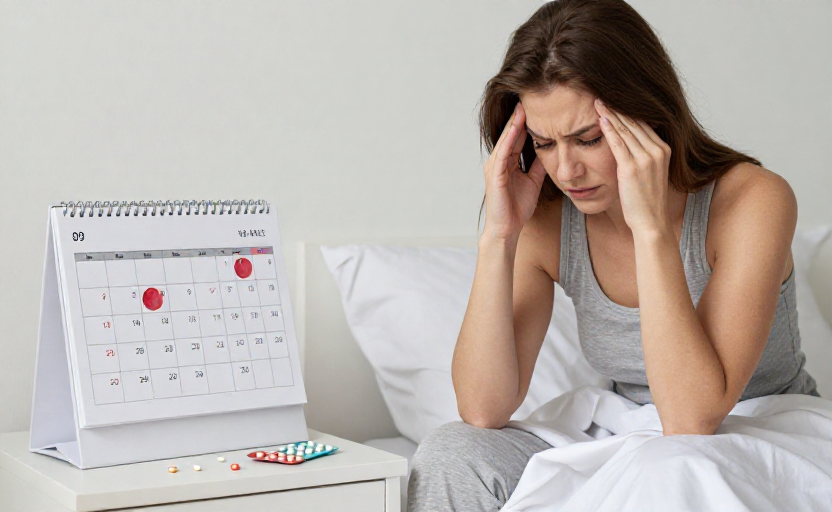
Headaches are a known side effect of hormonal birth control, particularly during the placebo week when hormone levels drop. But if you notice your migraines have become more frequent, more intense, or are accompanied by visual changes (aura), you need to take note. Estrogen-containing contraceptives, including the pill, patch, and ring, can increase the risk of stroke in people who have migraine with aura. This does not mean you cannot use any birth control, but it is a clear signal to speak with your healthcare provider about progestin-only or non-hormonal options.
4. Noticeable or sudden changes in your body
Your body can tell you a lot. Unexplained weight gain, persistent bloating, breast tenderness that does not go away, or new skin issues like acne or dark patches (melasma) can all be tied to your contraceptive. While mild changes are common, a sudden or dramatic shift is worth investigating. You should also watch for more physical signs, such as leg pain, redness, or swelling, especially in one calf, accompanied by shortness of breath or chest pain. These can be signs of a blood clot, a rare but serious side effect of estrogen-based birth control. If you experience any of those, seek medical attention immediately.
5. A loss of sexual desire or persistent discomfort
Changes in libido are a commonly reported but less discussed side effect of hormonal contraceptives. For some, the pill or other hormonal methods can lower testosterone levels, leading to a noticeable dip in sexual desire. Additionally, if you experience vaginal dryness, pain during intercourse, or a persistent change in your natural lubrication that is new, it could be related to your birth control. This does not mean you have to live with it. Different formulas and methods affect people differently, and finding one that supports your overall quality of life, including your sexual health, is possible.
When to talk to your doctor
If any of these signs resonate with you, do not stop your birth control abruptly. Schedule a conversation with your healthcare provider. They can help you weigh the benefits against the side effects and guide you toward a method—whether hormonal, non-hormonal, or a different type of hormone dose—that suits your health history and lifestyle. Your contraceptive is meant to support your life, not disrupt it. Trust your instincts and listen to what your body is telling you.
A note on safety: This information is for educational purposes. Always consult a qualified healthcare professional for advice tailored to your specific health needs.