
Reaching the age of 50 brings a new kind of annual ritual: the cardiovascular screening. It’s a straightforward check of blood pressure, cholesterol, blood sugar, and sometimes an electrocardiogram (ECG). For most people, the results come back with a simple “keep doing what you’re doing.” But for others, the numbers and waves on the paper tell a different story.
The goal of a cardiovascular screening isn’t to scare you. It’s to catch silent problems before they become loud emergencies. As a health editor who has spoken with cardiologists and reviewed years of preventive health data, I can tell you that what happens in that screening room often reveals quiet warning signs that deserve your attention. Knowing what those signs look like helps you walk into the appointment with informed awareness—not anxiety.
1. Blood pressure that creeps into the high-normal zone
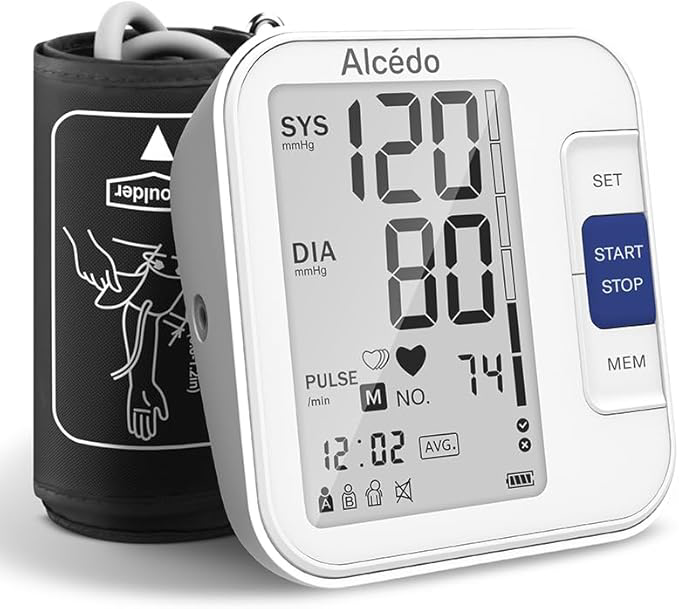
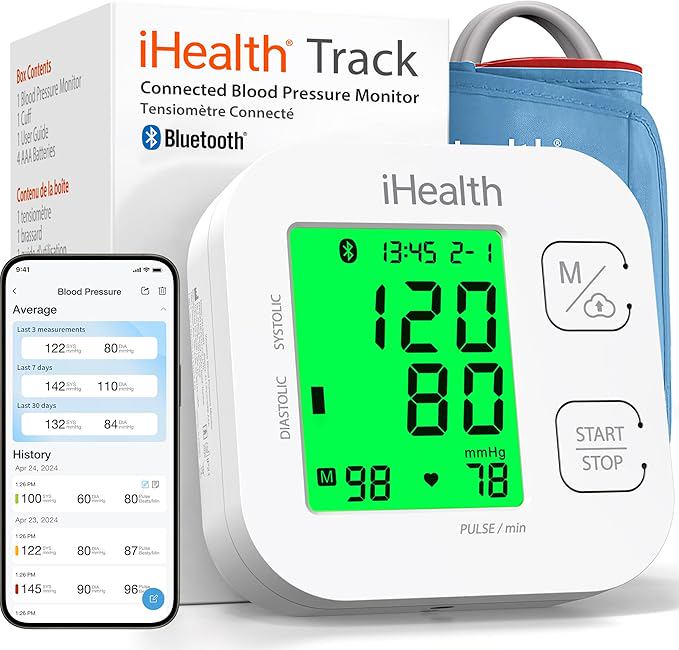
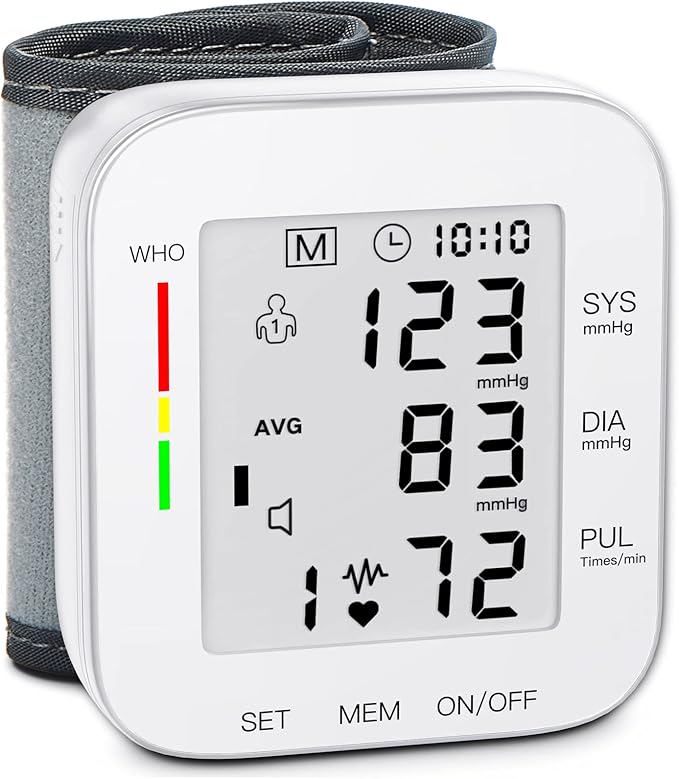
You might think a reading of 128/82 is “fine” because it’s not 150/100. But after 50, blood pressure that consistently sits in the 120–129 systolic range—what clinicians now call elevated blood pressure—is a red flag. The arteries naturally stiffen with age, and that stiffness forces your heart to work harder.
If your screening shows a trend toward this range over two or three visits, it often signals that vascular elasticity is declining faster than expected. This can be one of the earliest detectable warnings of future hypertension. It's also one of the most actionable: many people can pull these numbers back into the optimal zone with modest dietary sodium reduction, regular walking, and better stress management. Your screening report may not say “urgent,” but the trend itself is worth a conversation with your provider.
2. LDL cholesterol that won’t budge despite a clean diet
After 50, many people are genuinely eating well—less red meat, more vegetables, maybe even a fiber supplement. Then the lab report shows an LDL (low-density lipoprotein) level still hovering around 160 mg/dL or higher. This is a common surprise, and it’s often not a dietary failure. Aging changes how the liver clears LDL from the bloodstream.
What your screening may reveal is a cholesterol profile that is stubbornly driven by metabolic factors rather than food choices. In this context, the warning lies in persistently elevated LDL despite a reasonable diet and healthy BMI. Cardiologists view this as a sign that the body’s lipid metabolism is shifting in a way that increases plaque formation. If your numbers look like this, it’s not a reason to diet harder—it’s a reason to ask about statin therapy or other lipid-lowering strategies tailored to your overall risk profile.
3. A fasting glucose number that keeps inching upward
Blood sugar is often the quietest warning sign after 50. A fasting glucose of 105 mg/dL may not trigger a diabetes diagnosis, but it can be a clear heads-up that your insulin sensitivity is declining. Many screening panels also include hemoglobin A1c, which gives a three-month average. If that number sits between 5.7% and 6.4%, you are technically in the prediabetes range.
This matters for your heart as much as your pancreas. Chronically elevated glucose damages the inner lining of blood vessels, accelerating atherosclerosis even when cholesterol numbers are normal. The warning here is subtle: you feel fine, but the metabolic drift has started. The good news is that consistent physical activity and a shift toward lower-glycemic carbohydrate sources often reverse this trend. If your screening flags this, take it seriously—it’s one of the most reversible early signs.
A small shift in fasting glucose after 50 is not a failure—it’s a data point. Use it to adjust your daily habits before it becomes a long-term problem.
4. An irregular pulse or subtle ECG changes
Sometimes the screening room is the first place someone discovers an irregular heartbeat. You might have felt occasional fluttering or skipped beats but dismissed them. During a routine check, a nurse notices your pulse is not perfectly regular—or a quick ECG reading shows atrial fibrillation (AFib).
AFib becomes increasingly common after 50, and it is a major risk factor for stroke. The warning sign is not chest pain or shortness of breath; it is simply a rhythm that looks different on paper. Not every irregular beat is dangerous, but a screening that catches an irregular pulse for the first time calls for a thorough evaluation. Many people with early AFib have no symptoms at all. That is why leaving the screening without having your pulse checked manually—or without a brief ECG if you have risk factors—is a missed opportunity. If your screening includes an ECG and the report mentions “left ventricular hypertrophy” or “QT prolongation,” ask your doctor what those mean for your specific situation.
5. A high coronary calcium score with otherwise normal numbers
Some cardiovascular screenings now include a coronary artery calcium (CAC) scan, especially for men over 50 and women over 55 who have intermediate risk. This CT-based test measures the amount of calcified plaque in the coronary arteries. A score above zero indicates that plaque buildup is already present, even if your blood pressure and cholesterol look decent.
This is perhaps the most sobering warning a screening can reveal: your arteries have begun to accumulate atherosclerosis despite seemingly good numbers. A score of 100 or higher places you in a significantly elevated risk category for heart attack over the next decade. If you undergo a CAC scan as part of your screening and the result is not zero, treat it as a direct signal that aggressive prevention—including medication, diet, and exercise—is warranted. It is not a death sentence; it is a very clear call to action that many people never get until it is too late.
Cardiovascular screening after 50 is not about finding every possible problem. It is about identifying the patterns that raise your risk before symptoms appear. Each of these warning signs points to a specific intervention that can change your trajectory. Your screening results are just numbers until you act on them.