The first few months after having a baby are a blur of feedings, diaper changes, and sleep deprivation. It can be hard to tell what is a normal part of new motherhood and what might signal something deeper going on with your body. One condition that often flies under the radar is postpartum thyroiditis—a temporary inflammation of the thyroid gland that can appear within the first year after delivery.
Many new mothers attribute the symptoms to exhaustion or the stress of caring for a newborn, but ignoring the signs can lead to months of unnecessary discomfort. Here are five specific warning signs that warrant a conversation with your healthcare provider.
1. Extreme fatigue that rest doesn't fix
All new parents are tired. But postpartum thyroiditis fatigue has a different quality to it. You might find that sleeping when the baby sleeps no longer helps. Your muscles feel heavy, and even simple tasks like folding laundry or taking a shower leave you completely drained.
This exhaustion often comes in two phases. In the first phase, called the thyrotoxic phase, the thyroid releases too much hormone, which can make you feel wired but wiped out at the same time. In the second, hypothyroid phase, the gland slows down and fatigue becomes even more profound. If you feel like you are running on empty no matter how much rest you get, it is worth checking your thyroid levels.
2. Unexplained mood changes that feel different from baby blues
Mood swings are common after childbirth, but postpartum thyroiditis can trigger anxiety, irritability, or a low mood that feels distinct from typical baby blues. Some women describe a jittery, restless sensation—like their nerves are constantly buzzing. Others feel a flatness or weepiness that does not lift.
The key difference here is timing and persistence. Baby blues usually peak around day three to five after delivery and fade by two weeks. Postpartum thyroiditis symptoms tend to creep in later, often between three and six months postpartum. If you feel emotionally unsteady in a way that does not align with typical postpartum mood shifts, mention it to your doctor.
A quick note: Postpartum thyroiditis can increase the risk of developing postpartum depression. Treating the thyroid issue often helps improve mood symptoms, so do not write off the emotional signs as just part of being a tired new mom.
3. Rapid weight loss or difficulty losing weight
It is normal to lose some weight after delivery, but a dramatic, unintentional drop—especially if you are eating well—can be a red flag. In the hyperthyroid phase, your metabolism speeds up, and you might lose weight even though your appetite increases.
For other women, the opposite happens. In the hypothyroid phase, the metabolism slows down, making it nearly impossible to shed the baby weight despite diet and exercise. If your weight is swinging in either direction without a clear explanation, your thyroid may be to blame.
4. Temperature sensitivity and unusual sweating
Do you find yourself reaching for a jacket when everyone else is comfortable? Or are you sweating through your sheets even with the thermostat turned down? The thyroid gland acts as the body's thermostat, and when it is inflamed, temperature regulation can go haywire.
During the hyperthyroid phase, women often report being intolerant to heat and sweating more than usual. In the hypothyroid phase, cold intolerance is common. Pay attention to whether your internal temperature feels out of sync with your environment for prolonged periods—this is not typical postpartum warmth or hot flashes.
5. Palpitations or a racing heart
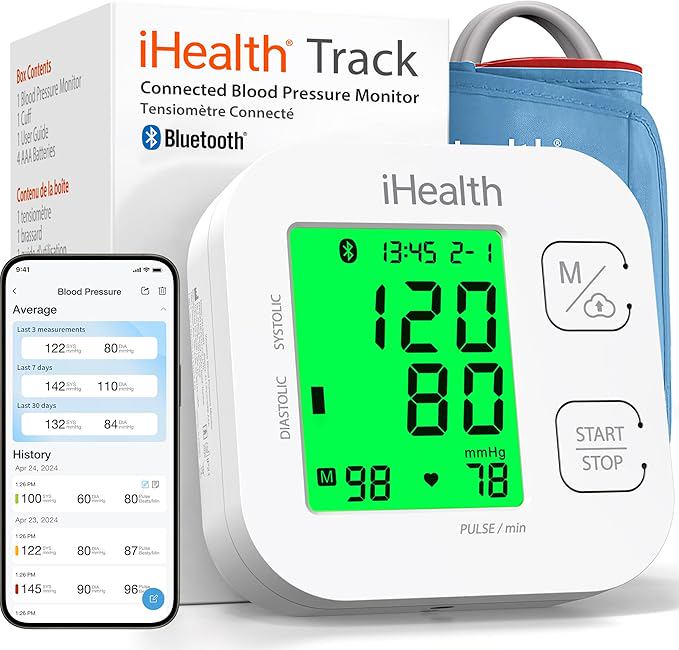
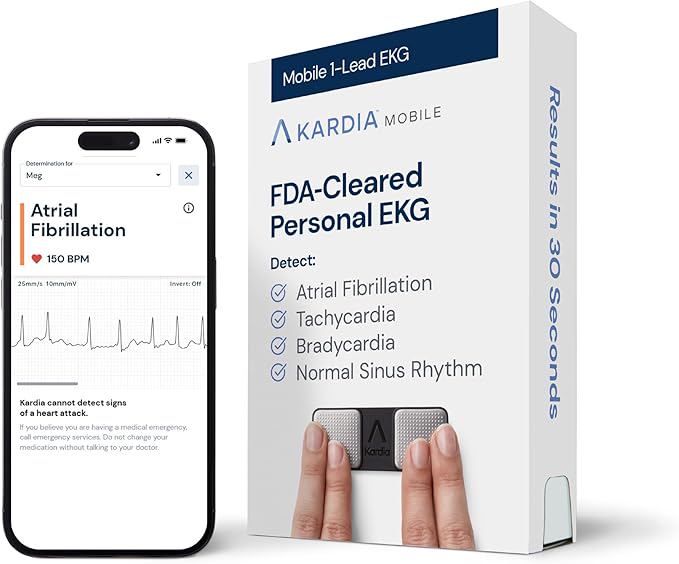
Feeling your heart pound or race when you are not exerting yourself can be alarming. An overactive thyroid increases the heart rate, and many women with postpartum thyroiditis notice a fluttering sensation in their chest or a pulse that feels faster than normal at rest.
This symptom usually appears during the early thyrotoxic phase. While anxiety and lack of sleep can also cause heart palpitations, if they persist or come with other signs like tremor or shortness of breath, it is important to get your thyroid checked.
What to do if you recognize these signs
Postpartum thyroiditis is a self-limiting condition for many women—it often resolves on its own within 12 to 18 months. But that does not mean you should suffer through it without support. A simple blood test measuring TSH, free T4, and sometimes TPO antibodies can confirm the diagnosis.
If you are in the hyperthyroid phase, your doctor may recommend beta-blockers to manage heart rate and anxiety. If you are hypothyroid, a temporary course of levothyroxine may be prescribed to bring your levels back up. These treatments are considered safe during breastfeeding, but your doctor will walk you through the options.
The most important takeaway is this: you do not have to just tough it out. Postpartum thyroiditis is common, treatable, and temporary. Trust your instincts. If something feels off, speak up.