When most people think about polycystic ovary syndrome (PCOS), irregular periods are usually the first sign that comes to mind. And it's true—menstrual disruption is one of the hallmark diagnostic criteria. But PCOS is a complex endocrine and metabolic condition that doesn't always announce itself through missed cycles alone. Many women live with subtle, daily symptoms for years without connecting them to the syndrome. These quieter signs can affect your sleep, skin, mood, and energy level long before a formal diagnosis is made.
Because PCOS manifests differently in every person, you might not realize that certain persistent annoyances have a deeper root cause. Below are five lesser-known symptoms of PCOS that women frequently miss or attribute to stress, aging, or bad luck. Recognizing them can be a crucial step toward understanding your body and seeking appropriate care.
Persistent fatigue that doesn't get better with rest
Feeling tired all the time—not just after a long day, but a bone-deep exhaustion that lingers—is one of the most underreported PCOS symptoms. This isn't ordinary sleepiness; it's a pervasive lack of energy that makes mornings feel heavy and afternoons nearly impossible to power through.
This fatigue often stems from insulin resistance, a common underlying feature of PCOS. When your cells don't respond well to insulin, your body has to work harder to regulate blood sugar, creating a constant energy drain. Additionally, many women with PCOS struggle with poor sleep quality due to hormonal fluctuations or co-existing conditions like sleep apnea, which further compounds the exhaustion. If you feel wiped out no matter how much rest you get, PCOS could be worth exploring with a healthcare provider.
How it feels day to day
You might find yourself reaching for multiple cups of coffee just to function, or feeling mentally foggy by mid-afternoon. This chronic fatigue is different from the tiredness that follows a poor night's sleep—it persists, and standard lifestyle fixes often feel inadequate.
Unexplained skin changes (acne, dark patches, and tags)
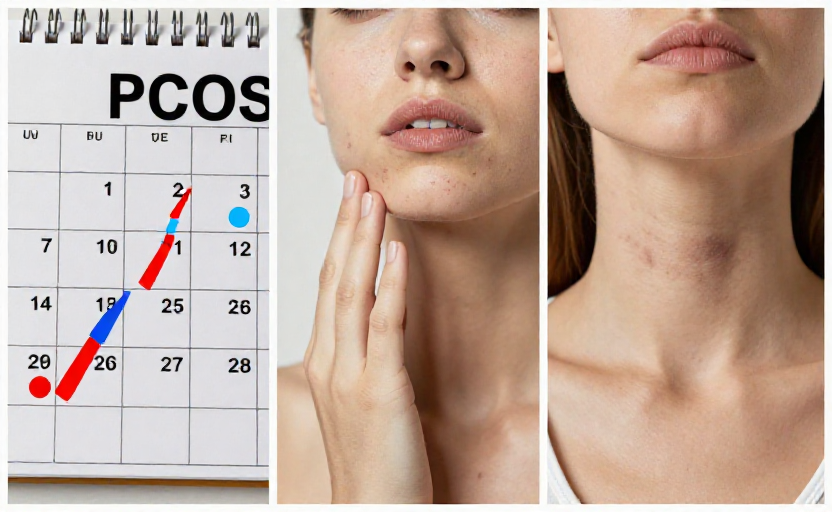
Skin can be a powerful window into hormonal health. While acne breakouts are often written off as random or stress-related, specific skin changes can point directly to PCOS. One classic sign is acne along the jawline and chin, which tends to flare cyclically but stubbornly resists typical over-the-counter treatments.
Less well-known are acanthosis nigricans—velvety, darkened patches of skin that often appear on the back of the neck, under the breasts, or in body folds. This is a visible marker of insulin resistance. Similarly, many women develop small skin tags on the neck or armpit area, which may accompany these darker patches. If you've noticed any of these changes happening gradually, they may be more than just cosmetic annoyances.
Mood swings, anxiety, and brain fog
PCOS affects your brain chemistry, not just your ovaries. Changes in hormone levels can directly impact serotonin and GABA receptors, which regulate mood and calmness.
Many women with PCOS report experiencing heightened anxiety, irritability, or depressive episodes that seem to come out of nowhere. This is often because elevated androgen levels and insulin issues influence neurotransmitter function. Brain fog—trouble concentrating, forgetting words, or feeling disconnected mentally—is another complaint that frequently accompanies the hormonal shifts of PCOS.
If you've been told you're "just stressed" or that your anxiety is situational, but the feeling persists through vacations and relaxing weekends, consider that PCOS might be contributing. Mood disturbances can precede a formal diagnosis by years.
Thinning hair on the scalp (not just facial hair)
Most people associate PCOS with unwanted hair growth on the face, chest, or back—a symptom called hirsutism caused by elevated androgens. But many women miss the flip side of this same problem: androgenic alopecia, or hair thinning on the scalp. This pattern of hair loss resembles male-pattern baldness, with thinning concentrated at the crown or along the hairline.
Women often mistake this for aging, stress, or a bad shampoo, and it can be deeply distressing. Unlike general shedding that comes and goes, PCOS-related hair thinning tends to be progressive and may not respond to typical hair-growth products. If you notice your part widening or ponytail feeling thinner, it's worth discussing with a doctor who understands PCOS.
Skin tags or dark patches (acanthosis nigricans) revisited
We touched on this under skin changes, but it deserves its own highlight because it's so frequently overlooked. Many women assume darker skin on the nape of their neck is just dirt that won't wash off, or they feel embarrassed about skin tags they develop. These are not hygiene issues—they are physical signs of metabolic stress related to insulin resistance.
If you notice these changes, especially combined with any of the other symptoms above, it's a strong signal that something systemic is happening. These skin findings can appear years before periods become irregular or before weight changes occur.
Why these symptoms matter
Recognizing subtle signs of PCOS is important because early awareness can lead to earlier intervention. PCOS is associated with long-term health risks including type 2 diabetes, cardiovascular disease, and endometrial issues. Knowing what to look for empowers you to have a more targeted conversation with your healthcare provider.
If you identify with several of these symptoms, you might consider asking your doctor about a fasting insulin test, glucose tolerance test, or a full hormone panel including testosterone and LH/FSH ratio. PCOS is diagnosed using the Rotterdam criteria, which require at least two of three features: irregular ovulation, clinical or biochemical signs of hyperandrogenism, and polycystic ovaries on ultrasound.
You don't need to have all the textbook signs to deserve a thorough evaluation. Many women find that addressing the underlying hormonal and metabolic issues—through nutrition, stress management, and targeted support—helps alleviate these subtle symptoms, even before they pursue a formal diagnosis.