You expect some creaks and sighs from a body that’s been around for a few decades. A little shortness of breath when you haul groceries up the stairs. An occasional twinge across your chest after a heavy meal. Maybe you chalk it up to “getting older” and move on. But here’s the thing: many people with coronary artery disease (CAD) write off their early warning signs as ordinary aging, and that delay can cost valuable time.
Coronary artery disease happens when plaque builds up inside the arteries that supply blood to your heart muscle. It progresses slowly—sometimes for years—without causing dramatic symptoms. When subtle clues do appear, they are easy to dismiss. Here are five of the most commonly overlooked signals that deserve more than a shrug.
1. Unexplained fatigue that feels different
Everyone gets tired. But the fatigue linked to CAD often has a distinct quality. It is not the sleepy feeling after a long day—it is a deep, heavy exhaustion that hits after activities that used to be easy. Carrying laundry up one flight of stairs leaves you winded. Yard work that used to take an afternoon now requires two rest breaks. You might notice this fatigue is worse after meals, when your digestive system demands extra blood flow and the heart has to work harder.
This kind of weariness is often dismissed as “just getting older” or “being out of shape,” but it can signal that your heart is struggling to pump enough oxygenated blood to your muscles and tissues.
2. Shortness of breath during routine tasks
Getting winded while sprinting is normal. Getting winded while making the bed or walking to the mailbox is not. Many people with early CAD notice they need to pause for breath during conversations or while doing light housework. The sensation might feel like you cannot take a deep enough breath, or like your chest is slightly tight.
This symptom is easy to attribute to age-related deconditioning, especially if you have not been exercising regularly. But when reduced blood flow to the heart makes even mild exertion feel like a workout, it is worth investigating—especially if the breathlessness comes on gradually and does not improve with rest.
3. Indigestion, heartburn, or upper abdominal discomfort
Not every heart attack announces itself with dramatic chest pain. For many people—especially women and older adults—the first sign of a problem is a nagging sensation in the upper belly or lower chest that feels like severe indigestion or heartburn. It might come and go, often after eating, and it does not respond well to antacids.
Some describe it as a feeling of fullness, pressure, or burning that radiates upward into the throat. Because it mimics common digestive complaints, it is one of the most frequently missed early clues of coronary artery disease. If your “heartburn” flares predictably with physical exertion or emotional stress—not just after a spicy meal—take note.
Tip: Pay attention to patterns. If the discomfort occurs during activity and fades with rest, it is more likely cardiac than digestive.
4. Dizziness or lightheadedness with activity
Standing up too fast can make anyone feel woozy. But if you find yourself feeling faint or unsteady during or after physical effort—walking uphill, climbing stairs, even carrying a bag of groceries—it may indicate that your heart is not pumping efficiently enough to maintain blood pressure to your brain.
This symptom is often blamed on dehydration, low blood sugar, or simply “getting older,” but it deserves a closer look when it happens repeatedly and in connection with exertion. It can be a sign that one or more coronary arteries have significant narrowing.
5. Discomfort in the neck, jaw, shoulders, or back
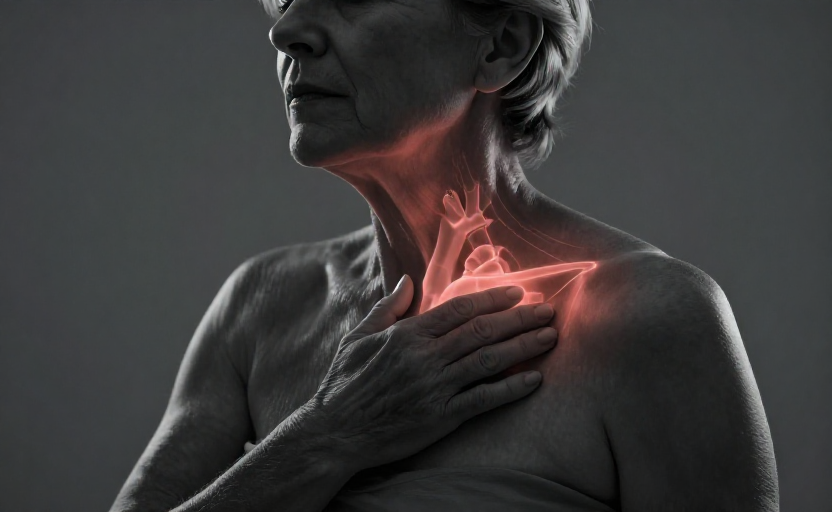
Classic heart-related pain does not always stay in the chest. Referred pain from the heart can travel along shared nerve pathways and land in seemingly unrelated areas. A dull ache or unusual pressure in the left shoulder, the back between the shoulder blades, the jaw—especially on the left side—or even the throat can all be subtle signals of CAD.
Many people mistake this for muscle strain, arthritis, or dental issues. But when the sensation appears during exertion or emotional stress and subsides when you rest, it is worth mentioning to a healthcare provider. Women, in particular, are more likely to experience these atypical symptoms instead of classic chest pressure.
When to talk to a doctor
If any of these symptoms sounds familiar, you do not need to panic—but you do need to have a conversation with a primary care provider or a cardiologist. Coronary artery disease is highly manageable when caught early. Lifestyle changes, medication, and sometimes procedures can dramatically reduce risk.
Before your visit, jot down a few notes: when the symptoms happen, what triggers them, how long they last, and what makes them better. That pattern—especially the link to exertion and relief with rest—is a crucial clue that helps distinguish CAD from everyday aging.
Paying attention to these subtle shifts is not about being hypochondriac. It is about recognizing that your body sends signals for a reason. And sometimes the quietest ones are the most important.