
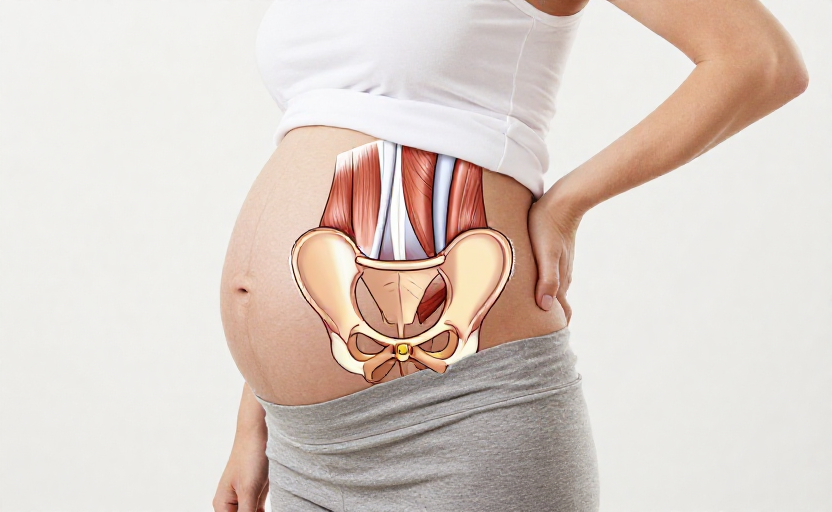
Pregnancy reshapes your body in ways you might not expect. While much of the focus naturally goes to the growing belly, another system is quietly working overtime—your pelvic floor. This sling of muscles supports your bladder, uterus, and bowel, and it bears the full weight of your pregnancy. Knowing the signs that something is off can help you address issues early, before they become harder to manage.
Below are five clear signals that your pelvic floor may need a little extra care—not to alarm you, but to help you recognize when it might be time to talk to a specialist or start gentle exercises.
1. You Leak Urine When You Cough, Sneeze, or Laugh
Mild leakage during pregnancy is common but not something you should simply accept. If you notice a small gush when you sneeze or a few drops when you laugh, your pelvic floor may be struggling to keep up with the increased pressure from your uterus. This is called stress urinary incontinence, and it often responds well to pelvic floor exercises—especially if you start early.
A single cough or sneeze shouldn't make you dread a wet spot. If it does, consider that a gentle alarm bell.
Your pelvic floor is designed to contract quickly in response to sudden pressure. When it weakens, that reflex lags. A physical therapist who specializes in women's health can check whether your technique for Kegels is effective—many people do them incorrectly.
2. You Feel a Heavy or Bulging Sensation in Your Vagina
Some describe it as feeling like something is "falling out" or a persistent heaviness low in the pelvis. That sensation can signal pelvic organ prolapse—when the bladder, uterus, or rectum shifts downward into the vaginal canal. During pregnancy, the added weight and hormonal loosening of connective tissue can make prolapse more likely.
This isn't always painful at first. It might feel like a dull ache or a sense of fullness after standing for a while. If you notice a bulge when you look with a mirror (or your midwife points one out), don't ignore it. Pelvic floor therapy can help support the organs and reduce symptoms without surgery.
3. You Have Trouble Emptying Your Bladder or Bowels
Constipation is nearly universal in pregnancy, but if you regularly feel like you aren't fully emptying your bladder or bowel, your pelvic floor may be contributing. When the muscles are too tight or too weak, coordination suffers. You might feel the urge to go but find only a trickle, or you may strain to pass stool even when it's soft.
This double trouble—weakness on one side, tension on the other—requires a nuanced approach. General advice to "do Kegels" can actually worsen the problem if your muscles are already overly tight. A pelvic health specialist can assess whether you need to relax or strengthen.
4. You Feel Tailbone or Low Back Pain That Won't Quit
Not all pelvic floor symptoms happen in the pelvis itself. The pelvic floor connects to your tailbone, hips, and lower back. When it tightens or weakens in one area, it pulls on everything around it. You might feel a sharp pain near your tailbone when sitting, or a deep ache in your lower back that isn't relieved by standard pregnancy pillows.
Because ligament laxity increases during pregnancy, the pelvic floor can't control your joints as well. The result is often joint pain—and it's worth mentioning to your provider, especially if it's persistent.
5. You Feel Pain During Intercourse
Vaginal discomfort during penetration is a common but underreported sign. Hormones make the tissues more sensitive, but pain can also indicate that the pelvic floor muscles are in a state of constant tension—almost like a muscle spasm that doesn't let go. This may happen alongside any of the other signs above or on its own.
You deserve to feel close to your partner without dreading the pain. A pelvic floor therapist can teach you how to release that tension gently, often improving comfort within a few sessions.
When to Act on These Signs
If any of these sound familiar, you don't need to panic. But you do need a plan. Start by mentioning your symptoms at your next prenatal visit. Ask for a referral to a pelvic floor physical therapist—ideally one who works with pregnant people. In the meantime, gentle breathing exercises, avoiding heavy lifting, and keeping your stool soft with hydration and fiber can all help reduce strain on your pelvic floor.
Pregnancy changes your body, but with the right support, you can keep your pelvic floor healthy for the long haul—not just for delivery, but for life after baby.