
Finding the right thyroid medication dose can feel like a delicate balancing act. For many people living with hypothyroidism, levothyroxine or similar medications are essential for restoring energy, metabolism, and overall well-being. But what happens when the dose is too high? Overmedication, also known as iatrogenic hyperthyroidism or thyrotoxicosis, can trigger a cascade of uncomfortable—and sometimes alarming—symptoms.
If you have been feeling off despite your numbers looking “normal” on paper, it is worth examining whether your current dose has tipped the scales. Here are five specific signs that you may be overmedicated for hypothyroidism, along with actionable steps you can take to regain balance.
1. A Racing, Fluttering, or Palpable Heartbeat
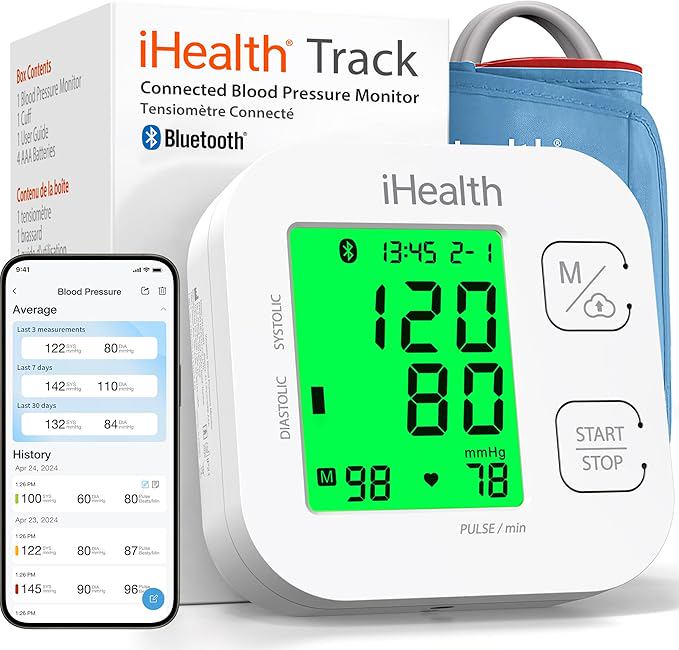
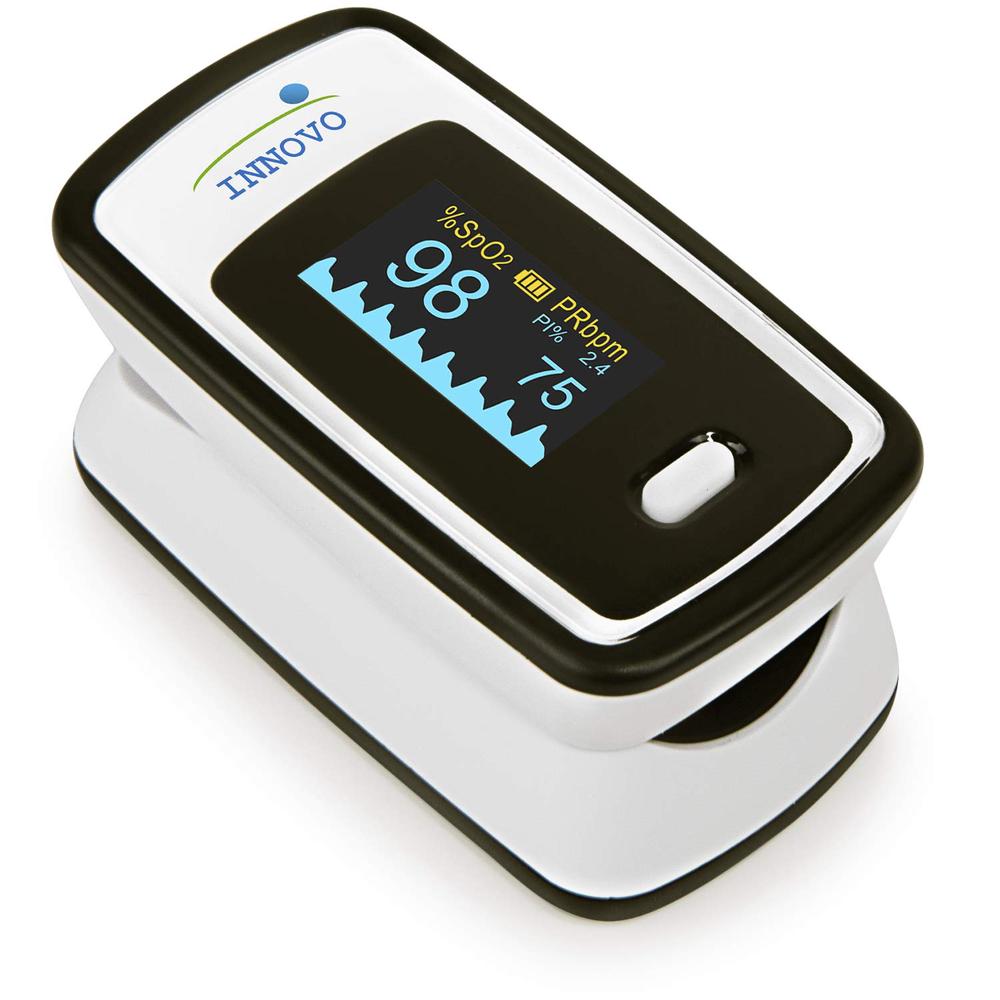
One of the most common early-warning signs of too much thyroid hormone is a change in heart rhythm. You might notice your heart pounding in your chest, fluttering like a bird, or racing even when you are sitting still. This happens because excess thyroid hormone stimulates the cardiovascular system, increasing heart rate and contractility.
Some people describe it as feeling like they have had too much caffeine—but without the coffee. If you experience chest tightness, shortness of breath, or a heart rate that stays above 100 beats per minute at rest, it is a signal to check in with your healthcare provider promptly.
2. Unexplained Anxiety, Irritability, or Shakiness
Thyroid hormone directly influences neurotransmitter activity and your nervous system's "rev" level. When levels climb too high, it can manifest as a wired-but-tired sensation, jittery hands, or a vague sense of dread that does not seem tied to any particular stressor.
You might find yourself snapping at loved ones, struggling to fall asleep despite exhaustion, or feeling an inner tremor that won't settle. While anxiety has many causes, if this restlessness emerged or worsened after a dose adjustment, overmedication should be high on the list of possibilities.
3. Unintentional Weight Loss Despite a Normal Appetite
Hypothyroidism typically slows metabolism, and medication is meant to bring it back to a healthy baseline. But when the dose is too high, it can push your resting metabolic rate into overdrive. The result? Losing weight without trying—or finding it difficult to keep weight on—even while eating normally or more than usual.
This type of weight loss is often accompanied by increased hunger, but it does not feel like a healthy, sustainable change. If you have dropped several pounds in a few weeks without any intentional dietary changes, it is worth discussing with your doctor.
4. Persistent Heat Intolerance and Excessive Sweating
Are you suddenly the person who needs the air conditioner on full blast while everyone else is comfortable? Do you wake up drenched in sweat even on cool nights? Thyroid hormone helps regulate body temperature. An oversupply can rev your internal thermostat, making you feel overheated, flushed, and sweaty in situations that never bothered you before.
This symptom can be particularly disruptive to sleep and daily comfort. It may also be mistaken for menopause or general anxiety, so looking at the full symptom picture is essential.
5. Insomnia or Disrupted Sleep Patterns
Falling asleep can become a nightly battle when your system is flooded with thyroid hormone. Your brain stays in an alert state, and even if you manage to drift off, you may wake up multiple times or find yourself wide awake at 3 a.m. with a racing mind.
A helpful rule of thumb: if your hypothyroidism medication is making it hard to sleep, your dose may need re-evaluation. Better sleep is often one of the first benefits people notice after a proper adjustment.
What to Do If You Recognize These Signs
If two or more of these symptoms sound familiar, do not stop or reduce your medication on your own. Abruptly changing your dose can lead to withdrawal effects and serious swings in thyroid levels. Instead, follow these steps:
- Contact your prescribing provider. Share your symptoms and ask for a new lab panel, which should include TSH, Free T4, and ideally Free T3. Overmedication often shows up as a suppressed TSH (below 0.3 mIU/L) with elevated Free T4 and/or Free T3.
- Be specific about your symptoms. Use a journal to track your resting heart rate, sleep patterns, mood, and weight changes for a few days before your appointment. This gives your doctor concrete data.
- Ask about a small dose reduction. Many people feel best with a TSH in the lower end of the reference range (0.5–2.5 mIU/L) — but not suppressed below normal. A reduction of 12.5 to 25 mcg of levothyroxine is a common starting point.
- Re-test after 6 to 8 weeks. Thyroid hormone levels take about that long to stabilize after a dose change. Do not be discouraged if the first adjustment does not feel perfect; fine-tuning is normal.
When It Might Be Something Else
These same symptoms can overlap with other conditions including anemia, adrenal insufficiency, anxiety disorders, or even perimenopause. That is why blood tests are essential. Overmedication is only one possible cause—but it is a reversible one, and catching it early can save you weeks or months of discomfort.
If you have been on the same dose for years and are just now noticing symptoms, changes in body weight, aging, or other medications can affect how your body processes thyroid hormone. A periodic review is always wise.
Being your own best advocate means paying attention to how you feel, not just the number on a lab slip. With careful monitoring and open communication with your healthcare team, you can find the dose that lets you feel like yourself again—neither slowed down nor sped up, but just right.