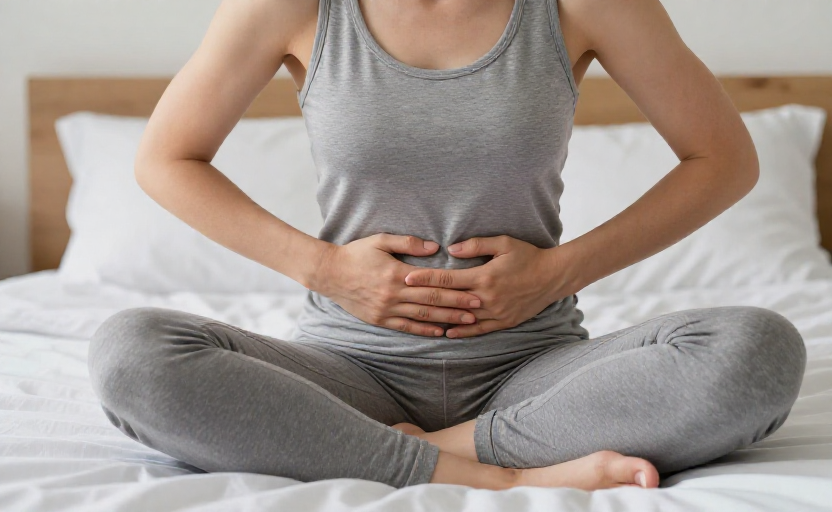
Painful intercourse—clinically known as dyspareunia—affects many people at some point in their lives. While it can stem from physical conditions, emotional stress, or relationship dynamics, there are self-care strategies you can use at home to help manage discomfort and make intimacy more comfortable. The goal is not to replace medical care but to complement it with gentle, body-aware practices that support your well-being.
If you experience pain during sex, you are not alone, and it is not something you just have to tolerate. Many causes are treatable or manageable, and starting with mindful self-care can be a powerful first step. Below are five evidence-informed practices you can try at home.
1. Prioritize relaxation techniques before intimacy
Anxiety and tension can tighten the pelvic floor muscles, making penetration more painful. Before sexual activity, take 10–15 minutes to practice deep breathing, progressive muscle relaxation, or gentle stretching. Inhale slowly through your nose, letting your belly rise, and exhale fully through your mouth. Focus on releasing tension in your jaw, shoulders, hips, and pelvic area.
Some people find that a warm bath or shower before intimacy helps relax the entire body. If you have a partner, invite them to join you in a calming activity, which can reduce performance pressure and foster emotional safety.
2. Use lubrication generously
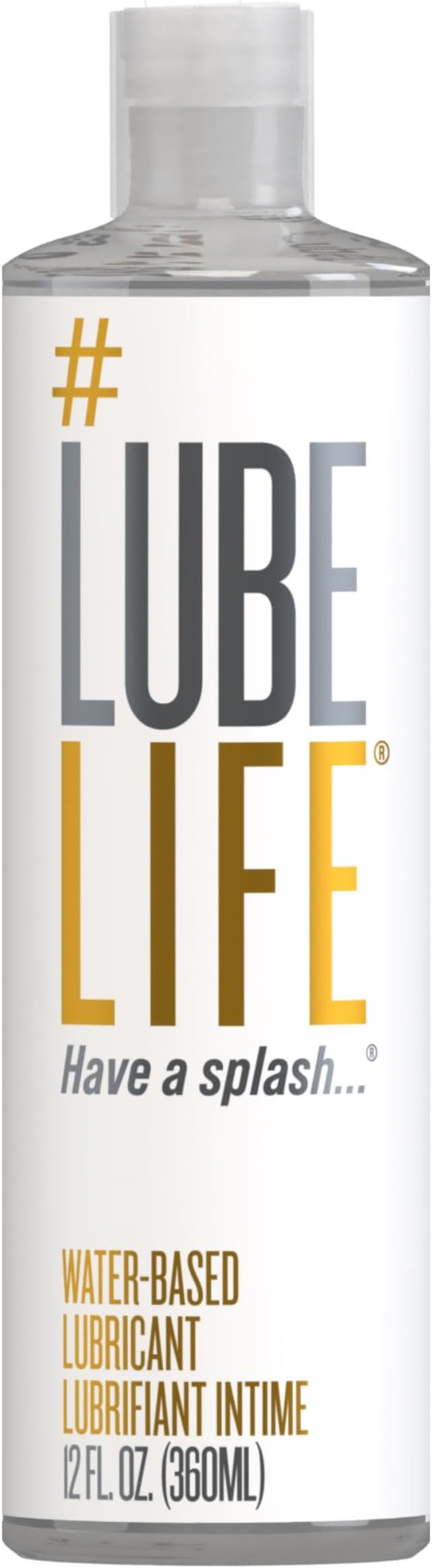
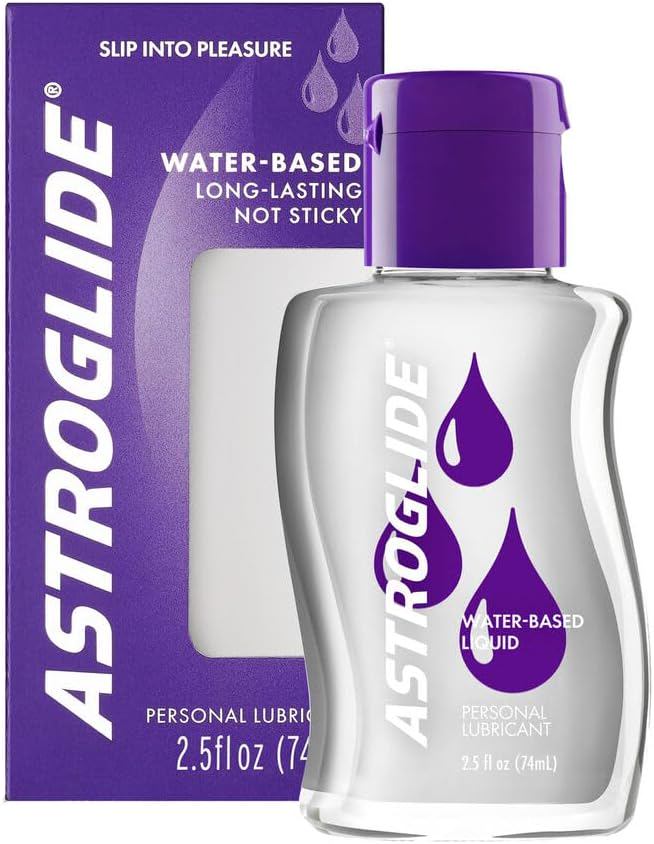
Insufficient natural lubrication is one of the most common contributors to painful intercourse. Even if you feel aroused, hormonal changes, medications (like antihistamines or antidepressants), and stress can reduce vaginal moisture. High-quality, water-based or silicone-based lubricants can significantly reduce friction and discomfort.
Apply lubricant to both partners and reapply as needed. Avoid products with added flavors, warming sensations, or numbing agents, as these can cause irritation or mask underlying issues. Look for lubricants labeled as pH-balanced and free from glycerin, parabens, and fragrances.
3. Practice gentle pelvic floor relaxation
Chronic tension in the pelvic floor muscles can lead to pain during penetration. While Kegel exercises are often recommended for strengthening, some people need relaxation exercises instead. Try this simple technique: lie on your back with your knees bent, breathe deeply, and imagine softening the muscles between your sit bones as you exhale.
You can also try diaphragmatic breathing while gently pressing on the perineum (the area between the vagina and anus) with your fingers. Hold the area with gentle, sustained pressure—not pushing or massaging—for 30 seconds to a minute. This can help the pelvic floor muscles learn to release. If you are unsure about technique, ask your healthcare provider to refer you to a pelvic floor physical therapist.
4. Communicate openly with your partner
Pain during sex often triggers feelings of shame, frustration, or fear, which can make the experience worse. Having an honest conversation with your partner outside the bedroom can reduce anxiety and build trust. Use “I” statements to describe your experience, such as “I feel pain during certain positions” or “I need more time to feel relaxed.”
Agree on a signal or safe word to pause or stop activity without guilt. Explore non-penetrative intimacy like mutual massage, kissing, or oral sex (if comfortable) to maintain connection without pressure. A supportive partner will want to understand and help you feel safe.
5. Try breath-supported self-massage
Self-massage of the vulvar and perineal tissues can improve blood flow, reduce muscle tightness, and increase awareness of your own body. Wash your hands, find a comfortable reclining position, and apply a small amount of unscented lubricant or coconut oil. Using your index finger, gently explore the outer labia and the opening of the vagina, noticing areas of sensitivity or tension.
With slow, deep breaths, apply light pressure in circular motions or gentle stretching along the vaginal opening (the introitus). Go slowly and stop if you feel sharp pain. The goal is not to mimic intercourse but to desensitize nerve endings and promote relaxation. Some people find a single session helpful; others benefit from 5–10 minutes several times a week.
If home self-care does not reduce pain after a few weeks, or if you have additional symptoms like bleeding, discharge, or fever, consult a gynecologist or a pelvic pain specialist. Self-care is a valuable complement—not a substitute—for medical evaluation.