Coming off hormonal birth control is a significant transition for your body. After months or years of a steady external hormone supply, your system is recalibrating, working to re-establish its own natural rhythms. This process can sometimes leave you feeling depleted, as your body draws on its nutrient reserves to support hormone production, liver detoxification, and overall cellular repair. While there's no single "magic" food, adopting a consistent, nutrient-dense eating pattern can be a profoundly supportive way to help rebuild those internal stores and nourish your body through this change.
Think of it less about restrictive rules and more about building a foundation. The goal is to provide a steady stream of the vitamins, minerals, and antioxidants your body is actively using to regain its balance. These five meal patterns offer flexible, sustainable frameworks to do just that.
The Foundational Plate Pattern
This isn't a diet; it's a simple, visual template for building meals that deliver comprehensive nourishment. Aim to fill half your plate with non-starchy vegetables—think leafy greens, broccoli, bell peppers, and zucchini. These provide fiber, which supports gut health and hormone elimination, and a wide spectrum of antioxidants.
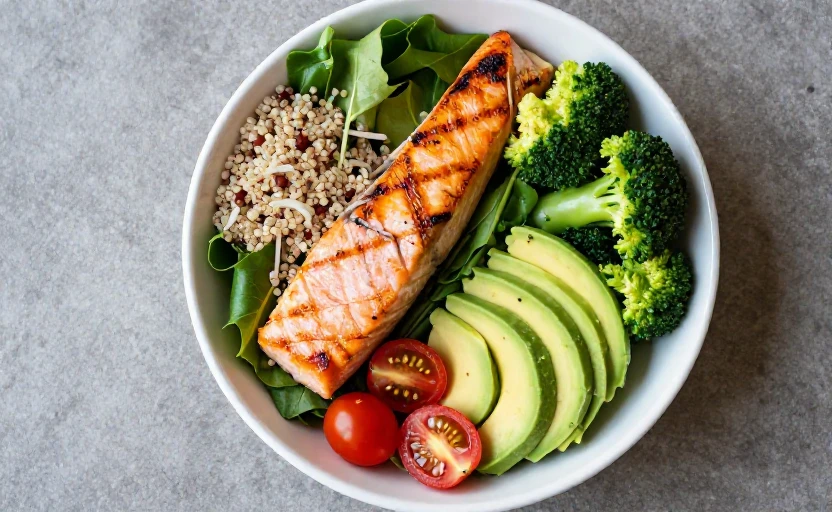
Dedicate a quarter of your plate to a quality protein source. Protein supplies the amino acids necessary for building and repairing tissues, including those involved in hormone production. Good options include lentils, chickpeas, salmon, eggs, tofu, or lean poultry. The final quarter is for complex carbohydrates like quinoa, sweet potato, brown rice, or oats, which offer sustained energy and B-vitamins crucial for metabolic processes.
This balanced plate ensures you're getting fiber, protein, and healthy fats at every meal, creating stable energy and reducing cravings.
The Rainbow Bowl Pattern
Bowls are a fantastic way to pack a diversity of nutrients into one satisfying meal. Start with a base of greens or whole grains. Then, consciously add ingredients of different colors. The pigments in plants—the deep purple of red cabbage, the bright orange of carrots, the red of tomatoes—often signal different phytonutrients that support liver function and reduce inflammation.
Top your rainbow of vegetables with a protein, a healthy fat like avocado or a tahini drizzle, and a flavorful, gut-friendly ferment like sauerkraut or kimchi. This pattern makes it easy to incorporate a wide variety of plants, which in turn supports a diverse gut microbiome, an area increasingly linked to hormonal health.
The Steady Nourishment Pattern
Instead of three large meals, some people find that eating smaller, balanced meals or snacks every 3-4 hours helps maintain steady blood sugar levels. Erratic blood sugar can exacerbate feelings of fatigue, irritability, and cravings, which may already be fluctuating as your hormones adjust.
This pattern focuses on never letting yourself get ravenously hungry. Pair a complex carb with protein and fat at each eating occasion. Examples include apple slices with almond butter, a hard-boiled egg with a few whole-grain crackers, or Greek yogurt with berries. Consistency here can help smooth out energy dips and support mood stability.
The Omega-Focus Pattern
Healthy fats are essential building blocks for hormone production. This pattern intentionally incorporates sources of anti-inflammatory omega-3 fatty acids into your weekly routine. It’s about making them a regular feature, not an afterthought.
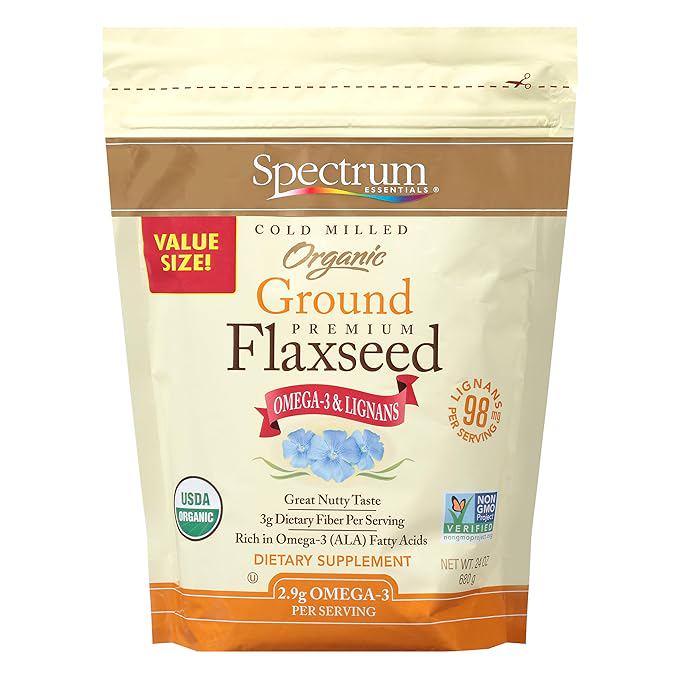
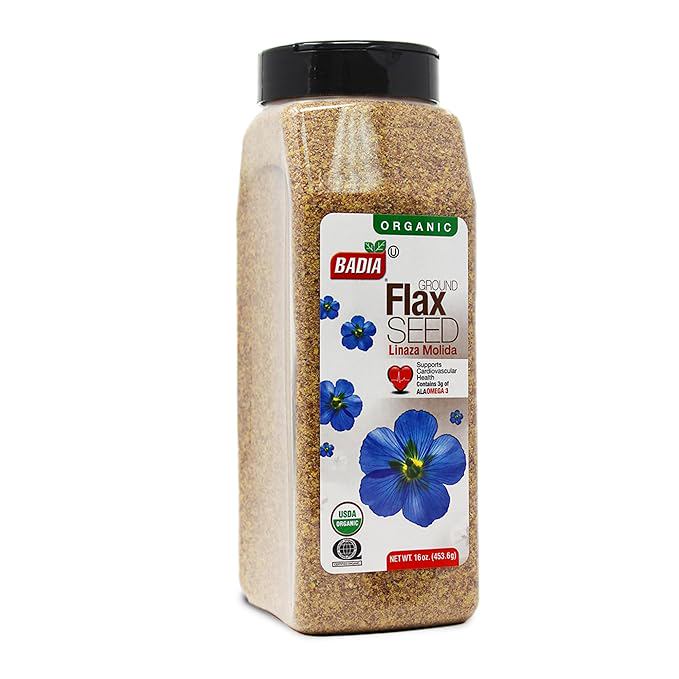
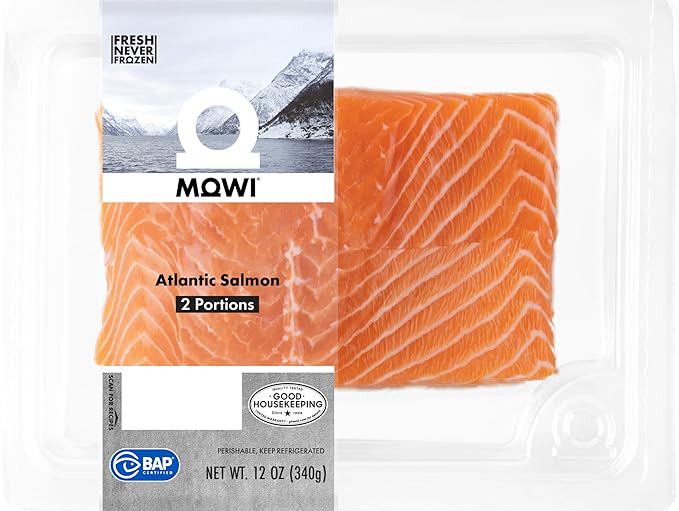
Aim to include fatty fish like salmon, mackerel, or sardines at least twice a week. For plant-based days, add a tablespoon of ground flaxseed or chia seeds to your morning oatmeal or smoothie, use walnuts in salads, or cook with a drizzle of algae oil. These fats support cellular health and can help modulate inflammation.
Prioritizing omega-3s from fish or seeds supports the cellular framework your body uses to synthesize hormones.
The Liver-Supportive Pattern
Your liver plays a key role in metabolizing and clearing excess hormones from the body. This eating pattern emphasizes foods known to support the liver's natural detoxification pathways. Cruciferous vegetables are stars here—broccoli, cauliflower, Brussels sprouts, kale, and cabbage contain compounds like sulforaphane that aid these processes.
Incorporate these vegetables regularly, whether roasted, steamed, or raw in a slaw. Complement them with bitter greens like arugula and dandelion, which can stimulate digestion, and sulfur-rich foods like garlic and onions. Staying well-hydrated with water and herbal teas like dandelion root or green tea also supports this vital organ of elimination.
Remember, these are patterns, not prescriptions. You might blend aspects of several—a rainbow bowl built on the foundational plate principle, for instance. The common thread is a focus on whole, minimally processed foods that deliver maximum nutrition. Listen to your body's cues, move gently, and consider this nutritional support as one part of a holistic approach to welcoming your body's next chapter.