When your heart skips a beat, it’s natural to feel a flicker of concern. While many occasional palpitations are harmless, that fluttery sensation can be unsettling. Nutrition science points to a simple, foundational element that plays a quiet but critical role in keeping your heart’s electrical system steady: magnesium.
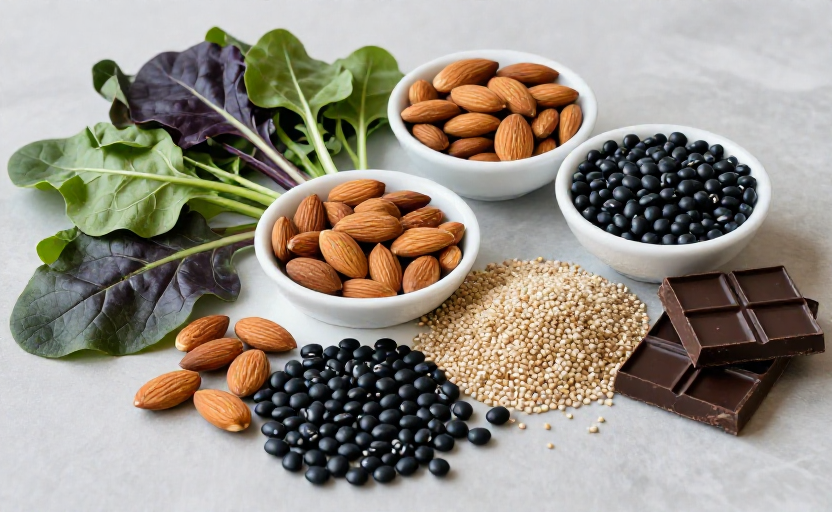
This essential mineral acts as a natural conductor, helping your heart muscle contract and relax in a smooth, regular rhythm. Many of us don’t get enough from our diets, leaving this system without optimal support. The good news is that replenishing your levels doesn’t require a complicated regimen—it starts at your next meal. Here are five delicious, whole-food sources of magnesium, each backed by nutritional research, to help nourish your heart’s natural cadence.
Why magnesium matters for your heartbeat
Think of your heart’s rhythm as a finely tuned electrical circuit. Magnesium is one of the key electrolytes, along with potassium and calcium, that helps regulate the flow of electrical impulses across heart muscle cells. It specifically helps manage how calcium moves in and out of cells, which is crucial for proper muscle contraction and relaxation. When magnesium levels are sufficient, this process tends to be smooth and coordinated.
Research suggests that adequate magnesium intake is associated with supporting overall cardiovascular health and maintaining a regular heart rhythm. It’s a cornerstone nutrient, working in concert with others to keep the complex symphony of your heartbeat in time.
A diet rich in magnesium is linked to foundational support for cardiovascular wellness, including the maintenance of a regular heart rhythm.
1. Dark leafy greens (Spinach, Swiss chard, Kale)
These verdant powerhouses are among the most concentrated food sources of magnesium you can find. A single cup of cooked spinach provides about 157 mg of magnesium, which is a significant portion of the daily recommended intake. The magnesium in greens is also beautifully packaged with heart-supportive companions: potassium, fiber, and antioxidants like vitamin C and beta-carotene.
Incorporating them is straightforward. Try blending a handful of raw spinach into a morning smoothie, sautéing Swiss chard with garlic as a simple side, or massaging kale with a bit of olive oil and lemon for a tender salad base. The versatility of greens makes them an easy daily habit.
2. Nuts and seeds (Pumpkin seeds, Almonds, Cashews)
A small handful of nuts or seeds can deliver a potent magnesium boost. Pumpkin seeds are a standout, with a quarter-cup offering around 190 mg. Almonds and cashews are also excellent choices. Beyond magnesium, these foods provide healthy fats, plant-based protein, and fiber—a nutrient trio known for supporting stable energy and metabolic health.
They’re perfect for mindful snacking. Sprinkle pumpkin seeds on oatmeal or yogurt, add a few almonds to an afternoon snack, or use tahini (a paste made from sesame seeds, also high in magnesium) as a base for dressings and sauces.
A quick note on balance
While nuts are nutrient-dense, they are also calorie-dense. A serving is typically a small handful (about 1 ounce or 28 grams). This amount provides substantial nutrients without excess calories.
3. Legumes (Black beans, Edamame, Lentils)
Beans, peas, and lentils are humble yet formidable sources of magnesium. One cup of cooked black beans contains about 120 mg. They are also rich in soluble fiber, which can help manage healthy cholesterol levels, and plant-based protein. This combination makes legumes exceptionally supportive for overall cardiovascular nourishment.
Integrating more legumes can be as simple as adding a can of rinsed black beans to soups and salads, enjoying steamed edamame as a snack, or preparing a hearty lentil stew. Their fiber content also promotes a feeling of fullness, supporting balanced eating habits.
4. Whole grains (Quinoa, Brown rice, Oats)
Choosing whole grains over refined ones is one of the simplest dietary upgrades for magnesium intake. Refining strips away the nutrient-rich germ and bran, where most of the magnesium resides. One cup of cooked quinoa provides about 118 mg of magnesium, along with a complete protein profile and fiber.
Start by swapping white rice for brown rice or quinoa. Enjoy old-fashioned oats for breakfast, or look for whole-grain bread where the first ingredient is “whole wheat” or another whole grain. These swaps steadily increase your mineral intake throughout the week.
5. Dark chocolate (70% cocoa or higher)
Here’s a heart-supportive choice that feels like a treat. The magnesium in chocolate comes from its cocoa solids. The higher the cocoa percentage, the more magnesium (and antioxidants) it contains. A one-ounce square of dark chocolate (70-85% cocoa) can offer around 65 mg of magnesium.
The key is to view it as a nutrient source, not a candy bar. Savoring a small square or two after a meal can be a satisfying way to end the day while contributing to your magnesium intake. Look for products with minimal added sugar and a high cocoa content for the greatest benefit.
Bringing it all together on your plate
Focusing on single nutrients can feel abstract. The goal isn’t to obsess over milligrams, but to build a dietary pattern consistently rich in these whole foods. A day of heart-rhythm supportive eating might look like:
- Breakfast: Oatmeal topped with almonds and blueberries.
- Lunch: A large salad with spinach, quinoa, black beans, and pumpkin seeds.
- Snack: An apple with a square of dark chocolate.
- Dinner: Grilled salmon with a side of sautéed Swiss chard and brown rice.
This pattern naturally bundles magnesium with other synergistic nutrients—potassium, fiber, antioxidants—that collectively support cardiovascular wellness.
Always consult with your healthcare provider about persistent heart palpitations or before making significant dietary changes, especially if you have a known heart condition or are on medication.
Magnesium from food is generally safe for healthy adults, as the body regulates absorption from dietary sources. The rhythm of a healthy heart is supported by a symphony of factors: balanced nutrition, stress management, quality sleep, and regular physical activity. Including these five magnesium-rich foods is a tangible, science-backed step you can take to help ensure your body’s natural conductor has the resources it needs to keep the beat.