
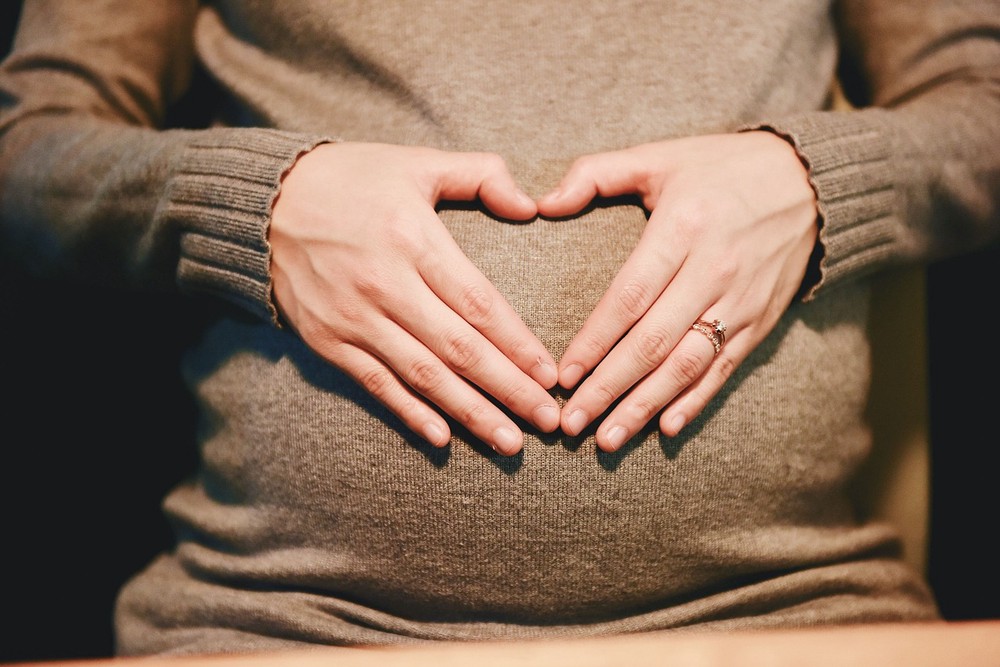
The first trimester is a marathon of exhaustion. Between the surge of progesterone, your body building a brand-new organ (the placenta), and the constant hum of cell division, fatigue isn't just a possibility—it's practically a given. While rest is vital, your diet plays a powerful supporting role. One of the most common culprits behind that bone-deep tiredness is low iron.
Your blood volume increases by nearly 50% during pregnancy, and iron is the key mineral your body uses to make hemoglobin, which carries oxygen to your cells (and your growing baby). When stores run low, you feel sluggish, dizzy, and wiped out. Here are five iron-rich foods that can help you refuel safely and naturally during these early weeks.
1. Lean Red Meat: The Highly Absorbable Source
Your body absorbs heme iron (from animal sources) far more efficiently than non-heme iron (from plants). Lean cuts of beef, lamb, or bison are concentrated sources of this type. A small 3-ounce serving of cooked sirloin provides roughly 2-3 milligrams of iron—a significant chunk of the 27 milligrams you need daily during pregnancy.
The key here is lean. Look for cuts with minimal visible fat, and prepare them simply—grilled, roasted, or pan-seared without heavy sauces. If red meat doesn't appeal right now (aversion is common in the first trimester), try organ meats like liver in small amounts, but limit intake to once a week due to high vitamin A levels. Pairing meat with a side of vegetables that have vitamin C, like a handful of cherry tomatoes or broccoli, boosts absorption even further.
2. Dark Leafy Greens: Spinach, Kale, and Swiss Chard
For plant-based iron, dark leafy greens are your best ally. One cup of cooked spinach delivers about 6.4 milligrams of iron—more than a comparable serving of meat. The catch? It's non-heme iron, which is harder for your body to use.
Don't let that discourage you. Cooking the greens (rather than eating them raw) concentrates the iron and reduces the oxalates that can block absorption. A simple sauté with garlic in olive oil, folded into a frittata or stirred into whole-grain pasta, works beautifully. To make every bite count, add a squeeze of lemon juice or a splash of orange juice to your meal. Vitamin C essentially transforms non-heme iron into a form your body can grab onto more easily.
Quick tip: If you're nauseous, try blending a handful of raw spinach into a smoothie with berries and citrus. The taste is nearly invisible, and the vitamin C helps unlock the iron.
3. Legumes: Lentils, Chickpeas, and Black Beans
Lentils are a powerhouse for first-trimester nutrition. One cup of cooked lentils provides around 6.6 milligrams of iron, plus substantial folate and fiber—two other nutrients that help combat fatigue and support fetal development.
The best part? Legumes are gentle on a sensitive stomach. They digest slowly, which stabilizes blood sugar and prevents the energy crashes that often follow a sugary snack. Try a simple lentil soup with carrots and celery, or mash chickpeas into a hummus dip with bell pepper strips. Canned versions work fine; just rinse them well to reduce sodium.
For an absorption boost, pair your legume dish with a side of roasted red peppers or a small fruit salad with kiwi and oranges.
4. Fortified Whole Grains: Oatmeal and Cereal
Not all grains are created equal when it comes to iron. Highly refined white flour loses most of its natural mineral content. But fortified whole grains—especially oatmeal, iron-fortified breakfast cereals, and quinoa—can deliver a solid dose.
A bowl of iron-fortified cereal (check the label for at least 50% of the daily value for iron in one serving) gives you an instant start to the day. Old-fashioned oats provide about 2 milligrams of iron per cup cooked. The trick is to avoid having them with coffee or tea at the same meal, as the tannins in these drinks can reduce iron absorption by up to 80%. Wait an hour after eating before you have that cup of tea.
Instead, top your oatmeal with berries (vitamin C) and a drizzle of molasses or a sprinkle of pumpkin seeds for an extra iron boost. It's a gentle, warming breakfast when the morning feels heavy.
5. Pumpkin Seeds and Tahini
Seeds are a compact, portable source of iron that doesn't require cooking. A quarter-cup of pumpkin seeds offers about 2.5 milligrams of iron, along with magnesium and zinc, which support energy metabolism and immune function.
Tahini, which is made from ground sesame seeds, is equally impressive. Two tablespoons provide roughly 1.3 milligrams of iron. Stir it into a dressing for steamed greens, spread it on whole-grain toast, or mix it into a grain bowl. Because seeds contain some fat, they help keep you full—a bonus when you're too tired to think about your next snack.
For a quick no-cook snack, mix a spoonful of tahini with a little lemon juice and drizzle over apple slices or celery sticks.
Making Iron Work for You: A Few Practical Notes
No single food will fix fatigue. But consistently choosing these iron-rich options across your week can make a real difference. A few simple habits amplify their effect:
- Pair iron foods with vitamin C — citrus, bell peppers, strawberries, broccoli, or tomatoes at the same meal.
- Separate iron meals from coffee or tea by at least one hour (tannins block absorption).
- Use a cast-iron skillet for cooking acidic foods like tomato sauce—it can leach a small amount of dietary iron into your food.
- Take your prenatal vitamin as directed, but don't take iron supplements without checking with your provider, as excess iron can be harmful.
If your fatigue feels extreme—if climbing a flight of stairs leaves you winded or you feel faint—mention it to your doctor. You may need a blood test to check for anemia. In the meantime, lean on these foods, rest when you can, and know that this stage is temporary. Your body is working harder than it ever has, and you deserve to fuel it well.