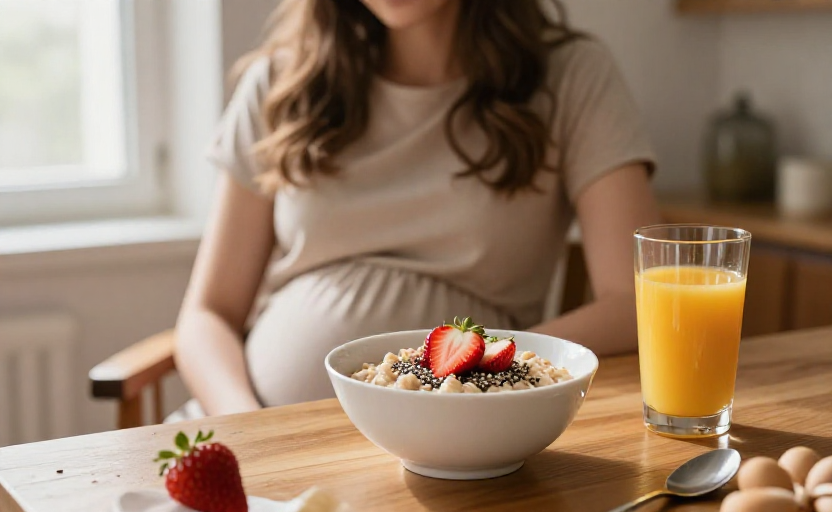
Pregnancy fatigue can feel like a heavy fog that no amount of sleep can lift. While some tiredness is normal, persistent low energy often points to an iron deficiency. Your blood volume nearly doubles during pregnancy, and iron is the key mineral your body uses to make the hemoglobin that carries oxygen to you and your baby.
Starting your day with an iron-rich breakfast can make a real difference in your energy levels. Here are five specific, whole-food ideas to help you replenish iron naturally and gently support your energy throughout the morning.
Why Iron Matters for Energy in Pregnancy
Iron is the central component of hemoglobin, which transports oxygen from your lungs to every cell in your body. When iron stores run low, your tissues receive less oxygen, and you feel drained, short of breath, or lightheaded. This condition — iron-deficiency anemia — affects up to half of all pregnancies by the third trimester.
Pairing iron-rich foods with vitamin C (like citrus, strawberries, or bell peppers) can boost absorption. Conversely, calcium and tannins found in dairy and coffee can inhibit absorption, so it helps to space those out from your iron-focused meals.
1. Spinach and Red Pepper Scramble
Eggs provide a modest amount of heme iron (the type most easily absorbed), while spinach brings a hefty dose of non-heme iron. Red bell peppers are rich in vitamin C, which triples your body’s ability to absorb the iron from the spinach.
Sauté a handful of fresh spinach in a little olive oil until wilted, then pour in two beaten eggs. Toss in diced red bell pepper and scramble gently. Serve with a slice of whole-grain toast for extra fiber and B vitamins that support energy metabolism.
2. Black Bean and Avocado Breakfast Bowl
Black beans are an excellent plant-based source of iron — half a cup provides about 2 milligrams. Avocado adds healthy fats and a creamy texture, while a squeeze of lime juice provides vitamin C.
Mash half an avocado and spread it in a bowl. Top with warm black beans (canned — rinsed and drained — works fine), a sprinkle of cilantro, and a pinch of cumin. Finish with a generous squeeze of lime. This breakfast is hearty, savory, and takes under five minutes to assemble.
3. Oatmeal with Hemp Seeds and Strawberries
Fortified instant oats often contain added iron, but even rolled oats provide a solid base. Hemp seeds add about 3 milligrams of iron per three tablespoons, plus protein and omega-3s. Sliced strawberries deliver vitamin C to boost absorption.
Cook your oats with water or a low-calcium milk alternative. Stir in a tablespoon of hemp seeds and top with a handful of sliced strawberries. A drizzle of blackstrap molasses (one tablespoon contains roughly 3.5 milligrams of iron) is an optional but powerful addition.
4. Liver Pâté on Seeded Crackers
Beef liver is one of the richest dietary sources of heme iron — a two-ounce serving provides about 6 milligrams. Liver also contains copper and vitamin B12, which are important for red blood cell production.
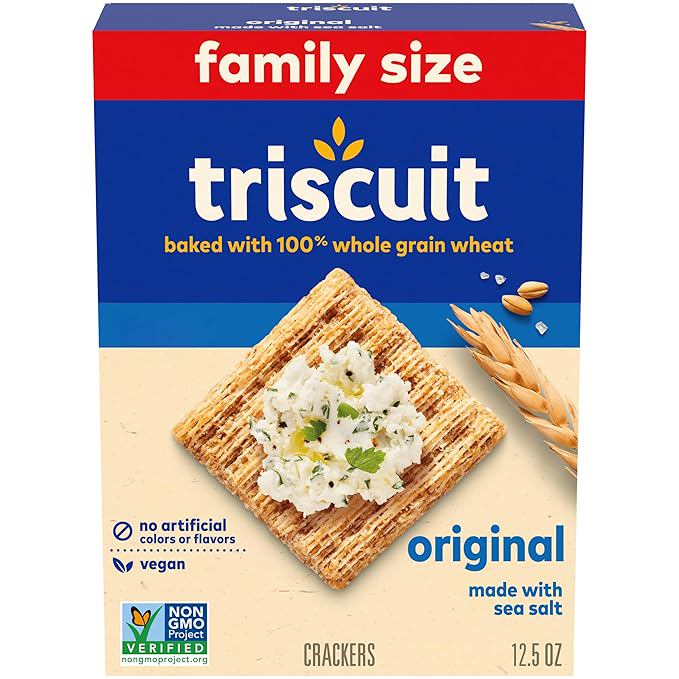
Because liver is high in vitamin A (which can be toxic in very high doses during pregnancy), stick to small amounts: a two-ounce serving once or twice per week is considered safe. Spread high-quality chicken or beef liver pâté on whole-grain seed crackers. Pair with a few slices of apple for a touch of vitamin C.
5. Tofu Scramble with Kale and Lemon
Firm tofu is a fantastic iron source — half a cup provides about 3.5 milligrams. Crumble it into a skillet and cook with a little turmeric (for color and mild anti-inflammatory properties) and a splash of vegetable broth. Add chopped kale, which also contributes iron and vitamin C. Finish with a squeeze of lemon juice to further enhance mineral absorption.
This plant-based scramble is especially helpful if you are avoiding animal products or find eggs unappealing during early pregnancy mornings.
Simple Tips to Maximize Iron Absorption
How you eat matters almost as much as what you eat. A few small shifts can significantly increase the iron your body actually uses:
- Include vitamin C at every iron-focused meal — a slice of orange, a squeeze of lemon, or a handful of berries.
- Wait 1–2 hours after an iron-rich meal before drinking coffee or tea, as tannins can block absorption.
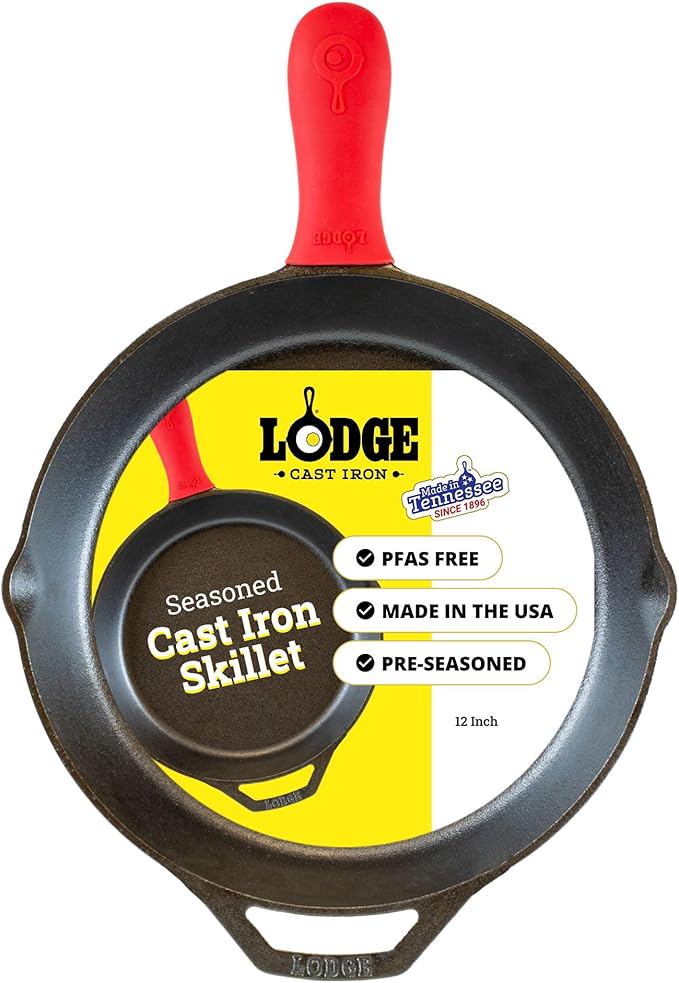
- Cook in a cast-iron skillet occasionally; small amounts of iron leach into acidic foods like tomato sauce or scrambled eggs.
- Avoid taking calcium supplements or antacids at the same time as iron-rich meals. If you need both, space them out by at least two hours.
Always talk to your healthcare provider before taking iron supplements. Whole food sources are a gentle first step, but some women need higher doses. Your provider can run a simple blood test to check your iron levels and guide you safely.
Iron-rich breakfasts don't have to be complicated or bland. These five meals are designed to fit into a real morning routine — quick to prepare, gentle on the stomach, and genuinely helpful for steady energy. Small, consistent choices at breakfast can help you face the rest of your day with more strength and less fatigue.