Starting your day with the right foods can be a simple, powerful act of care for your heart. What you eat for breakfast sets the tone for your metabolism, energy, and even your cholesterol levels. The good news is that improving those numbers doesn't require a complete dietary overhaul overnight. Often, it's about making a few thoughtful swaps—replacing one ingredient with another, or choosing a different preparation method—that can quietly add up to significant benefits over your morning coffee.
These swaps focus on increasing soluble fiber, incorporating heart-friendly fats, and reducing saturated fats and added sugars. They’re designed to be practical, satisfying, and far from punitive. Think of it less as taking things away and more as inviting in foods that actively support your cardiovascular health.
Why breakfast matters for cholesterol management
After a night of fasting, your body is primed to absorb nutrients from your first meal. This makes breakfast an ideal opportunity to introduce foods that help manage cholesterol. The two key players here are soluble fiber and unsaturated fats.
Soluble fiber acts like a sponge in your digestive tract, binding to cholesterol particles and helping to remove them from your body before they enter your bloodstream. Meanwhile, replacing sources of saturated fat with unsaturated fats can help lower levels of LDL (often called “bad” cholesterol) without affecting your HDL (“good” cholesterol). A strategic morning meal does this foundational work, helping you feel full and energized while quietly supporting your heart health goals.
Swap 1: Trade buttered toast for avocado toast
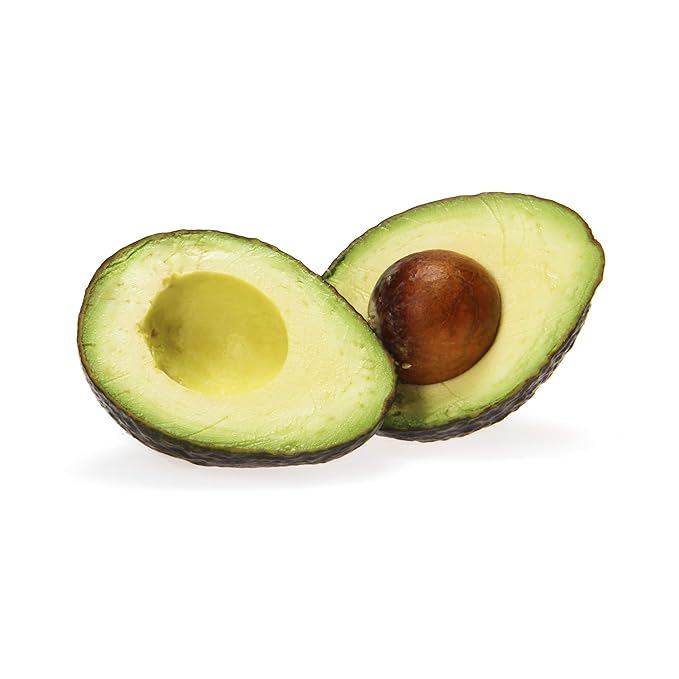
This popular switch is more than a food trend; it’s a heart-smart upgrade. While butter is high in saturated fat, avocado provides monounsaturated fat. This type of fat can help reduce LDL cholesterol when it replaces saturated fat in your diet.
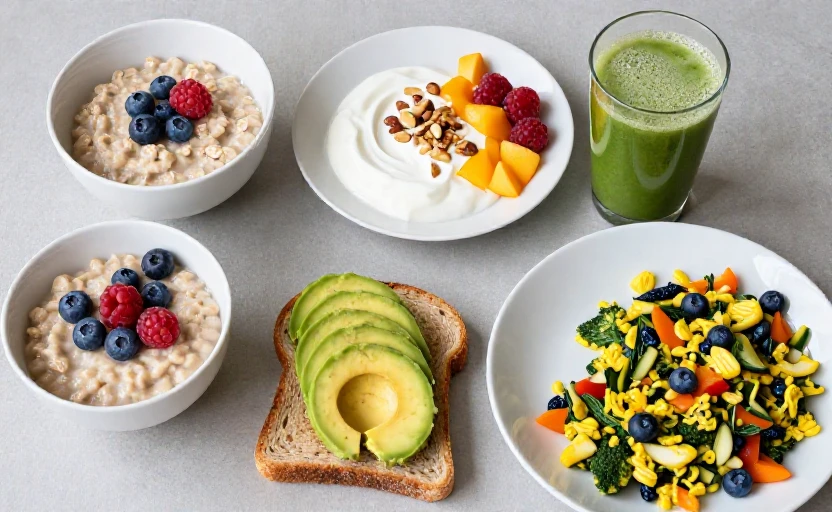
For the best benefit, start with a whole-grain or seeded bread for an extra fiber boost. Mash half an avocado with a squeeze of lemon juice, a pinch of black pepper, and perhaps some red pepper flakes. The creaminess is deeply satisfying, and the healthy fats help you absorb fat-soluble vitamins from other foods you might eat later.
Tip: If you’re used to the saltiness of butter, a light sprinkle of flaky sea salt or everything bagel seasoning on your avocado can make the transition seamless.
Swap 2: Choose oatmeal over sugary cereal
A bowl of colorful, sugary cereal can deliver a startling amount of added sugars with little to no fiber. Switching to plain oatmeal changes that equation entirely. Oats are rich in a specific type of soluble fiber called beta-glucan, which has been consistently shown to help lower LDL cholesterol.
The key is to build your bowl thoughtfully. Start with plain rolled or steel-cut oats. Sweeten it naturally with mashed banana while cooking, or top it with fresh berries. Add a tablespoon of ground flaxseed or chia seeds for more fiber and omega-3 fatty acids, and a sprinkle of cinnamon for flavor without sugar. You get a warm, comforting meal that stabilizes your blood sugar and provides lasting energy.
What about instant oatmeal packets?
Many flavored instant packets are loaded with added sugar. If you need convenience, look for plain instant oats or make a batch of steel-cut oats ahead of time to reheat throughout the week.
Swap 3: Opt for a smoothie instead of a pastry
A morning pastry is often a combination of refined flour, sugar, and saturated fat—a triple threat for spiking blood sugar and providing empty calories. A well-made smoothie, on the other hand, can be a nutrient-dense vehicle for cholesterol-friendly ingredients.
Build your smoothie with a base of unsweetened almond milk or oat milk. Add a handful of spinach (you won’t taste it), half a frozen banana for creaminess, and a generous portion of berries. For the heart-healthy punch, blend in a tablespoon of chia seeds or flaxseed, and perhaps a small scoop of plain oats. This swap trades a quick sugar rush for sustained energy and a powerful dose of fiber and antioxidants.
Swap 4: Select Greek yogurt with fruit over flavored yogurt
The yogurt aisle can be confusing. Many fruit-on-the-bottom or pre-flavored yogurts contain as much sugar as a dessert. Making your own version puts you in control.
Choose plain, unsweetened Greek yogurt. It’s higher in protein, which keeps you full, and has no added sugars. Top it with a half-cup of fresh or frozen-thawed berries and a small handful of walnuts or almonds. The nuts add crunch, monounsaturated fats, and plant sterols, compounds that can help block the absorption of cholesterol in the intestines.
Swap 5: Try a veggie scramble instead of a sausage breakfast sandwich
Processed meats like sausage and bacon are high in saturated fat and sodium. A vegetable-packed scramble offers a savory, satisfying alternative without the negative impact on cholesterol.
Whisk one or two eggs or use a liquid egg substitute. Pour into a non-stick pan and add a rainbow of vegetables: spinach, diced bell peppers, mushrooms, and onions. The vegetables add volume, fiber, and nutrients for very few calories. For extra flavor, use herbs like chives or dill, a dash of turmeric, or a sprinkle of nutritional yeast instead of relying on cheese or salt.
Serve this scramble on a slice of whole-grain toast or in a whole-wheat tortilla for a complete, portable meal that fuels you without weighing you down.
Making your new routine stick
Adopting new habits works best when you focus on addition, not deprivation. You’re not just “giving up” butter; you’re “gaining” the creamy richness of avocado with better fats. Start with one swap that feels easiest to you this week. Maybe it’s having oatmeal on Tuesday and Thursday mornings. Once that feels normal, add another.
Listen to your body. These foods are meant to make you feel energized and satisfied. If a particular swap doesn’t work for your taste or schedule, adjust it. The goal is a sustainable pattern of eating that supports your heart for the long term, not a perfect diet. Small, consistent changes at breakfast can lead to a lasting positive impact on your cholesterol and overall well-being.