
Living with atrial fibrillation (AFib) means paying close attention to what fuels your body. While no single food can cure an irregular heartbeat, a thoughtful diet can help manage underlying factors like blood pressure, inflammation, and electrolyte balance. The goal isn't a restrictive list of forbidden items—it's about consistently choosing foods that support your heart's rhythm and overall resilience.
Think of these five foods as reliable allies. They are not a replacement for prescribed treatments or regular checkups with your cardiologist, but they can be a powerful part of your daily routine. Small, steady choices add up.
1. Leafy Greens for Magnesium and Potassium
Dark leafy greens like spinach, kale, and Swiss chard are rich in two minerals that play a direct role in heart muscle function: magnesium and potassium. Magnesium helps regulate electrical signals in the heart, and low levels have been linked to a higher risk of arrhythmias. Potassium works alongside sodium to control fluid balance and nerve transmission, both critical for a steady heartbeat.
Aim for a serving or two each day. A simple salad with a light vinaigrette, a handful of spinach stirred into an omelet, or a side of sautéed kale with garlic can fit naturally into most meals. If you take blood thinners for AFib, keep your vitamin K intake consistent so your medication levels remain stable—talk to your doctor about what that looks like for you.
2. Fatty Fish for Omega-3s
Salmon, mackerel, sardines, and trout are packed with omega-3 fatty acids (EPA and DHA). These healthy fats are known for their anti-inflammatory effects, which can be particularly helpful for AFib. Chronic inflammation can contribute to structural changes in the heart that make arrhythmias more likely. Omega-3s also support healthy triglyceride levels and blood vessel function.
Two servings of fatty fish per week is a common recommendation. Grilled salmon with a squeeze of lemon or sardines on a whole-grain cracker are easy options.
If you don't eat fish, talk to your healthcare provider about whether an algae-based omega-3 supplement might be right for you. The key is consistency, not occasional large doses.
3. Berries for Antioxidants
Blueberries, strawberries, raspberries, and blackberries are loaded with anthocyanins—antioxidants that give them their deep colors. Oxidative stress is a known trigger for inflammation and tissue damage in the cardiovascular system. By neutralizing free radicals, antioxidants from berries help protect the delicate tissues of the heart and blood vessels.
Fresh or frozen berries (without added sugar) both work well. Sprinkle them over oatmeal, blend them into a smoothie, or eat them by the handful for a sweet, low-sodium treat. Their natural sweetness can also help reduce cravings for processed sweets that may not serve your heart health goals.
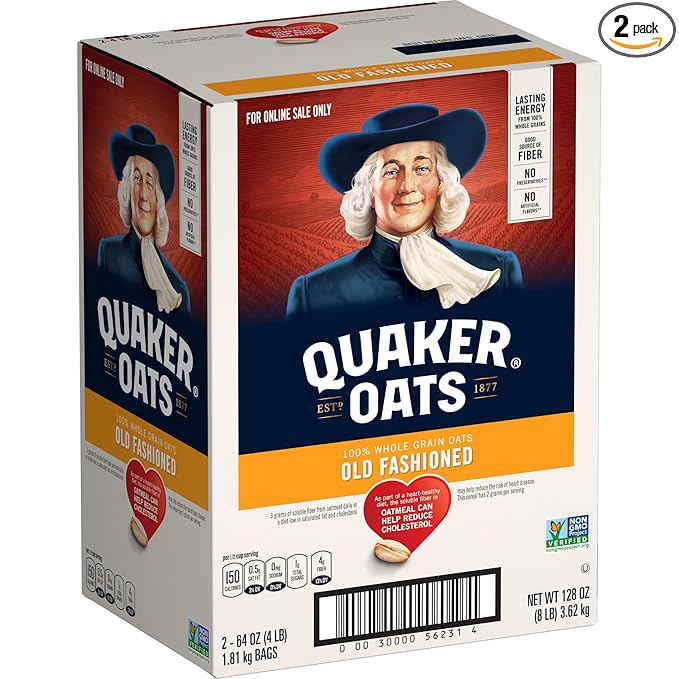
4. Oats for Fiber and Steady Energy
Whole rolled oats or steel-cut oats provide a steady release of soluble fiber, which can help lower LDL cholesterol. High cholesterol doesn't cause AFib directly, but it contributes to coronary artery disease, a condition that often coexists with AFib and can complicate its management. A heart that has to work against narrowed arteries is under extra strain.
Oats are also a good source of magnesium and help keep blood sugar stable. Choose plain oats and flavor them yourself with berries, a sprinkle of cinnamon, or a small spoonful of nut butter. Avoid instant packets loaded with added salt and sugar.
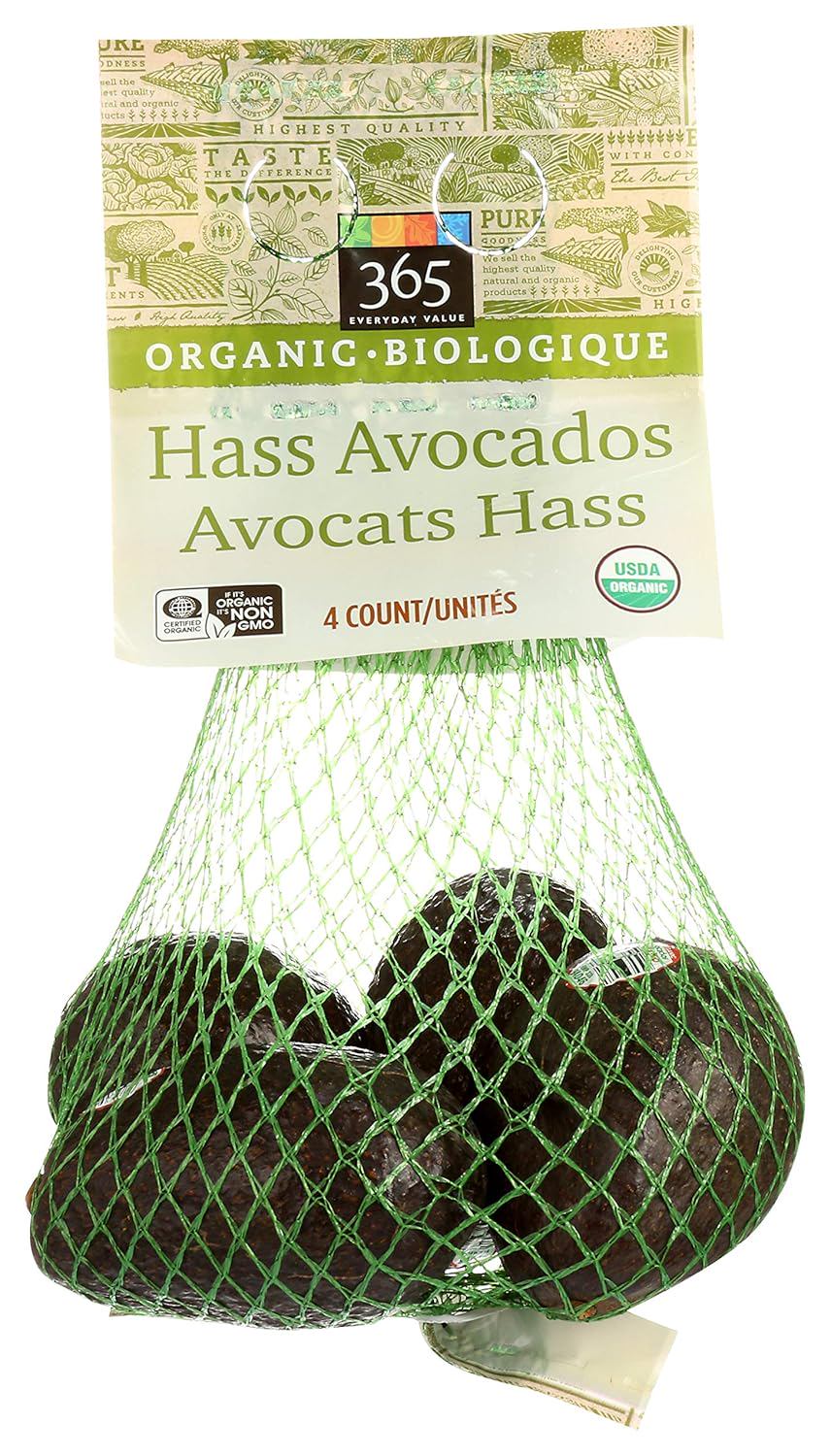
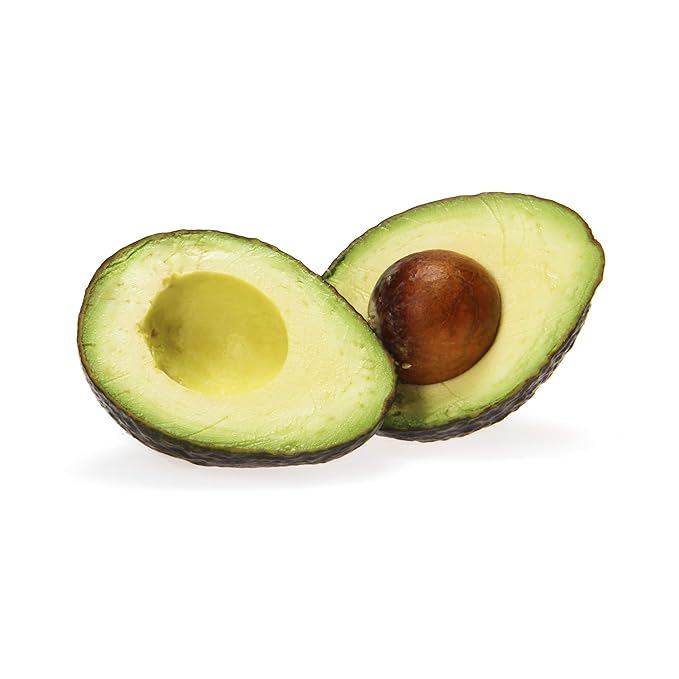
5. Avocados for Healthy Fats and Potassium
Avocados are a rich source of monounsaturated fats, which support healthy cholesterol levels, and they provide more potassium per gram than many other fruits. For someone with AFib, maintaining adequate potassium is vital because even mild imbalances can affect the heart's electrical activity.
A quarter to half an avocado a day is a reasonable serving. Mash it on whole-grain toast, slice it into a salad, or blend it into a smoothie for creaminess without dairy. Their richness can also help you feel satisfied, reducing the temptation to reach for salty or sugary snacks that can spike blood pressure or cause fluid retention.
Building a heart-friendly diet for AFib is not about perfection. It's about creating a pattern of eating that supports your heart's natural rhythm, keeps inflammation in check, and provides the steady fuel your body needs. Pair these foods with adequate hydration, limited alcohol, and minimal added salt—and always run any major dietary changes by your healthcare team.