For those navigating polycystic ovary syndrome (PCOS), food can feel like a complicated landscape. One meal might leave you energized, while another seems to amplify symptoms like fatigue, cravings, or irregular cycles. While no single diet is a cure, certain foods consistently stand out in the nutrition plans dietitians create for hormone health. These aren't restrictive "good" or "bad" lists, but rather strategic choices that support your body's inherent rhythms.
The connection between what you eat and how you feel with PCOS is deeply rooted in insulin sensitivity and inflammation. Many with PCOS experience insulin resistance, where the body struggles to use insulin effectively, leading to higher insulin levels. This excess insulin can disrupt ovarian function and increase androgen production. Simultaneously, chronic, low-grade inflammation can worsen insulin resistance and symptom severity. The foods highlighted here work by gently improving insulin sensitivity, calming inflammation, and providing the specific nutrients your body needs to build and regulate hormones more smoothly.
What makes a food helpful for PCOS?
Before diving into specific items, it helps to understand the framework dietitians use. They look for foods that deliver on a few key fronts: fiber to slow sugar absorption and support gut health, healthy fats to reduce inflammation and serve as hormone building blocks, and protein to promote satiety and stabilize blood sugar. They also prioritize foods rich in specific micronutrients—like magnesium, chromium, and inositol—that are often involved in insulin signaling and ovarian function. The goal is nourishment, not deprivation, building meals that are satisfying and supportive.
Five foundational foods for hormone balance
These five categories form a reliable foundation. Think of them as allies to incorporate regularly, not as magic bullets to consume in isolation.
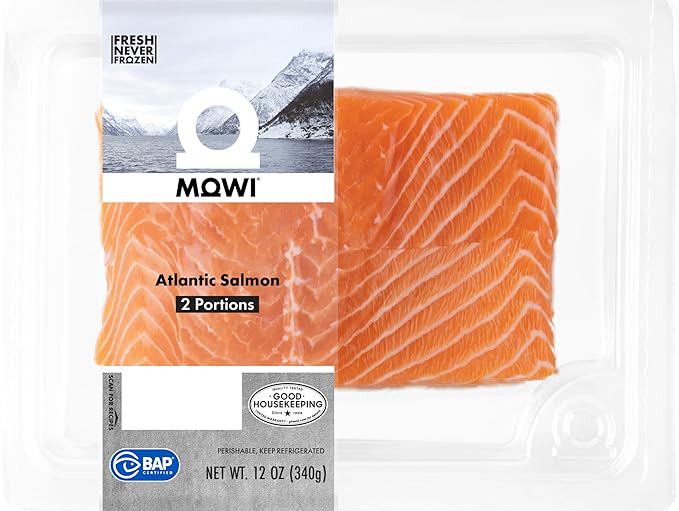
Fatty fish like salmon and sardines
The omega-3 fatty acids (specifically EPA and DHA) found in cold-water fish are powerful allies. They are fundamentally anti-inflammatory, helping to quiet the systemic inflammation associated with PCOS. Furthermore, these healthy fats improve cell membrane fluidity, which can enhance how cells respond to insulin. Dietitians often recommend aiming for two servings per week.
Not a fan of fish? A quality algae-based omega-3 supplement can be a plant-based alternative, though food sources offer a broader nutrient package.
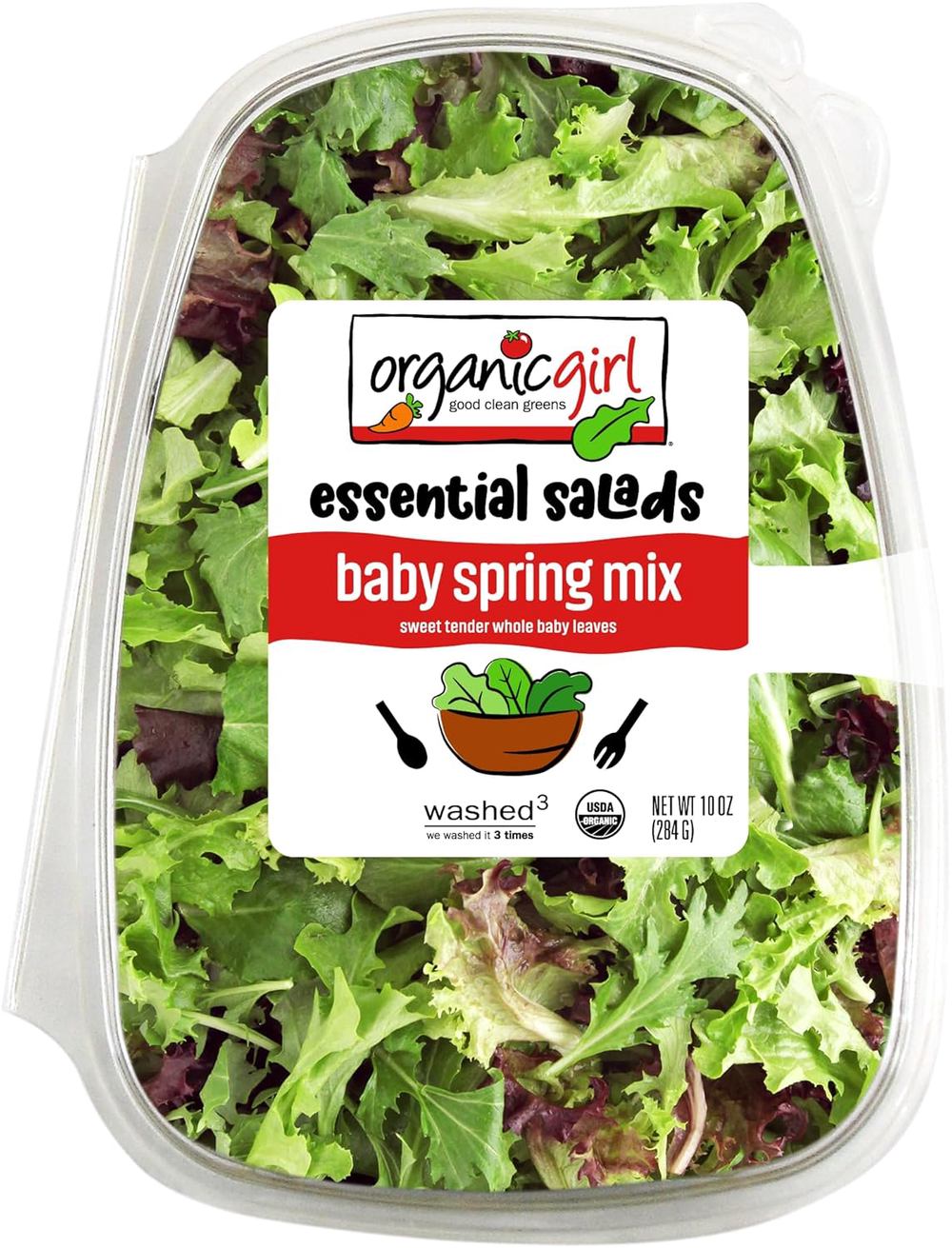
Leafy green vegetables
Spinach, kale, Swiss chard, and collard greens are nutrient powerhouses. They are excellent sources of magnesium, a mineral that plays a crucial role in glucose metabolism and insulin action—and one that many with PCOS are deficient in. Their high fiber content aids in blood sugar regulation and supports a healthy gut microbiome, which is increasingly linked to hormone metabolism. They also provide folate, essential for cellular processes.
Legumes: lentils, chickpeas, and black beans
Legumes are a triple-threat for PCOS management. They provide a unique combination of high fiber and plant-based protein, which together create a slow, steady release of energy and help manage insulin response. They are also rich in inositol, a compound that research suggests can improve insulin sensitivity and ovarian function in PCOS. Their versatility makes them an easy addition to soups, salads, and bowls.
Berries
When a sweet craving hits, berries are a dietitian's top recommendation. Compared to other fruits, berries like raspberries, blueberries, and strawberries are lower in sugar and exceptionally high in fiber and antioxidants. The antioxidants combat oxidative stress, a component of inflammation, while the fiber moderates the fruit's natural fructose impact on blood sugar. Frozen berries are just as nutritious and often more affordable.
Nuts and seeds
A handful of walnuts, almonds, or pumpkin seeds is more than a snack. Nuts and seeds provide healthy fats, fiber, and plant protein. They are also key sources of zinc and magnesium. Flaxseeds and chia seeds are particularly notable for their soluble fiber, which supports blood sugar control, and lignans, which may help modulate estrogen levels. Pumpkin seeds are a great source of magnesium and zinc, which supports immune function and hormone production.
How to build your plate
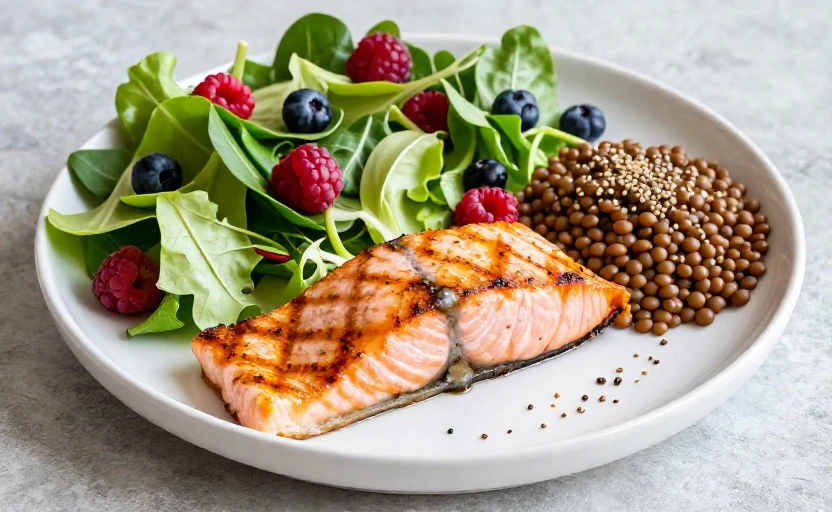
Knowing which foods to reach for is one thing; putting them together is another. A simple, effective approach is the "plate method." Aim to fill half your plate with non-starchy vegetables (like those leafy greens), a quarter with a quality protein (like fatty fish or legumes), and a quarter with a complex carbohydrate rich in fiber (like lentils or quinoa). Add a serving of healthy fat (like a sprinkle of seeds or avocado) to complete the meal. This balance naturally incorporates the supportive foods and manages the insulin response.
Remember, consistency over perfection matters most. Incorporating these foods regularly, while also managing stress, prioritizing sleep, and engaging in enjoyable movement, creates a synergistic effect. It's about building a sustainable pattern of eating that makes you feel nourished and steady, meal by meal.
A note on individual needs
While these foods are broadly supportive, PCOS presents differently for everyone. Some may find certain foods, even healthy ones, don't agree with them personally. Working with a registered dietitian who specializes in PCOS can help you tailor these principles to your unique body, preferences, and health goals. They can help you navigate nuances and create a plan that feels empowering, not restrictive.