
That sudden wave of dizziness, the graying of your vision, the feeling that you might slide right off your chair—it's a troubling experience that can strike without warning. Whether you're dealing with postural hypotension, a vasovagal response, or simply a day when your blood pressure dipped a little too low, the instinct to reach for something to eat is a smart one.
Your body is signaling that it needs help maintaining blood flow to the brain. While severe or recurrent episodes deserve a doctor's attention, quick dietary choices can help restore stability when you're in the moment. Here are five foods that deliver the right combination of sodium, fluids, and steady energy to help you feel grounded again.
Why food can help with a blood pressure dip
When blood pressure drops, your tissues and brain aren't getting enough oxygenated blood. That's what causes that floating, head-rush sensation. The body's natural countermeasure involves narrowing blood vessels and retaining fluid to boost volume. Certain foods can assist this process by providing sodium (which helps hold water in your bloodstream) and quick glucose (to supply the brain with fuel).
Of course, if you have high blood pressure, heart failure, or kidney issues, you'll need to be cautious with sodium—talk to your healthcare provider about what's safe for you. For occasional, mild dips, however, the following options offer targeted support.
Saltine crackers or pretzels
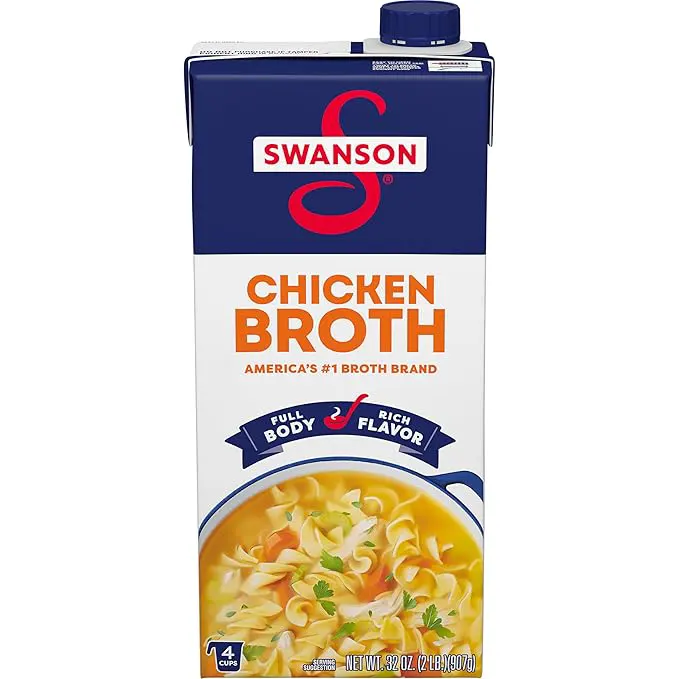
Soup is a classic comfort food for good reason. Broth-based varieties (think chicken or vegetable broth) are rich in sodium and water—two things your blood vessels need when pressure is lagging. The warm liquid is also easy to sip when you're feeling too shaky to chew much.
A cup of broth can be surprisingly effective for orthostatic hypotension (the kind that hits when you stand up too fast). The sodium encourages fluid retention, which increases blood volume and helps push pressure back up into a normal range. Look for low-sodium options if you're watching your salt intake, but for an acute moment, regular broth is the more appropriate choice.
Soup (especially broth-based)
A handful of salted crackers or pretzels might be the most direct way to get sodium into your system quickly. The salt acts almost instantly to help your body hold onto water, while the simple carbohydrates in the crackers provide a fast energy boost to your brain.
These foods are also easy on a queasy stomach—an important detail since nausea often accompanies a drop in blood pressure. Keep a small packet of crackers in your bag or desk drawer for those moments when you feel the warning signs.
Celery with salted peanut butter
This classic snack pairs the hydrating crunch of celery with the salty, protein-rich creaminess of peanut butter. The celery provides water and a bit of fiber; the salt on the peanut butter (or added separately) helps raise blood volume; and the protein and healthy fats in the nuts offer a more sustained release of energy than plain sugar alone.
This combination is especially useful when you know you won't be able to eat a full meal for a while. It bridges the gap between a quick fix and longer-lasting satiety.
Pickles or pickle juice
Yes, this is an unconventional one—but many people who experience frequent blood pressure drops swear by it. Pickles are essentially cucumbers soaked in a salt brine, which means they deliver a potent dose of sodium and fluid in a single bite. Pickle juice, in particular, is sometimes used by athletes to quickly restore electrolyte balance after exertion.
If you're open to it, eating one spear or drinking a small amount of the brine (a few teaspoons, not the whole jar) can help stabilize things within minutes. Just be mindful: the high sodium content means this isn't a daily habit unless your doctor recommends it.
A quick note: If these tips become a daily necessity—if you're relying on salty foods to get through most days—it's time to see a healthcare provider. Frequent fainting or dizziness can signal an underlying issue that needs proper diagnosis.