
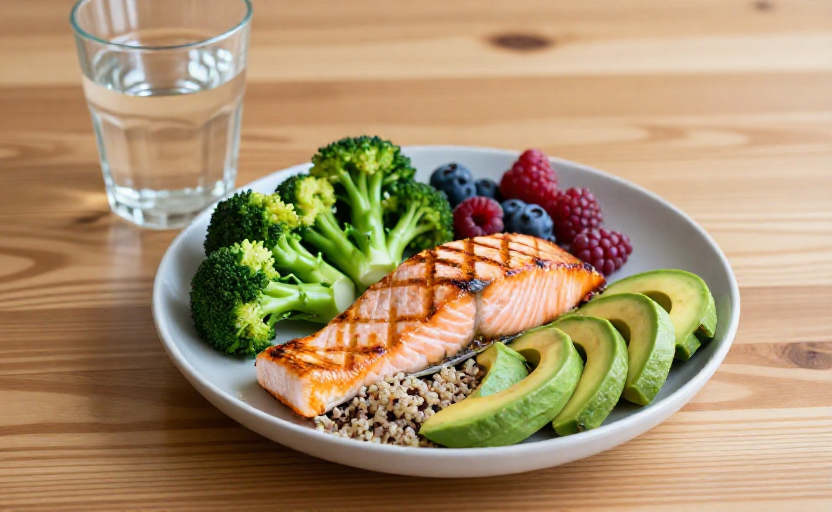
Polycystic ovary syndrome (PCOS) affects how the ovaries work, often throwing reproductive hormones out of balance. While the condition is complex, diet is one area where small changes can make a real difference in how you feel day to day. Dietitians often emphasize that no single food "cures" PCOS, but choosing the right foods can help manage insulin levels, reduce inflammation, and support hormone balance. Here are five foods that consistently come up in nutrition counseling for PCOS, along with why they help.
Leafy Greens and Cruciferous Vegetables
Vegetables like spinach, kale, broccoli, and cauliflower are packed with fiber, vitamins, and anti-inflammatory compounds. Fiber is especially important for PCOS because it slows down the digestion of carbohydrates, which helps keep blood sugar stable. When blood sugar doesn't spike, the body doesn't need to release as much insulin. Since many women with PCOS have some degree of insulin resistance, keeping insulin in check is a primary goal. Cruciferous vegetables also contain indole-3-carbinol, a compound that may help the body process estrogen more efficiently—potentially easing hormone imbalances.
Lean Protein Sources
Including protein at meals and snacks can help balance blood sugar and keep you feeling full longer. Good choices include chicken breast, turkey, fish, eggs, tofu, and legumes. Protein slows the absorption of glucose into the bloodstream, which prevents the sharp rises and falls in blood sugar that can trigger more insulin release and worsen PCOS symptoms. Some dietitians also suggest fatty fish like salmon or mackerel a couple of times per week for their omega-3 fatty acids, which have anti-inflammatory effects that may benefit ovarian health.
Whole Grains Over Refined Carbs
Swapping white bread, white rice, and sugary cereals for whole grains like oats, quinoa, brown rice, and barley can have a noticeable impact on energy and cravings. Whole grains are rich in fiber, which promotes slower digestion and a gentler rise in blood sugar. This is crucial for PCOS management because high insulin levels can signal the ovaries to produce more testosterone, worsening symptoms like acne and unwanted hair growth. A simple switch to whole-grain versions of your favorite carbs is one of the most practical changes you can make.
Berries and Other Low-Glycemic Fruits
Fruit is not off-limits when you have PCOS, but choosing fruits with a lower glycemic load helps keep blood sugar steady. Berries—such as strawberries, blueberries, raspberries, and blackberries—are excellent options. They're packed with antioxidants, fiber, and vitamins, and they have a minimal impact on blood sugar compared to tropical fruits like mangoes or pineapple. The antioxidants in berries may also help reduce oxidative stress, which is often elevated in women with PCOS and is linked to long-term health complications.
Healthy Fats From Avocados, Nuts, and Seeds
Healthy fats are essential for hormone production and absorption of fat-soluble vitamins. Avocados, almonds, walnuts, chia seeds, and flaxseeds are all great sources. Flaxseeds, in particular, contain lignans, which can help balance estrogen by supporting the body's natural detoxification pathways. Including a small handful of nuts or a tablespoon of seeds with meals can improve satiety and reduce the likelihood of reaching for sugary snacks. Dietitians often point out that fat is not the enemy—it's about choosing unsaturated fats over processed trans fats.
A practical tip from dietitians: Focus on building a plate that includes a lean protein, a colorful vegetable, a small portion of whole grains or starchy vegetables, and a source of healthy fat. This template alone can help stabilize blood sugar across the day.
While these five categories of food are helpful, it's also important to note what to limit. Sugary drinks, highly processed snacks, and refined carbohydrates tend to worsen insulin resistance. Small, consistent changes—like swapping sugary cereal for oatmeal with berries or adding a handful of spinach to your smoothie—can accumulate into meaningful symptom relief over time. As always, work with a registered dietitian or healthcare provider to tailor these suggestions to your individual needs, especially if you are managing other health conditions or taking medications.