When your thyroid is underactive, your body’s metabolic processes slow down, and one of the first places this shows is often your hair. You might notice thinning, increased shedding, or a lackluster texture. While medication is the primary treatment for hypothyroidism, what you eat plays a supporting role—especially when it comes to nourishing hair follicles from the inside out.
The right foods can supply the specific nutrients your scalp and hair strands need to grow stronger and resist breakage. Below are five evidence-backed foods to focus on if you are navigating an underactive thyroid and want to support healthier, more resilient hair.
Why an underactive thyroid affects hair
Thyroid hormones are essential for the growth and renewal of hair follicles. When levels of T3 and T4 are low, more hair follicles than usual may enter a resting (telogen) phase, leading to increased shedding. Additionally, the hair that does grow may be weaker, finer, and more prone to breakage. Addressing nutrient gaps can help counteract these effects, even if your thyroid levels are still being optimized.
1. Eggs
Eggs are a powerhouse for hair health, especially when your thyroid is underactive. They provide high-quality protein, which is the building block of hair (hair is mostly keratin, a type of protein). Eggs also contain biotin, a B vitamin that supports keratin production. Biotin is especially relevant for people with hypothyroidism, as some research suggests a connection between low biotin levels and hair thinning.
Additionally, eggs are a natural source of iodine (in the yolk) and selenium—both critical for thyroid function. The selenium in just one or two eggs can contribute to your daily needs and help protect the thyroid gland from oxidative stress.
Try incorporating eggs into your morning routine: scrambled, poached, or as part of a vegetable frittata. Pair them with a side of dark leafy greens or avocado for added nutrient diversity.
2. Fatty fish (salmon, mackerel, sardines)
Fatty fish are rich in omega-3 fatty acids, which have anti-inflammatory properties. Inflammation can exacerbate hair follicle issues, particularly in autoimmune thyroid conditions like Hashimoto’s thyroiditis. Omega-3s help calm that inflammatory response and keep the scalp environment healthy.
Fatty fish are also one of the few dietary sources of vitamin D. Low vitamin D levels have been linked to both hypothyroidism and increased hair shedding. Including two servings of fatty fish per week can help boost your vitamin D and omega-3 status, which may translate to stronger, less brittle hair.
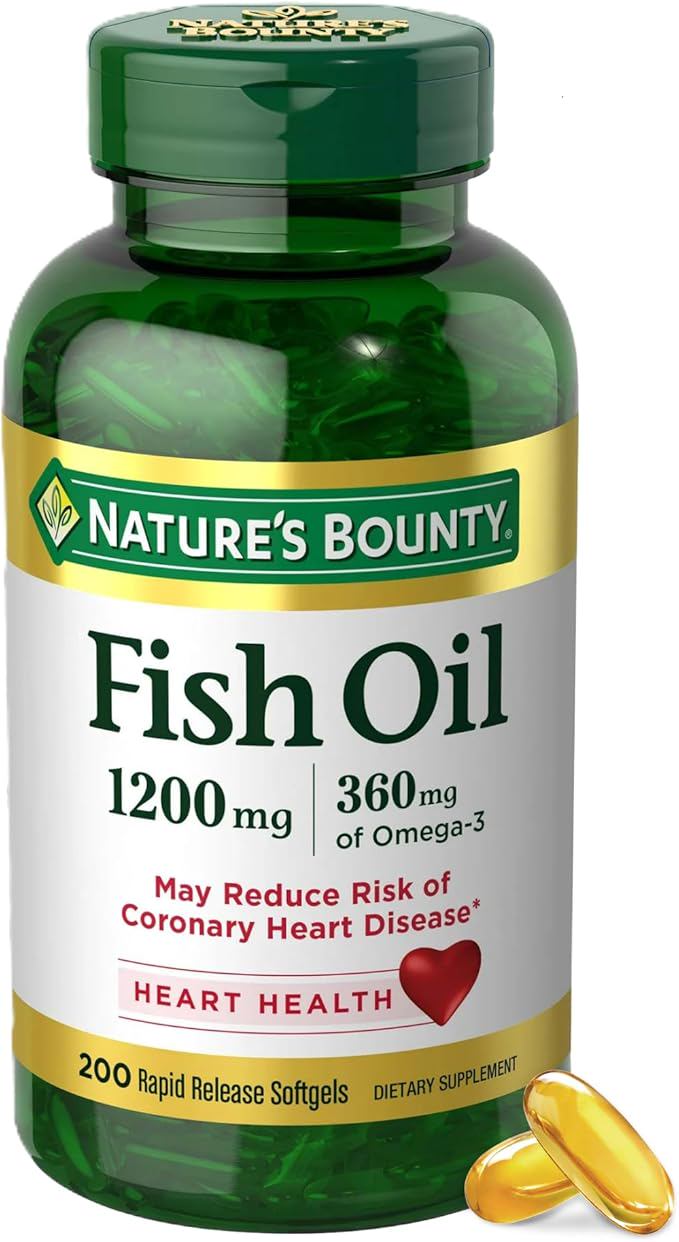
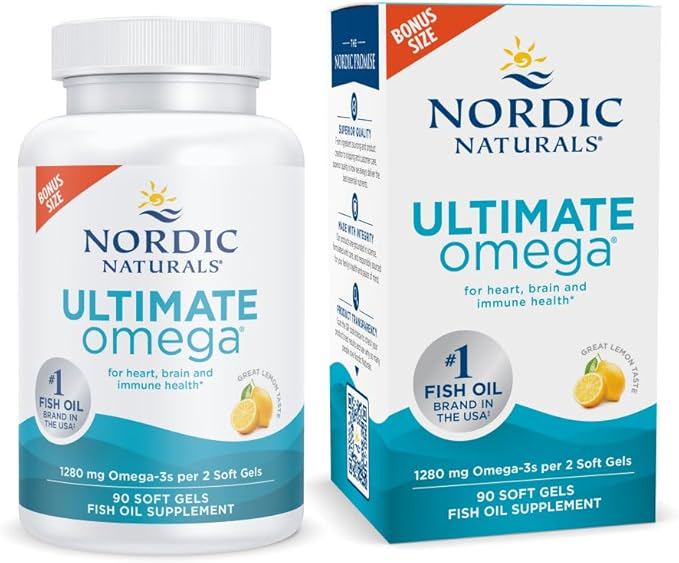
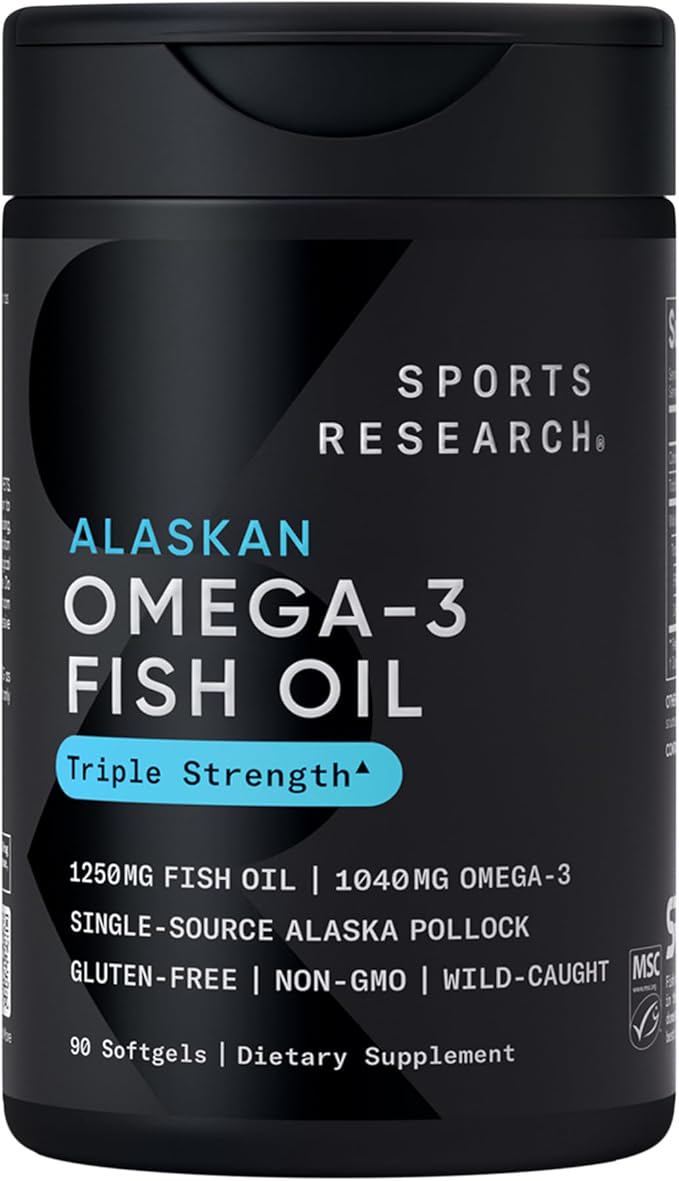
If you are not a fish eater, consider discussing a high-quality fish oil or algae-based omega-3 supplement with your healthcare provider.
3. Pumpkin seeds
Pumpkin seeds are a concentrated source of zinc, a mineral that plays a critical role in hair tissue growth and repair. Zinc deficiency is common in people with hypothyroidism, partly because the condition can impair absorption. Without enough zinc, hair may become thin and prone to breakage.
These seeds also provide iron and magnesium. Iron helps red blood cells carry oxygen to hair follicles; low iron stores are another known contributor to hair loss, particularly in women. Magnesium supports hundreds of biochemical reactions, including those related to thyroid hormone production.
A handful of pumpkin seeds makes an easy snack, or you can sprinkle them over salads, oatmeal, or yogurt. For better absorption, avoid eating them alongside calcium-rich foods or supplements, as calcium can interfere with zinc uptake.
4. Brazil nuts
Brazil nuts are one of the richest natural sources of selenium. Selenium is essential for the conversion of the thyroid hormone T4 (inactive) into T3 (active). Adequate selenium levels also help reduce thyroid antibodies in autoimmune hypothyroidism, which may indirectly support hair health.
Just one or two Brazil nuts per day provides the recommended selenium intake—more than that can lead to toxicity. When eaten in moderation, these nuts can help strengthen the hair shaft and reduce shedding.
Be mindful not to overconsume. Keep a few Brazil nuts in a small dish as a daily habit rather than eating handfuls at once.
5. Lentils
Lentils are an excellent plant-based source of iron, folate, and protein—all nutrients that contribute to hair strength and growth. Iron deficiency is particularly common in hypothyroidism, as low thyroid function can reduce stomach acid, which impairs iron absorption from food. Lentils provide non-heme iron in a form that is gentle on the stomach.
Folate (vitamin B9) supports red blood cell production and cell division, both of which are needed for hair follicle activity. Pairing lentils with a source of vitamin C, such as lemon juice or bell peppers, boosts iron absorption. A warm lentil soup or a lentil salad with chopped veggies is a thyroid-friendly meal addition.
Putting it all together: a sample eating pattern
You don’t need to overhaul your entire diet overnight. A simple approach is to combine some of these foods into balanced meals. For breakfast, have two scrambled eggs with a side of sautéed spinach. For lunch, enjoy a lentil soup with a squeeze of lemon. For a snack, grab a handful of pumpkin seeds and one Brazil nut. For dinner, a grilled salmon fillet with roasted vegetables ties it all together.
A note on balance: While these foods support hair health, they work best as part of a nutrient-dense overall diet. Avoid extreme restrictions or over-supplementing, as too much of certain nutrients (like iodine or selenium) can worsen thyroid function.
If your thyroid levels are still not stable despite medication and diet adjustments, consult your healthcare provider. Hair regrowth often takes several months to become visible, so be patient with the process and consistent with the choices you make each day.