A diagnosis of coronary artery disease (CAD) can feel overwhelming. It often comes with a list of restrictions—what to stop eating, what to avoid, what to limit. But the conversation shifts powerfully when you focus on what to add to your plate. After a CAD diagnosis, strengthening your arterial health is an active, daily process, and the right foods are some of your most effective tools.
The goal isn't to erase the diagnosis, but to support the body's own repair mechanisms. We're talking about foods that reduce systemic inflammation, improve endothelial function (the lining of your blood vessels), stabilize plaque, and help manage blood pressure and cholesterol. These five foods are backed by research specifically relevant to post-CAD nutrition. Remember, no single food is a cure, and these should complement—not replace—your medical treatment plan. Always discuss dietary changes with your cardiologist or a registered dietitian who specializes in cardiac care.
1. Fatty Fish: The Inflammation Tamer
Fatty fish like salmon, mackerel, sardines, and albacore tuna are rich in omega-3 fatty acids (EPA and DHA). These aren't just general 'good fats'; they are potent signaling molecules that help the body produce resolvins and protectins—compounds that actively turn off inflammation. For someone with CAD, chronic inflammation is a key driver of plaque progression and instability. A 2021 review in Circulation underscored that higher omega-3 intake is associated with lower risks of cardiovascular events in people with existing heart disease.
How to eat it: Aim for two 3.5-ounce servings per week. Canned sardines on a salad, grilled salmon with lemon and dill, or baked mackerel are simple, no-fuss options. If you don't eat fish, talk to your doctor about a high-quality, molecularly distilled fish oil supplement—but whole food comes first.
2. Berries: The Endothelial Protectors
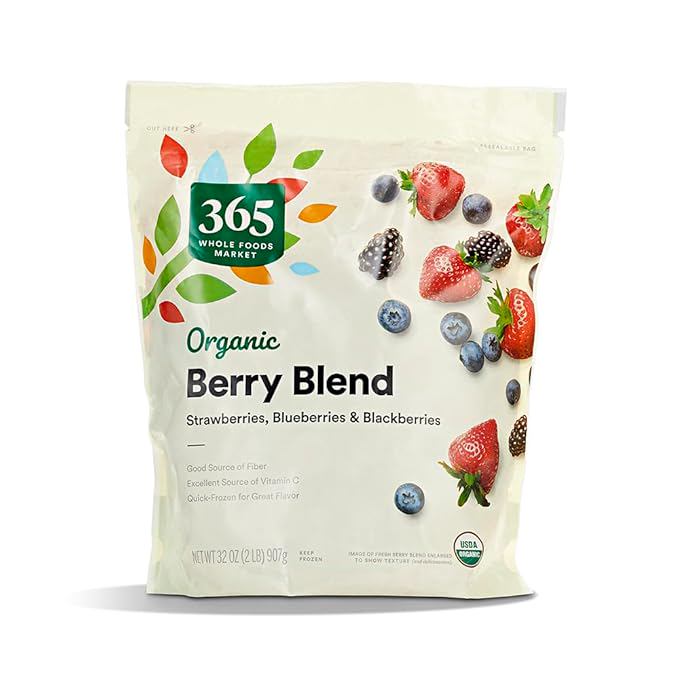
Blueberries, strawberries, raspberries, and blackberries are packed with anthocyanins, the pigments that give them their deep colors. These compounds have been shown to improve endothelial function—the ability of your arteries to dilate and relax. In a 2013 study published in the Journal of the Academy of Nutrition and Dietetics, adults with metabolic syndrome who ate a cup of blueberries daily showed significant improvements in vascular function. For a heart with CAD, better endothelial function means less stiffness and lower blood pressure on the artery walls.
How to eat them: Fresh or frozen work equally well. Add a handful to oatmeal, plain yogurt, or a smoothie. The fiber in berries also helps bind cholesterol in the gut, offering a second layer of benefit.
3. Oats: The Cholesterol Sinker
The humble oat is a standout for a very specific reason: beta-glucan. This soluble fiber forms a gel-like substance in your digestive tract that traps cholesterol-rich bile acids and escorts them out of your body. Your liver then has to pull more cholesterol from your blood to make new bile, effectively lowering LDL (the 'bad') cholesterol levels. The FDA has approved a health claim stating that 3 grams of beta-glucan per day, as part of a diet low in saturated fat and cholesterol, may reduce the risk of heart disease.
How to eat them: Choose steel-cut or rolled oats over instant varieties, which can spike blood sugar. A bowl of oatmeal for breakfast with berries and a sprinkle of cinnamon covers a lot of ground. Oats also make a great base for savory bowls—think oat risotto with mushrooms and spinach.
4. Leafy Greens: The Nitrate Powerhouse
Spinach, kale, Swiss chard, arugula, and beet greens are naturally rich in dietary nitrates. Unlike the synthetic nitrates in processed meats, dietary nitrates are converted by your body into nitric oxide. Nitric oxide is a vasodilator—it relaxes the inner muscles of your blood vessels, allowing them to widen and improving blood flow. This is critical for someone with CAD, where narrowed arteries struggle to deliver oxygen efficiently. A 2016 study in The Journal of Nutrition found that a daily serving of nitrate-rich vegetables was associated with lower blood pressure and a reduced risk of cardiovascular disease.
How to eat them: Have a salad with dinner, toss a handful of spinach into a frittata or smoothie, or sauté kale with garlic and a drizzle of olive oil. Beet greens are often discarded, but they are a nutritional goldmine—try them the same way you'd cook Swiss chard.
5. Walnuts: The Plaque Stabilizer
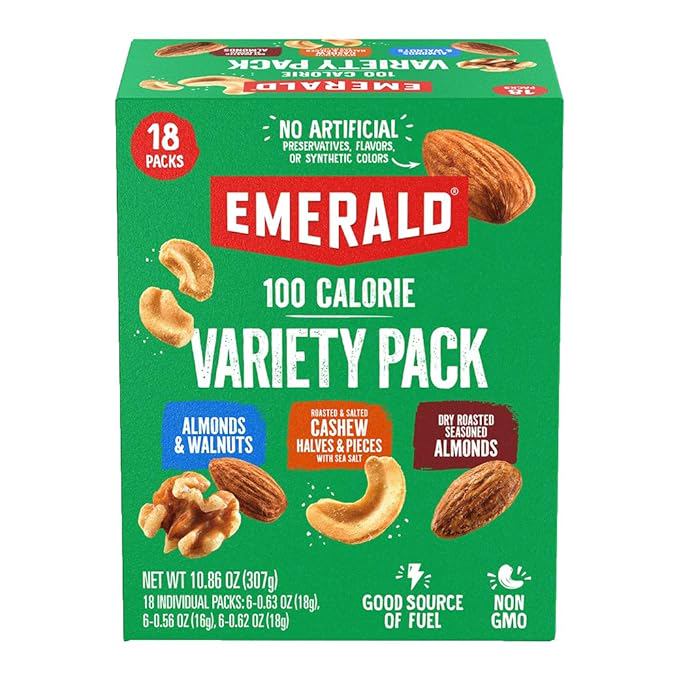
Walnuts are unique among nuts because they are especially high in alpha-linolenic acid (ALA), a plant-based omega-3 fat, and ellagic acid, a compound linked to improved arterial flexibility. Eating a small handful of walnuts daily has been associated with better cholesterol profiles and less inflammation. A landmark 2013 study in The American Journal of Clinical Nutrition found that substituting walnuts for some of the saturated fat in participants' diets led to more stable, less rupture-prone plaques. For people with CAD, plaque stability is just as important as plaque reduction—a stable plaque is less likely to cause a clot and a heart attack.
How to eat them: A one-ounce portion is about 14 walnut halves. Keep them raw and unsalted. Sprinkle them on oatmeal, slice them into a chicken salad, or simply eat them as a standalone snack. The key is moderation—they are calorie-dense.
Putting this into practice doesn't require a total kitchen overhaul. Start with one swap: a cup of berries for dessert instead of a cookie, a fistful of spinach in your lunch wrap, or salmon on the grill twice a week. Over weeks and months, these small, consistent choices build a powerful dietary foundation that actively works for your arteries, not just against more damage.