When the days grow shorter and the light fades, many of us feel a familiar shift in our mood. This seasonal slump, often called seasonal affective disorder (SAD), is more than just the winter blues; it's a recognized pattern of depression linked to changes in light and season. While light therapy and lifestyle changes are foundational, what we put on our plates can be a powerful, supportive tool. Dietitians point to specific foods that can help nourish the brain and body during these challenging months.
These foods don't act as a cure, but they provide the essential building blocks for neurotransmitters that regulate mood, help reduce inflammation linked to depression, and support overall energy levels. Think of it as giving your brain the nutritional armor it needs to better weather the seasonal storm.
How can food help with seasonal depression?
Seasonal shifts can disrupt our circadian rhythms and lower serotonin, a key neurotransmitter that stabilizes mood, sleep, and appetite. Certain nutrients directly support the production and function of these brain chemicals. For instance, tryptophan is an amino acid your body uses to make serotonin, while omega-3 fatty acids are crucial for brain cell membrane health and reducing inflammation, which is often elevated in depressive states.
Furthermore, a lack of sunlight can lead to vitamin D deficiency, which is heavily implicated in mood regulation. Focusing on a diet rich in these supportive nutrients can be a tangible, daily step toward feeling more balanced.
Food is one piece of the wellness puzzle—it works alongside other strategies like light exposure, movement, and professional support.
Foods to focus on
Instead of a rigid list, consider weaving these food categories into your regular meals. Variety and consistency matter more than any single superfood.
Fatty fish
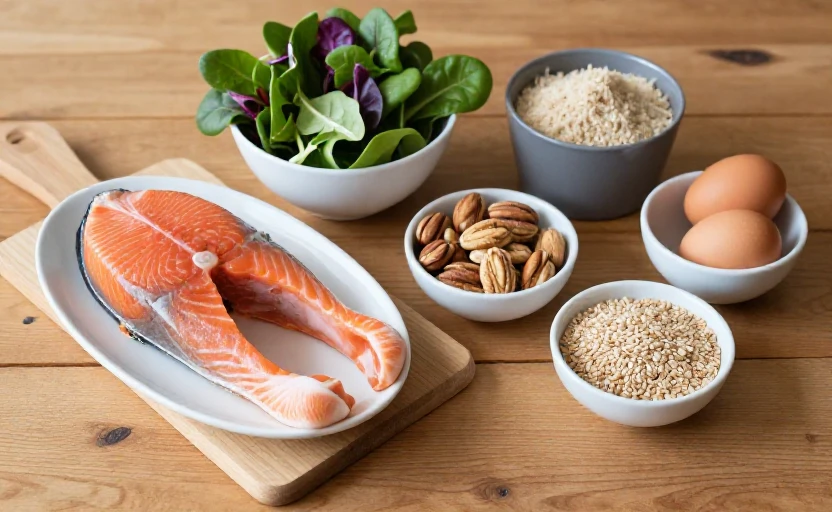
Salmon, mackerel, sardines, and herring are among the best sources of the omega-3 fatty acids EPA and DHA. These fats are fundamental components of brain tissue and have strong anti-inflammatory properties. Research consistently links higher intake of these fats with a lower risk of depressive symptoms.
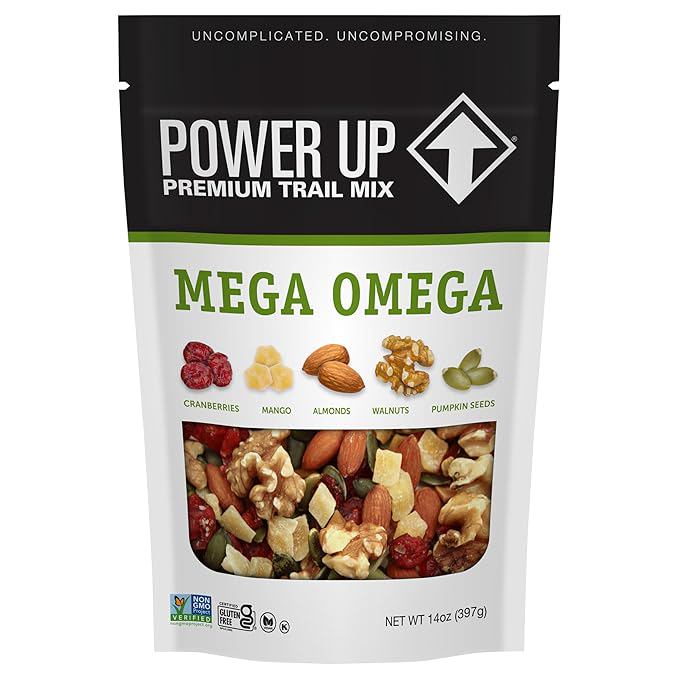
If fish isn't to your taste, other options exist. Walnuts, flaxseeds, and chia seeds provide a plant-based omega-3 called ALA, which the body can convert in small amounts to the more active forms found in fish.
Dark leafy greens
Spinach, kale, Swiss chard, and collard greens are packed with folate (vitamin B9). This vitamin plays a critical role in producing dopamine and serotonin. Low folate levels are associated with a poor response to antidepressants and depressive symptoms.
These greens are also rich in magnesium, a mineral that supports nerve function and can have a calming effect. Try adding a handful to soups, smoothies, or scrambles.
Complex carbohydrates
Whole grains like oats, quinoa, brown rice, and starchy vegetables like sweet potatoes and squash are your friends. They help regulate blood sugar, preventing energy crashes that can worsen mood. More importantly, they aid in the transport of tryptophan into the brain, where it's used to make serotonin.
Choosing whole, fiber-rich sources over refined carbs (like white bread or pastries) provides sustained energy and supports a healthy gut microbiome, which is increasingly linked to brain health.
Foods rich in vitamin D
With less sunlight, dietary sources become crucial. While few foods naturally contain significant amounts, fortified options can help. Look for fortified milk, plant-based milks, and some yogurts. Egg yolks and mushrooms exposed to UV light also provide some vitamin D.
Given how common deficiency is, having your levels checked and discussing supplementation with a healthcare provider is often advised for managing seasonal mood changes.
Seeds and nuts
Pumpkin seeds, sunflower seeds, and almonds are excellent sources of zinc and magnesium. Zinc is involved in neurotransmitter function and nerve signaling, and deficiency has been observed in some individuals with depression. A small handful as a snack or sprinkled over a salad is an easy way to boost intake.
Building a supportive eating pattern
Focusing on single foods is less effective than cultivating an overall nourishing pattern. Aim for regular meals and snacks to maintain stable blood sugar, which helps keep mood steady. Stay hydrated, as even mild dehydration can affect concentration and increase irritability.
Consider reducing intake of ultra-processed foods and added sugars, which can promote inflammation and lead to energy fluctuations. This isn't about perfection, but about gently shifting the balance of your diet toward more whole, nutrient-dense options.
Remember, these dietary suggestions are a form of self-care and support, not a replacement for professional medical advice. If you're struggling with persistent low mood, fatigue, or other symptoms of depression, reaching out to a doctor or mental health professional is the most important step you can take.