The weeks after welcoming a baby are a time of profound physical recovery, sleep fragmentation, and new demands. Your body needs nutrients to repair tissues, replenish blood stores, and support milk production if you're breastfeeding—all while you're running on short naps and adrenaline. At the same time, your partner and older children (if you have them) also need sustained energy to keep the household moving.
Nourishing the whole family during this season doesn't require elaborate meal prep. The goal is simple: whole foods that deliver concentrated nutrition with minimal effort. Here are five foods that support postpartum healing and help keep everyone's energy levels steady.
Why nutrient density matters after childbirth
During the fourth trimester, your body is working hard to heal tissues, regulate hormones, and produce breast milk (if that's your path). Iron, protein, healthy fats, and key vitamins like B12, D, and folate are in high demand. Low iron saps your energy; insufficient protein slows tissue repair; and missing healthy fats can affect mood stability. When you choose foods that serve both you and your family, you save time and ensure everyone benefits from the same meal.
1. Dark leafy greens
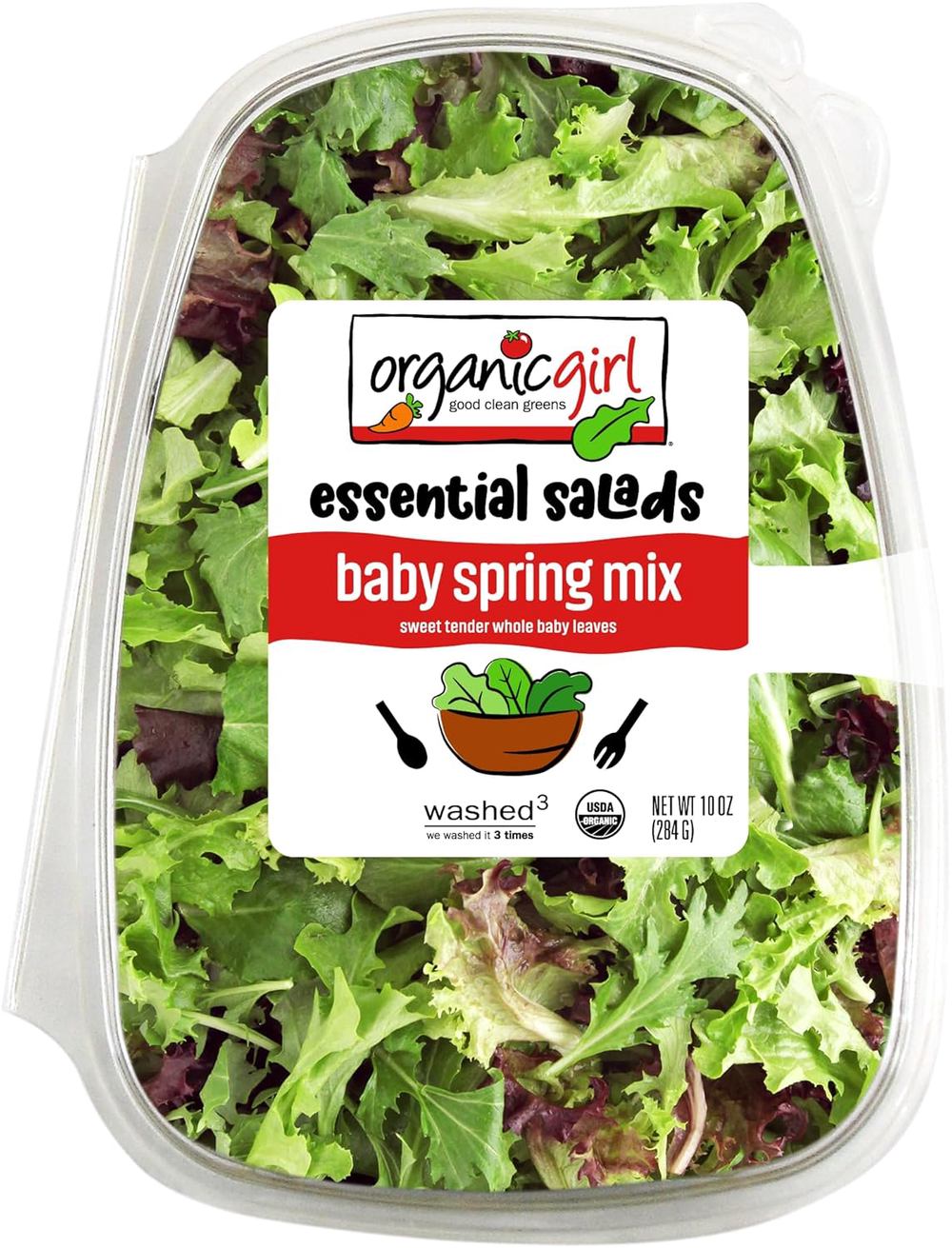
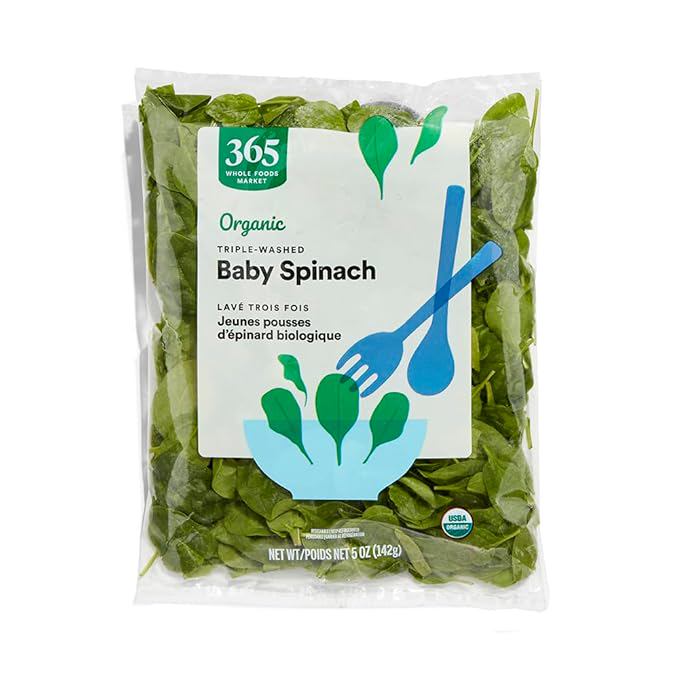
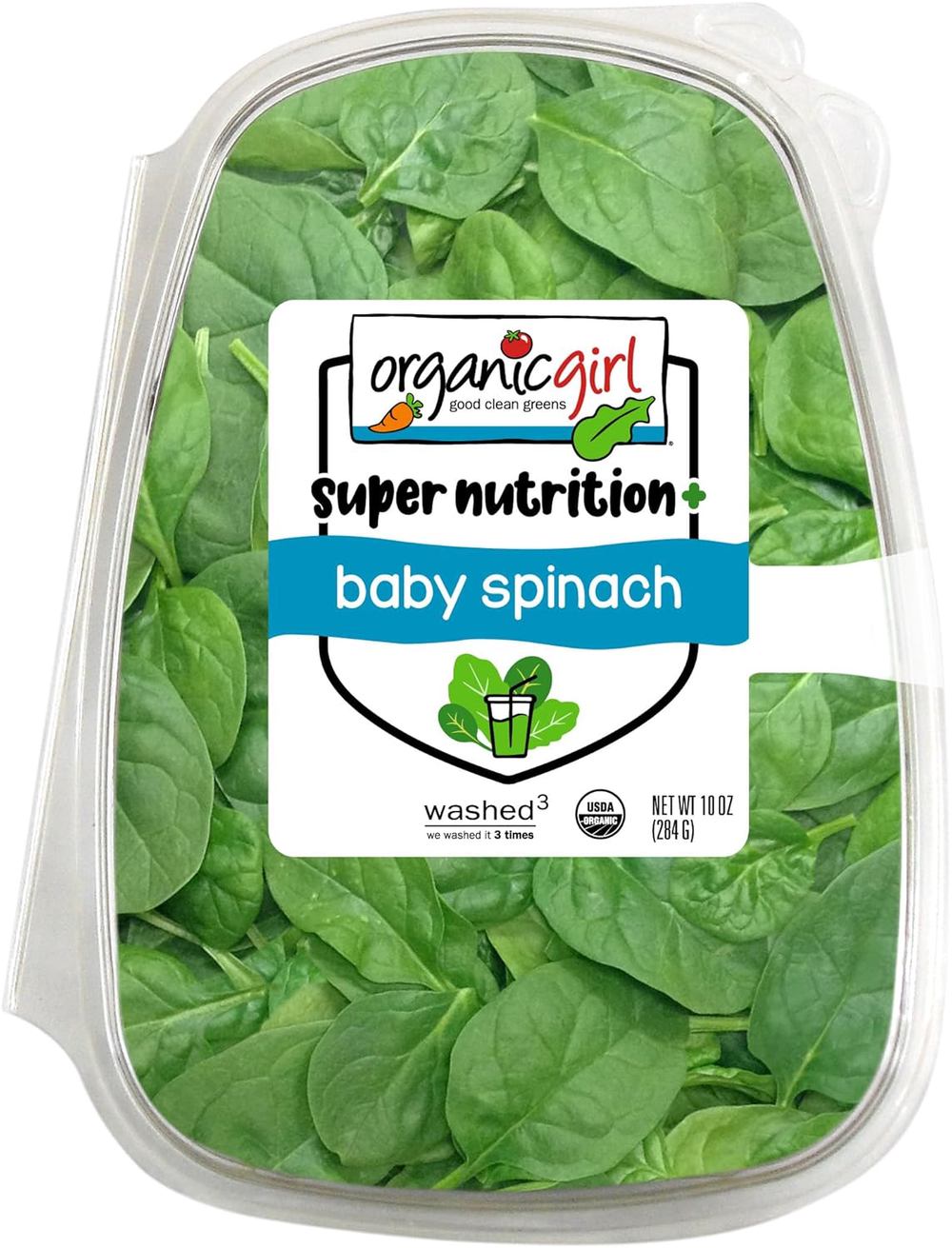
Spinach, kale, collards, and Swiss chard are well-known sources of iron, calcium, and folate. Postpartum, iron is critical for replacing what was lost during delivery and for preventing the crushing fatigue that often accompanies low ferritin levels. Calcium supports bone health and, if you're lactating, keeps your stores stable while your baby gets what they need through breast milk.
How to make them family-friendly: Sauté a large batch of greens with garlic and olive oil and serve alongside eggs (for you) or mix them into scrambled eggs for the whole family. Frozen spinach is just as nutritious as fresh and requires zero chopping.
2. Wild salmon or sustainable fatty fish
Salmon and other oily fish (sardines, mackerel, trout) are the best dietary sources of omega-3 fatty acids, particularly DHA. DHA is essential for your baby's developing brain and nervous system, and it supports your own mood and cognitive function during a time when the “baby blues” can feel overwhelming. Omega-3s also fight inflammation, which can help with healing after a C-section or perineal tears.
How to keep it simple: A single baked salmon fillet can be flaked over a salad for you, mixed into pasta for kids, or tucked into a whole-grain tortilla for a quick lunch. Canned wild salmon (look for BPA-free cans with bones for extra calcium) is a low-effort staple.
3. Eggs
Eggs are one of the most complete protein sources available, and they're rich in choline—a nutrient that supports your baby's brain development and helps prevent neural tube defects when consumed during pregnancy and early postpartum. They also contain vitamin D and B12, both of which influence energy levels and mood.
Easy everyday use: Hard-boil a dozen at the start of the week for grab-and-go snacks. Scrambled eggs with cheese and chopped greens make a quick breakfast that satisfies both a nursing mama and a toddler.
4. Whole grains
Oats, brown rice, quinoa, and whole-wheat pasta provide steady-release carbohydrates—the kind that don't spike blood sugar and crash later. Quinoa is particularly valuable because it contains all nine essential amino acids, making it a complete protein that supports tissue repair. Oats are also associated with supporting milk supply in some lactating women, possibly due to their beta-glucan content and iron.
Family integration: Start the day with a bowl of oatmeal topped with berries and a spoonful of nut butter. For lunch or dinner, swap white rice for quinoa or farro—both cook in about 15 minutes and pair well with roasted vegetables or a simple protein.
5. Legumes
Lentils, chickpeas, black beans, and kidney beans are high in fiber, folate, and iron—all of which help combat postpartum constipation and rebuild blood volume. They're also very affordable and keep well in the pantry. The fiber stabilizes blood sugar and digestion, and the protein aids in continuous tissue repair.
Quick preparation: Canned lentils or beans (rinsed) can be tossed into soups, salads, or grain bowls in minutes. Red lentils cook in under 20 minutes and puree easily into kid-friendly soups or dals.
Practical postpartum meal ideas combining these foods
You don't need to eat each of these foods in isolation. A single meal can combine several: a grain bowl with quinoa, roasted salmon, sautéed kale, and a poached egg delivers four of the five categories in one bowl. Lentil soup with a side of whole-grain toast hits legumes and whole grains. A breakfast of scrambled eggs with spinach and a side of oatmeal covers greens, eggs, and oats.
The pattern here is not about restriction—it's about choosing foods that nourish your recovery while being versatile enough to feed a hungry partner or a picky older child. Keep your pantry stocked with frozen greens, canned salmon or tuna, eggs, quick-cooking grains, and canned or dried legumes. When your energy is low, you can still pull together a nourishing plate in 10 minutes.
A calm, nourishing approach to food during the postpartum period can reduce the risk of burnout and support both physical recovery and family wellbeing.
What falls outside this topic
This article does not cover supplements, specific diets for medical conditions such as gestational diabetes, or feeding recommendations for premature or low-birth-weight infants. Individual needs vary—working with a registered dietitian or healthcare provider can help tailor these suggestions to your specific postpartum recovery.