

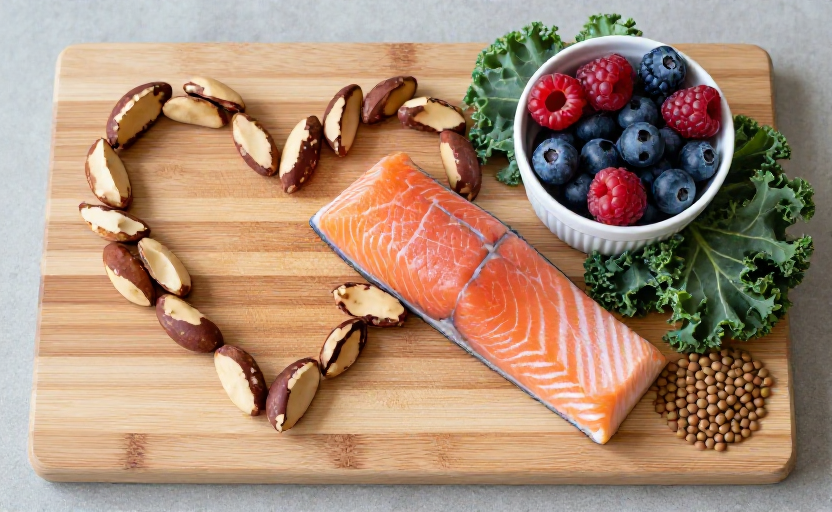
When your thyroid is out of balance, the number on the scale can shift in ways that feel confusing and frustrating. Whether you're dealing with hypothyroidism or hyperthyroidism, body weight and body composition often change in response to hormone fluctuations. It's tempting to jump into restrictive diets, but that can backfire—especially when your thyroid needs consistent nourishment. Instead of drastic measures, a focused, food-first approach can help you manage weight changes safely while supporting overall thyroid function.
The foods you eat won't replace medical treatment, but they can work alongside it. The goal is to stabilize metabolism, reduce inflammation, and provide the nutrients your thyroid needs to produce and regulate hormones effectively. Below are five specific foods that research and clinical experience suggest are especially helpful for navigating thyroid-related weight changes. No magic bullets, just real food you can add to your plate today.
Why Nutrient Density Matters More Than Calorie Counting
For thyroid conditions, weight management isn't just about energy balance; it's about metabolic efficiency. A sluggish thyroid can lower your resting metabolic rate, making it easier to gain weight even when you're eating what used to be a maintenance amount. On the flip side, an overactive thyroid can accelerate metabolism so much that you lose weight despite eating more. In both scenarios, the nutrients you provide your body determine how well your system can adapt.
Selenium, zinc, iodine, and B vitamins are critical for thyroid hormone synthesis and conversion. If your diet lacks these, your thyroid struggles no matter how many calories you consume. The five foods below are chosen because they deliver high concentrations of these key nutrients in forms that are easy for your body to use.
1. Brazil Nuts: A Small but Mighty Source of Selenium
Selenium is arguably the most important mineral for thyroid health. It's required for the enzymes that convert the inactive thyroid hormone T4 into the active form T3, and it also protects the thyroid gland from oxidative stress. Just one or two Brazil nuts per day can meet your selenium needs—eating more than that can push you into toxic territory.
Selenium supplementation studies show that adequate intake can reduce thyroid antibodies in people with autoimmune thyroiditis (Hashimoto's), which is the most common cause of hypothyroidism. For weight management, getting enough selenium helps your metabolism run more efficiently, which can prevent the kind of stubborn weight gain that comes from poor hormone conversion.
How to add them: Keep a small jar of shelled Brazil nuts in your pantry. Eat one or two as a midday snack, or chop them over oatmeal or a salad. Avoid going overboard—just three or four nuts provide 100% of your daily value.
2. Fatty Fish: Omega-3s and Vitamin D for Inflammation Control
Chronic low-grade inflammation is a hallmark of autoimmune thyroid disease. When your immune system is constantly attacking your thyroid gland, it creates a cycle of damage, altered hormone output, and metabolic disruption. Fatty fish—like salmon, mackerel, sardines, and anchovies—provide long-chain omega-3 fatty acids (EPA and DHA) that directly reduce inflammation at the cellular level.
Beyond inflammation, many people with thyroid conditions have suboptimal vitamin D levels, and vitamin D deficiency is linked to higher thyroid antibody levels. Fatty fish is one of the few natural food sources of vitamin D, making it a two-in-one powerhouse for thyroid support. For weight changes, lower inflammation can improve insulin sensitivity and reduce fluid retention, both of which influence how the scale reads.
How to add them: Aim for two servings of fatty fish per week. Canned sardines or salmon on a salad make an easy lunch. If you don't eat fish, talk to your healthcare provider about an algae-based omega-3 supplement.
3. Dark Leafy Greens: Magnesium and B Vitamins for Energy Metabolism
Spinach, kale, Swiss chard, and collard greens are dense in magnesium, a mineral that many people with thyroid conditions are low in. Magnesium is necessary for the proper function of the enzymes that produce thyroid hormone, and it also helps regulate the stress response. Since stress hormones like cortisol can interfere with thyroid function, anything that supports a calm nervous system is beneficial.
Dark leafy greens also supply B vitamins, particularly folate and riboflavin, which are involved in energy production. For someone managing hypothyroid-related fatigue and weight gain, raising cellular energy levels can subtly but meaningfully improve your motivation to move and your body's ability to burn calories at rest.
How to add them: Throw a handful of spinach into a smoothie, sauté kale with garlic as a side dish, or use Swiss chard as a wrap instead of tortillas. Cooking greens reduces their volume and makes it easier to eat generous portions.
4. Legumes: Slow-Burning Carbohydrates for Stable Blood Sugar
Weight changes with thyroid problems are often compounded by blood sugar dysregulation. Hypothyroidism slows the clearance of glucose from the bloodstream, which can lead to higher insulin levels and promote fat storage. Legumes—lentils, chickpeas, black beans, kidney beans—provide a combination of fiber and protein that blunts blood sugar spikes after meals.
Unlike refined carbohydrates that send your blood sugar on a roller coaster, the complex carbs in legumes digest slowly, providing steady energy without taxing your pancreas. This is especially important if you're trying to lose weight with a sluggish thyroid, because stable blood sugar means fewer cravings and less fat storage. Legumes also contain zinc and iron, two minerals that are essential for thyroid hormone synthesis.
How to add them: Add lentils to soups or stews, toss chickpeas into a grain bowl, or make a simple black bean salad with lime and cilantro. If you're not used to legumes, introduce them gradually to avoid digestive upset.
5. Berries: Antioxidants That Support Cellular Health
The thyroid gland has one of the highest oxygen consumption rates of any tissue in the body, which means it's constantly producing reactive oxygen species (free radicals). Over time, oxidative stress can damage thyroid cells and worsen autoimmune activity. Berries—blueberries, strawberries, blackberries, raspberries—are among the most concentrated sources of antioxidants like vitamin C and anthocyanins.
While no single food can reverse thyroid disease, lowering oxidative stress helps your gland function more efficiently. For weight management, this matters because a less stressed thyroid is better able to maintain a normal metabolic rate. Berries are also naturally low in calories and high in water content, which means they can satisfy a sweet craving without spiking blood sugar or adding many calories to your daily total.
How to add them: Fresh or frozen berries work equally well. Add them to yogurt, oatmeal, or a simple bowl with nuts and seeds. Frozen berries are often more affordable and retain their nutrient value.
A Practical Day of Thyroid-Supportive Eating
Putting these foods together doesn't have to be complicated. A sample day might look like this: breakfast—oatmeal topped with blueberries and chopped Brazil nuts; lunch—big salad with spinach, grilled salmon, and chickpeas; dinner—lentil soup with a side of sautéed kale. Adjust portions based on your hunger and your weight goals, but keep the core nutrients coming. Remember, consistency matters more than perfection. If you fall off one day, just return to these foods the next meal.
Work with your healthcare team to monitor your thyroid labs and adjust your treatment as needed. Diet is a powerful support, but it does not replace medication or medical supervision. With the right foods and a steady routine, you can give your body what it needs to manage weight changes safely and sustainably.








